
The Evolution of Cosmetic Manufacturing
How Innovation is Shaping the Beauty Industry

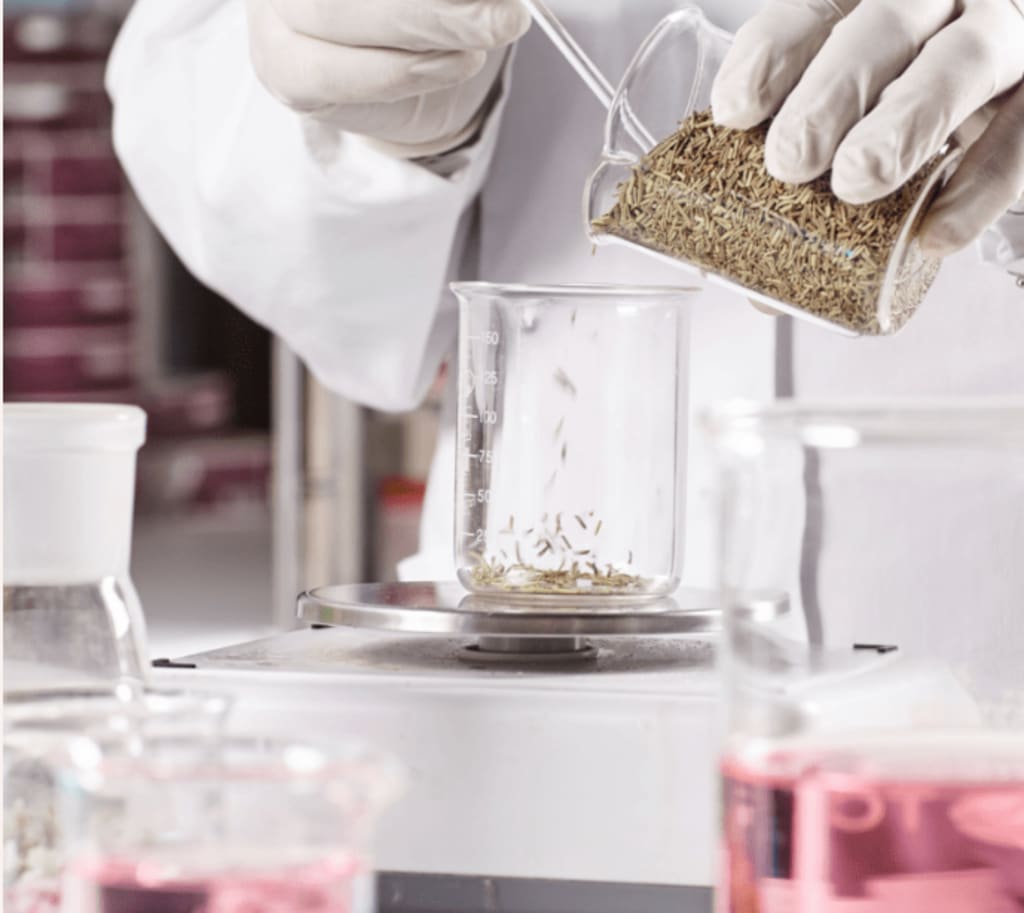
The beauty industry is a dynamic and ever-evolving space, with new trends and advancements continuously reshaping the way cosmetics are produced. At the heart of this transformation is the cosmetic manufacturing company, an essential force driving innovation, sustainability, and quality in the industry. From formulation to packaging, these companies play a crucial role in bringing beauty products to consumers worldwide.
The Role of a Cosmetic Manufacturing Company
A cosmetic manufacturing company is responsible for transforming raw materials into the beauty products we use daily. This includes everything from skincare and haircare to makeup and personal care products. These manufacturers work with brands — ranging from global giants to emerging startups — to develop, produce, and package products that meet consumer demands.
Beyond simple production, manufacturers are deeply involved in research and development (R&D), ensuring that products are both safe and effective. They navigate complex regulations, maintain quality control, and often provide customization services to meet the specific needs of different brands.
The Science Behind Cosmetic Manufacturing
Cosmetic manufacturing is a blend of art and science, requiring expertise in chemistry, biology, and dermatology. Each product begins with a formulation, carefully designed to include ingredients that provide the desired benefits while ensuring skin safety.
Ingredient Selection: The foundation of any cosmetic product lies in its ingredients. Manufacturers must source high-quality raw materials, whether they are naturally derived, lab-created, or organic-certified.
Product Development: After selecting the ingredients, chemists and product developers experiment with different formulations, testing for texture, stability, and efficacy. This stage often involves multiple iterations to achieve the perfect balance.
Testing and Compliance: Before any product reaches the market, it must undergo rigorous testing. This includes stability tests, microbial safety tests, and dermatological trials to ensure the product is safe for use.
Cosmetic manufacturers must also comply with international regulatory bodies such as the FDA (U.S.), the European Medicines Agency (EU), and other local authorities. These regulations help maintain product safety, ensuring that harmful substances are not included in formulations.
The Shift Towards Clean and Sustainable Manufacturing
In recent years, consumer preferences have shifted dramatically toward clean beauty and sustainable practices. This has pushed cosmetic manufacturers to adopt greener alternatives, both in their formulations and in production methods.
Eco-Friendly Ingredients: Consumers today are more conscious of what goes into their beauty products. As a result, manufacturers are incorporating plant-based, cruelty-free, and non-toxic ingredients.
Sustainable Packaging: Many companies are moving away from single-use plastics, opting for biodegradable, recyclable, or refillable packaging solutions.
Ethical Manufacturing Practices: Transparency in sourcing, fair trade ingredients, and cruelty-free testing have become standard expectations in the industry.
By prioritizing sustainability, cosmetic manufacturing companies are not only meeting consumer demand but also contributing to environmental conservation.
Trends Driving Innovation in Cosmetic Manufacturing
The beauty industry thrives on innovation, and cosmetic manufacturers are constantly exploring new technologies to enhance product performance and consumer experience. Some of the most exciting trends include:
Personalized Skincare: AI and biotechnology are making it possible to create customized skincare products based on individual skin types, concerns, and even genetic factors.
Waterless Beauty: With sustainability in mind, many brands are turning to waterless formulations, such as powder cleansers and solid shampoos, which reduce water consumption and extend product shelf life.
Biodegradable Ingredients: Ingredients such as algae-based actives, fermented botanicals, and probiotic skincare are gaining popularity for their efficacy and environmental benefits.
Smart Packaging: Advances in packaging technology now include refillable systems, compostable materials, and even interactive packaging that provides consumers with real-time product information via QR codes.
Challenges in Cosmetic Manufacturing
While innovation is driving growth, cosmetic manufacturing also faces challenges. Supply chain disruptions, regulatory complexities, and the increasing cost of raw materials can impact production timelines and costs. Additionally, with the rise of indie beauty brands, manufacturers must remain adaptable and flexible to cater to smaller, customized batches rather than just large-scale production.
The Future of Cosmetic Manufacturing
Looking ahead, the cosmetic manufacturing industry will continue evolving, driven by advancements in science, technology, and sustainability. As consumers demand more transparency, cleaner formulations, and innovative beauty solutions, manufacturers will need to stay at the forefront of research and development.
From ethical sourcing to AI-powered skincare, the future of beauty is not just about aesthetics — it’s about innovation, responsibility, and creating products that enhance well-being while respecting the planet. As cosmetic manufacturing companies adapt to these changes, they are not just shaping the beauty industry; they are defining its future.
About the Creator
Enjoyed the story? Support the Creator.
Subscribe for free to receive all their stories in your feed.
Comments
There are no comments for this story
Be the first to respond and start the conversation.