
The Charm of a Troubled Protagonist
Why Your Main Character Shouldn't be Perfect


So, you're a writer. You sit down at the computer/typewriter/notebook/easel and prepare to spill your innards onto the page in all their visceral glory. You have a character in mind who you want to follow through the remnants of your gooey entrails. They're a strong, powerful, sure-handed character that will guide you and your readers through the blood, the puke, and the phlegm that is your story. They surmount every challenge, they defeat the enemy, they conquer the world. You finger paint 'the end' amongst your remains and the story is done. Complete. Ready to take on the world. But... is it? How easily did they overcome those odds, did the villain put up a good fight, were the readers ever in doubt of the final outcome of your character's ultimate victory? No? And so what, right? A story is a story. A character is a character. It's alright. Right?
Well, not really. Stories, as life, are filled with challenges and obstacles. Things that our protagonist/ main characters have to overcome in order to reach the finale. Ultimately, things should just get worse and worse and worse for our protagonist until they have no choice but to make a change, push away from their former life, and become something different. Something more. Now, how is this possible with a character that is already perfect? A perfect character can't really be challenged, they can't be stumped by obstacles, and worst of all, they can't change. Why would they? They are perfect after all.
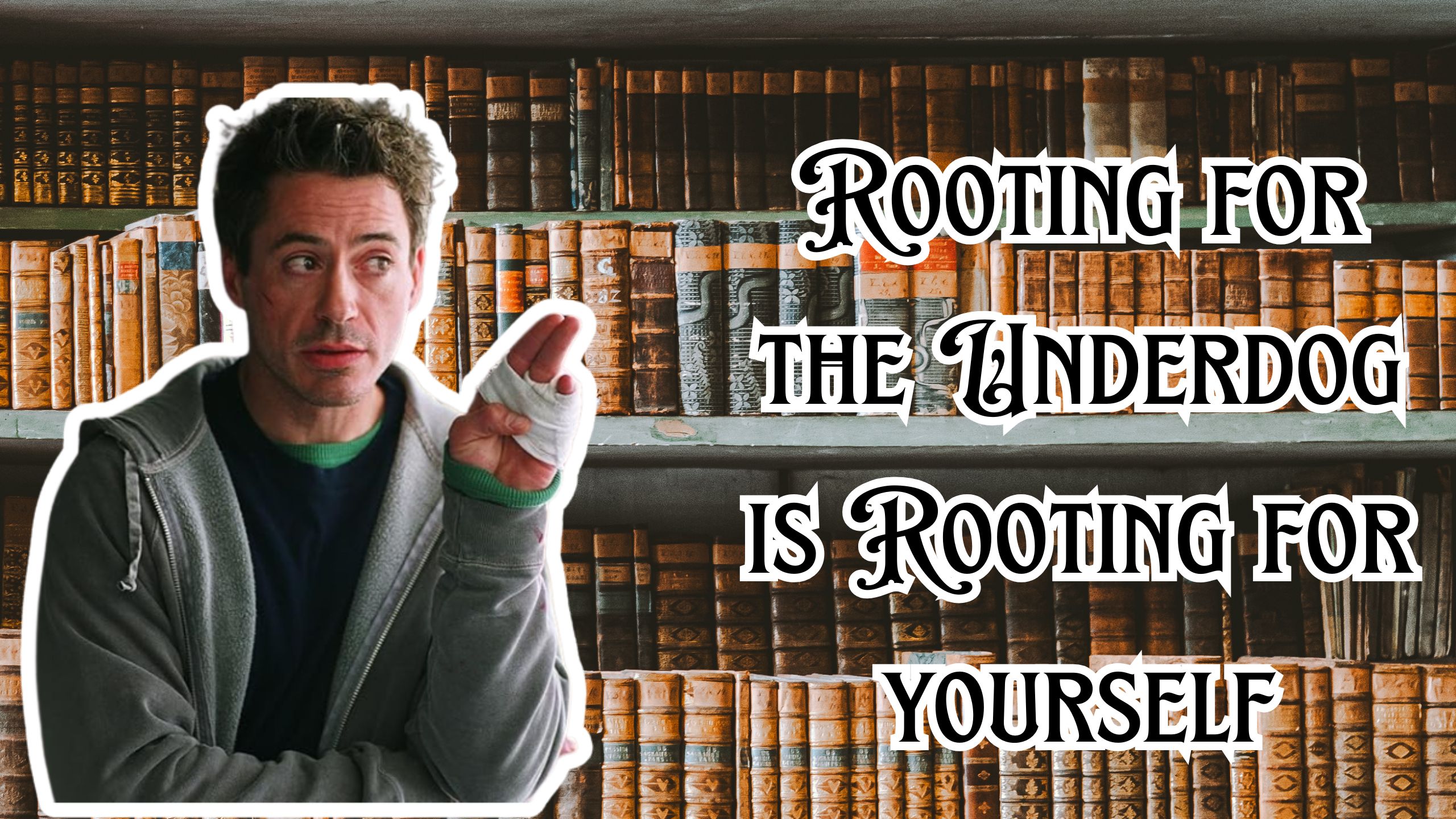
So, what happens when we replace that perfect protagonist with the poor schlub? We may find it relatable in a way that connects us to the character. We can imagine ourselves stuck in the challenges and obstacles from the story and in doing so, we root for the poor sap because, in a way, that sap is us.
A perfect character is hard to lose yourself in. Sure, it is great when the predictable good guy wins in the story, but does it really provide the same satisfaction of seeing someone we relate to overcome something that seems impossible? No, it doesn’t. Indiana Jones might be a strange pick for this, as he is a pretty heroic figure, but he isn’t perfect, he’s far from it.
Does he have romantic conquests? Yes. Are they as simple as swinging in on his whip and getting the lady? No. Unlike James Bond, his natural wit and charm doesn’t always do it for him. Marion nearly kills him in Raiders, Willie Scott only latches on to him because he is the only safe place she has, and Dr. Elsa Schneider is a Nazi that wants to kill him. "No time for love, Dr. Jones," indeed.
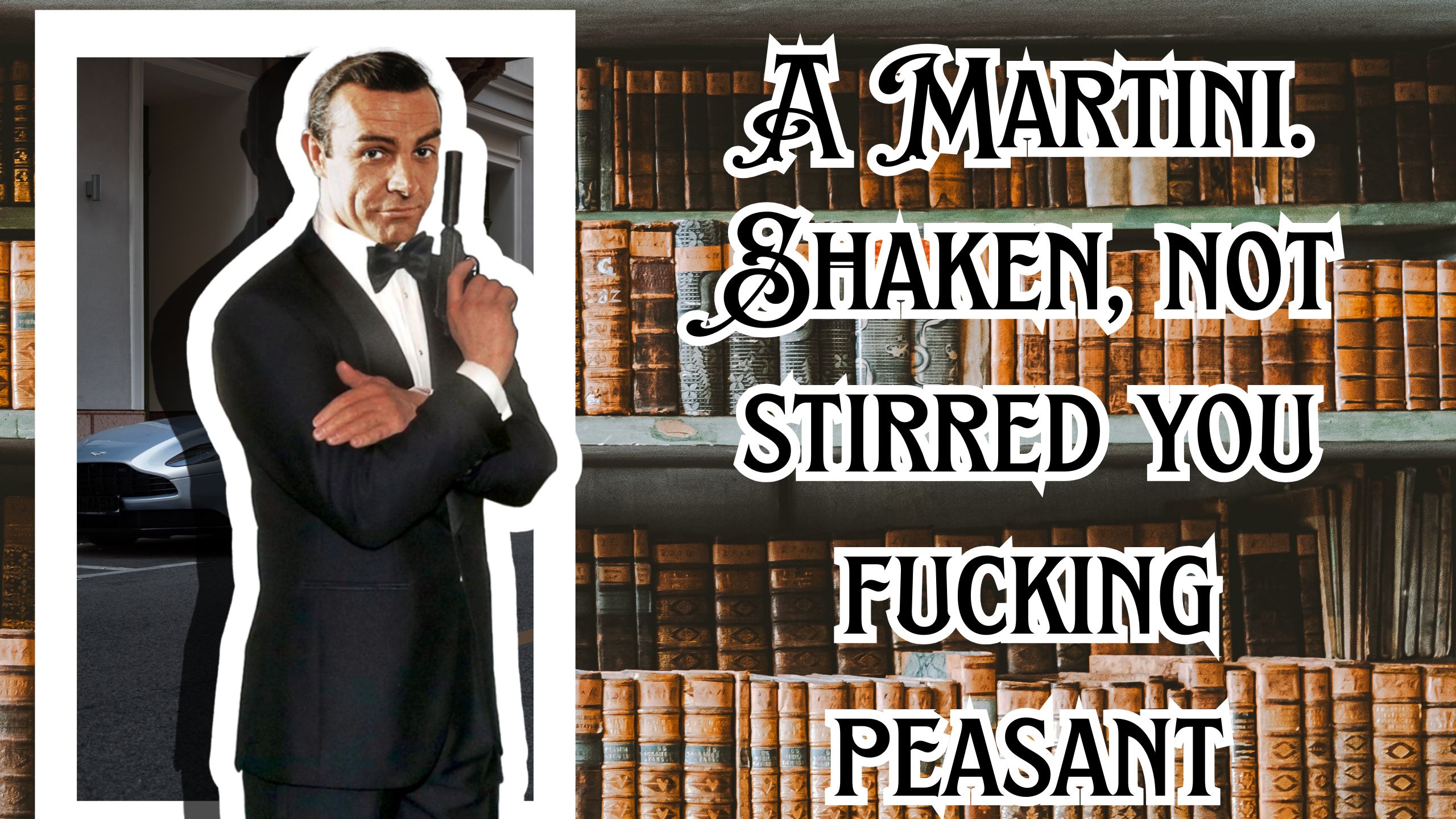
Is he the smartest guy in the room? Sometimes. Is he always winning games of mental chess? No. He gets outmanoeuvred from time to time. That’s when his fists come in handy. At the beginning of Raiders of the Lost Ark, he is outwitted by Belloq, he is compelled to work with Mola Rom in Temple of Doom, and both Dr. Schneider and Donovon have him fooled for a good chunk of Crusade.
Does Jones kick ass? He sure does. Is it easy for him? Nope. Though we may know that he is going to win in the end, he often gets pretty beat-up along the way. In Raiders of the Lost Ark, he nearly gets beaten to death by a Nazi airman. Jones fights dirty and gets lucky thanks to a well placed air plane propeller. This happens to him in Temple as well, the large henchman really lays it into him, but he again gets lucky and uses his brain to overcome the brute.
Indiana Jones is smart, courageous, he wins the hand of the love interest, and he saves the day, but he is not perfect. He fights for every inch of his success, just like us.
When you look at the perfect character: the person who is the smartest, the strongest, the best lover, the best fighter it does tend to inspire, but it also might give you a complex. Try comparing yourself to a perfect person. Go ahead. How do you stack up against Captain America? Conan the Barbarian? Can you aspire to be people like that? Sure, but being them in real-life is impossible. In one of Robert E. Howard's original Conan stories, Shadows in Zamboula, he fights a professional strangler. This man, Baal-Pteor, has been trained by priests to strangle people since he was a child. He was Mr. Strangle, if you will. When he meets up with Conan, he wraps his hands around the Cimmerian's neck and is surprised when Conan smiles at him and beats him at his own game. He tested himself again Conan and lost. Why? Because Conan is the best at EVERYTHING! Similarly, Captain America is the pinnacle of moral virtue. He draws a line in the sand and if you walk over it, you’re the wrong one. Captain America is ALWAYS right, ALWAYS on the good side. Ever have someone in your life who thought they knew everything? Was that person Captain America or some dweeb with greasy hair, bad posture, and cokebottle glasses?
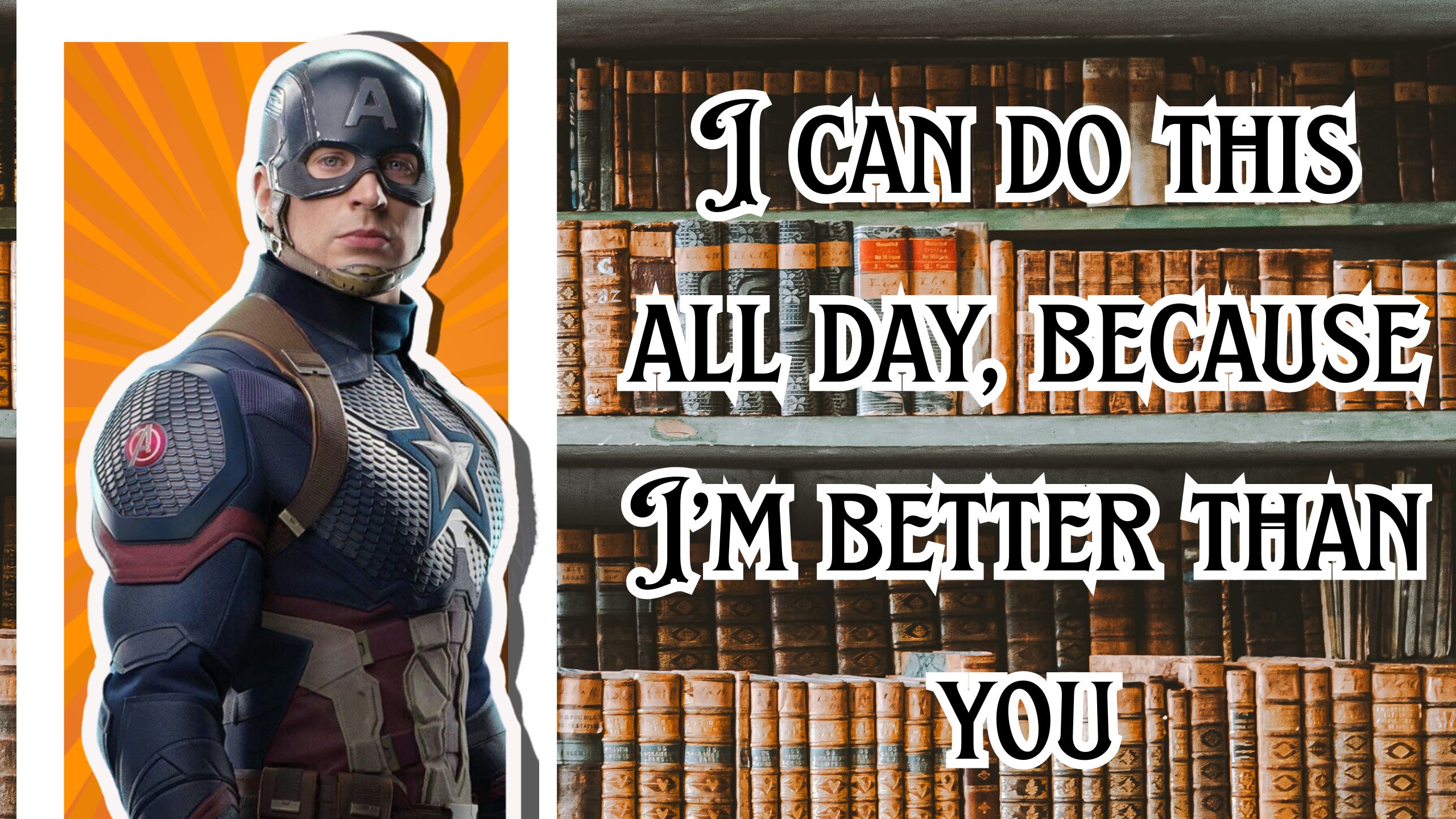
When faced with these characters, while the stories may be entertaining, they often don’t show any real growth. They never change because they are always the best. Perfection doesn’t need to change. Is it inspiring? Sometimes. And it can be a simple fantasy we have, hell all of us deserve something to look forward to in this eternal hellscape. But is it really what we are looking for? Is it a satisfying ending?
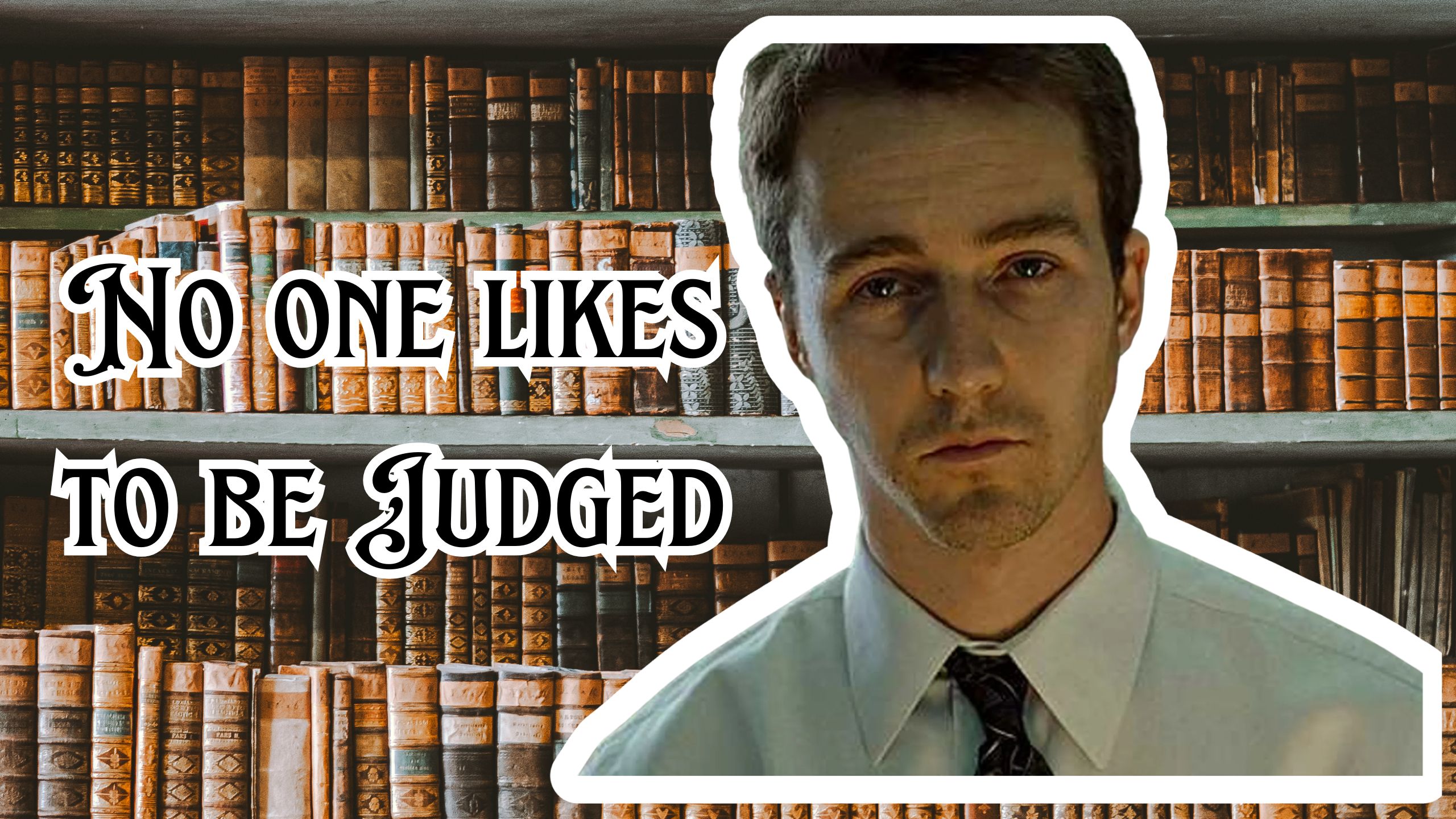
On the flipside of that, let's look at our troubled, imperfect protags. Where Captain America doesn't change (because he doesn't have to) these guys change fundamentally. In Fight Club the narrator is suffering from insomnia, he is a slave to the corporate machine, and he loves having “things”. By the end he is an anarchist who rejects societal norms (Tyler Durden is a part of the narrator remember). Robert Downey Jr. (Kiss Kiss Bang Bang) plays Harry Lockhart, a pathetic loser who gets his partner killed trying to steal from a toy store at Christmas. By the end of the movie he is a hero, a saviour, and a great friend. In both of these examples, there is a clear difference in the character from the beginning of the story and the character at the end of the story.
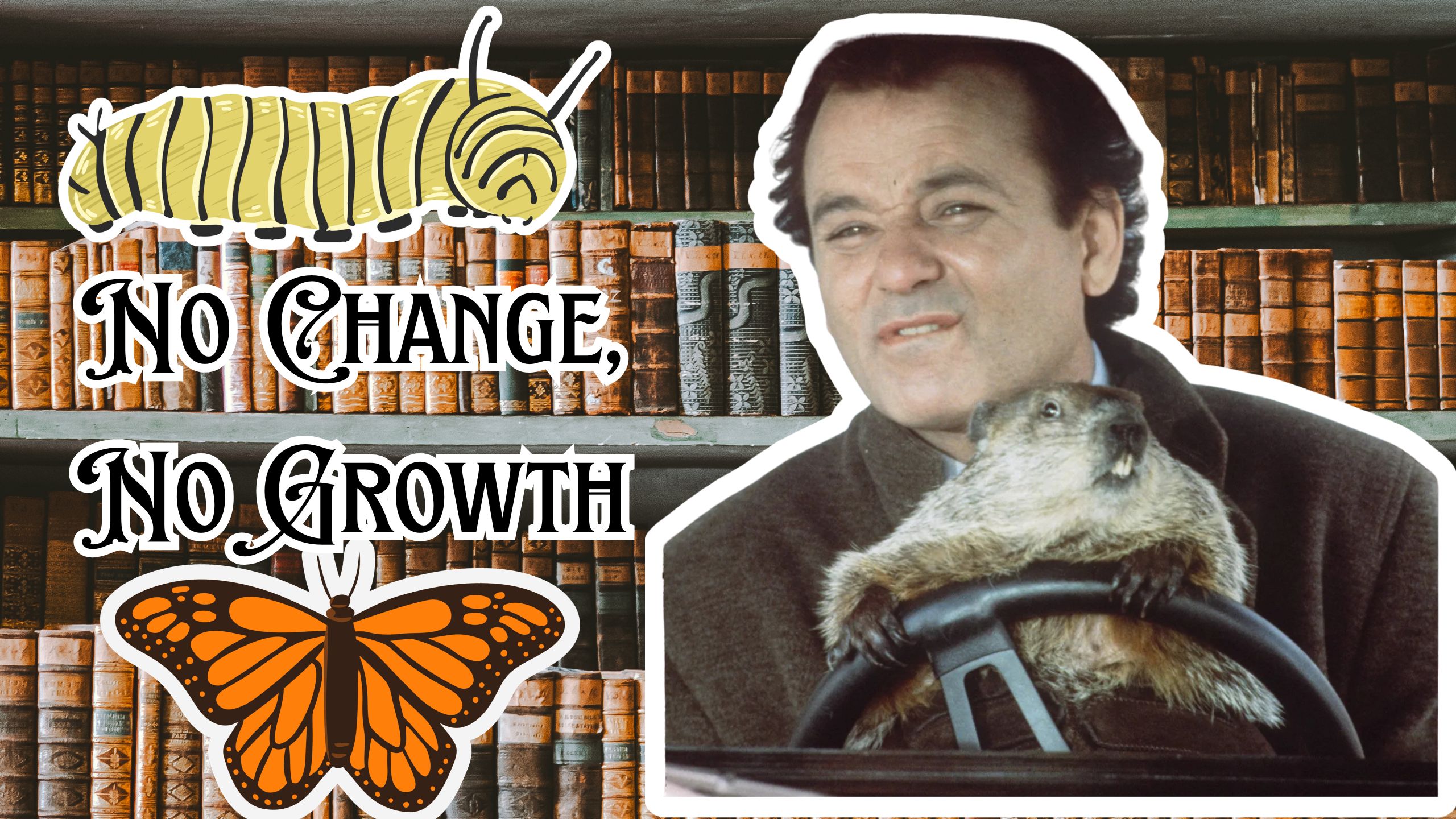
A story is best when there is a goal in place. Sometimes an external goal is all that is needed, but a good story sees an internal goal being met. I've mentioned Fight Club and Kiss, Kiss, Bang, Bang and how the protagonists are faced with obstacles that fundamentally changed them into different people by the end of their stories. Perhaps we should dig a little deeper.
Let’s take an example from a movie and a book. In the movie, Groundhog Day, Bill Murray is the protagonist, Phil, a cynical TV weatherman who’s poor outlook on his work and his high opinion of himself sets him down a road of self discovery, self betterment, and a change for the better. Phil is a bit of a shithead at the beginning of the movie, but that’s okay. If he wasn’t, there would be no daily rerun, there would be no self betterment or discovery. In essence, there wouldn’t be a story. At least not a good one, unless you consider a day in the life of a regular nice guy who gets up in the morning, does his job, and everyone is happy a good story.
In the book Silent City by Alex Segura, our protagonist is Pete Fernandez, an alcoholic newspaper man doing the sports beat on the much maligned night shift. Pete is not good at his job, he is not good with his friends, and he isn’t a great guy. By the end of the book, after going through a series of challenges, he is a better friend, a recovering alcoholic, and has found something to do with his life. If he was perfect from the getgo, there would be no growth, no development, because the challenges wouldn’t be there to face him. He’d just be another joe schmo going to work everyday and doing the best that he could.
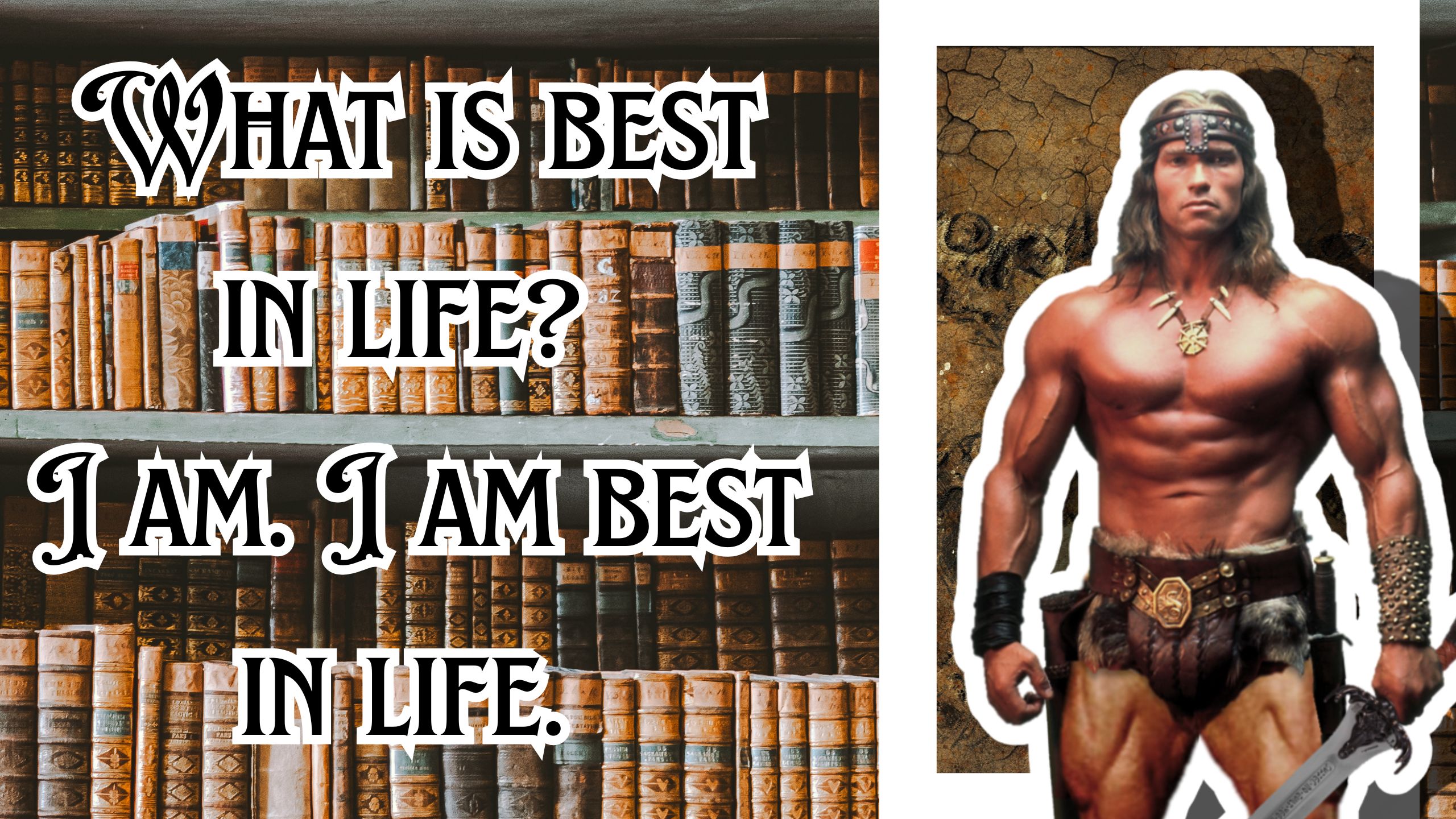
What I've called "perfect characters" are also called flat characters and they live in flat stories where you may attempt to build a story on them, but there is nothing for the story to latch on to. Perfect characters are too smooth, the story will just slip right off. You know who you can latch on to in those stories? The sidekicks, the secondary characters, those imperfect, bumbling fools that attempt to muck it through as an imperfect person in a perfect person's world. In a lot of these flat stories you will notice these people the most because they are the people that the stories can find purchase on. Theme, motifs, meaning all happen in flat stories, because of these non-perfect cretins. So, if that is the case, why not just remove the big lummox that can do no wrong and let the little guy have a turn?
What made some of Robert E. Howard's original Conan stories so iconic was not the stories from Conan's POV (though those were great too), but from those stories where other's witness Conan's deeds. In Beyond the Black River, we see Conan's larger than life perfection from the eyes of Balthus, a young settler. Balthus not only witnesses Conan's awesomeness, but he also has a character arc during the story as Conan cannot. Balthus goes from a settler to a scout, from a scout to a forewarner, from a forewarner to a warrior, and finally from a warrior to a saviour. He is beset with troubles and harships in his short literary life, but he makes two good friends (Conan and a feral dog they name Slasher), grows, and changes. Was he perfect? Nope. Not at the beginning or the end (to be fair to Balthus, who is when they are in the presence of Conan?). Not perfect, but a good character.
Stories, all stories, are great. Whether you have the 'perfect' character leading the charge or a normal person struggling to make it to the end, you can enrich the universe with your story. However, it is my humble suggestion that we look to the imperfect, play with the mediocre, and delve into the ordinary. You never know, it might make the perfect story.
About the Creator
Jon Dobbin
Enjoyed the story? Support the Creator.
Subscribe for free to receive all their stories in your feed.
Comments
There are no comments for this story
Be the first to respond and start the conversation.