
The Author Who Never Believed She Was One
The Posthumous Author- Challenge Entry


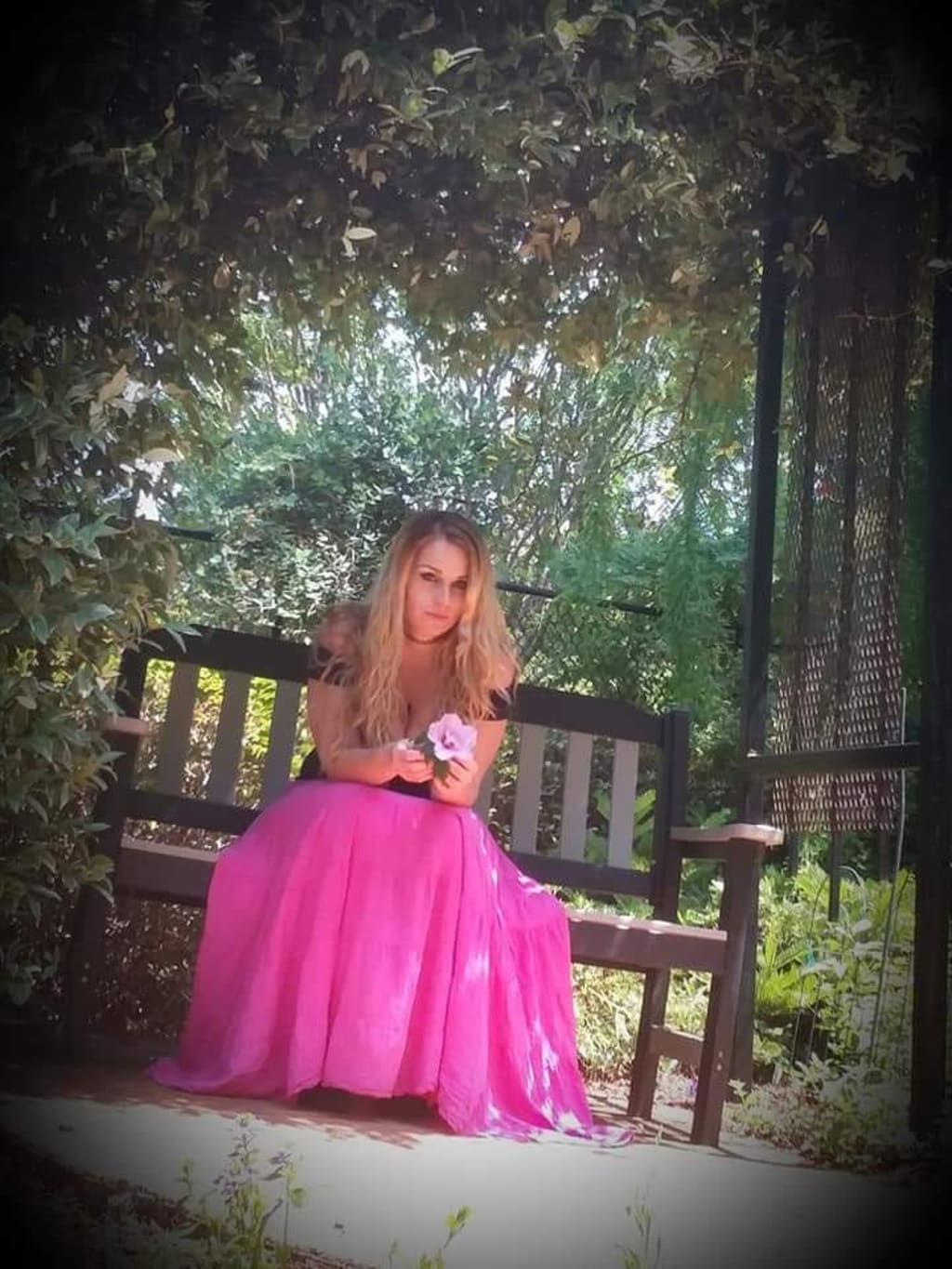
When Sara Wilson died, the literary world reacted with the kind of reverence usually reserved for writers who knew that were important. Wilson never did. In life, she spoke of her work with sarcasm and deflection. She described herself as "someone who only writes because she can't shut up." Her family once described her as "creative, but unrealistic."
Her father, who agreed reluctantly to be interviewed for this profile, had this to say.
"Sara was always wasting her time on stories," he said, waving his hand in the air as if trying to swat away a fly. "She could have made real money if she had done something practical, like accounting or dispatching. I told her that all the time. This writing thing shouldn't be what people remember."
He grew irritated when asked whether he ever told her he was proud of her work. He stood and claimed the interview was going in the wrong direction before walking out.
It seems he doesn't realize how much it meant to her, or to everyone else.
It is only now that critics have begun to call her one of the most quietly significant voices of her generation. The irony is almost cruel.
Wilson's private journals, which were found in box under her bed, paint a portrait vastly different from the confident literary figure she is now imagined to be. Page after page reveal a woman convinced she was failing at everything: motherhood, marriage, writing, being a daughter, being a sister, being enough.
"I don't think I matter to anyone," one entry reads. "I write because it's the only place I feel like I'm not in the way."
Critics have seized on these lines and are now quoting them in articles and documentaries. Some are treating them as tragic evidence of a misunderstood genius while others frame them as the emotional foundation of her work. Some believe that her self doubt was her greatest artistic asset.
In the months following her death, Wilson's sisters gave interviews filled with belated admiration. They spoke of her "unique and creative mind," and her "beautiful heart." They reminisced about the stories she'd been writing since childhood and about her drawings and poems. But her journals tell a different story.
Critics have noted the tension between the family's public praise and the private despair Wilson recorded in her journals. Some argue that her relatives simply didn't understand or care about her until her work gained attention. Others suggest that grief rewrites memory, which smooths out all of the rough edges. Friends of Wilson claim that her family's newfound admiration is performative. Whatever the truth, it's clear that Wilson never felt celebrated among them.
Wilson published several books in her lifetime, though she often criticized them as "messy." She spoke of her writing as if it were just a bad habit she couldn't break. Yet, the work itself is raw and intimate and unfiltered. It has resonated deeply with readers who can feel the ache beneath her lines.
Critics now praise her for her emotional precision and unvarnished honesty. They have written long analyses of her themes of self erasure, generational wounds, and the exhaustion of being misunderstood. Wilson never saw herself as a literary figure. She just saw herself as someone trying not to drown.
Death seems to have a way of making people feel larger than life. In Wilson's case, it just made her visible. Some journal pages are now framed in the hallways of her family's house, a home where not even a single childhood photo ever hung on the wall.
Critics continue to argue over the meaning of Wilson's self-deprecation. Some claim it was a stylistic choice while others insist she was intentionally downplaying her talent to avoid attention. A journal entry we found seems to be the best and most simple explanation, a single line written in a private book never meant for eyes other than Wilson's herself, "I don't think I'm good at anything. I just try really hard."
That line has become the centerpiece of Sara Wilson's legacy. Fans, old and new, quote it constantly and merchandise has been made show casing this one simple sentence. It has become her signature. A woman who never believed she was enough, and therefore created work that spoke to everyone who felt the same.
Today, Wilson's poetry is studied and memorized. Her name appears in conversations about emotional literature and trauma narratives. She is being praised for her authenticity, her vulnerability, and her refusal to polish her pain into something pretty.
In truth, Sara Wilson was a woman who never believed she was remarkable or wanted anywhere in the world, but especially among her own family. She never felt like they ever saw her, but in death, they finally do.
About the Creator
Sara Wilson
I love Ugly Things.
I try and be active AND interactive.
I write... whatever I feel.
Sometimes it's happy.. sometimes it isn't. But it's real. And it's me.
Enjoyed the story? Support the Creator.
Subscribe for free to receive all their stories in your feed. You could also become a paid subscriber, letting them know you appreciate their work.
Comments
There are no comments for this story
Be the first to respond and start the conversation.