
The Art of Baby Care Product Manufacturing
Ensuring Safety and Quality

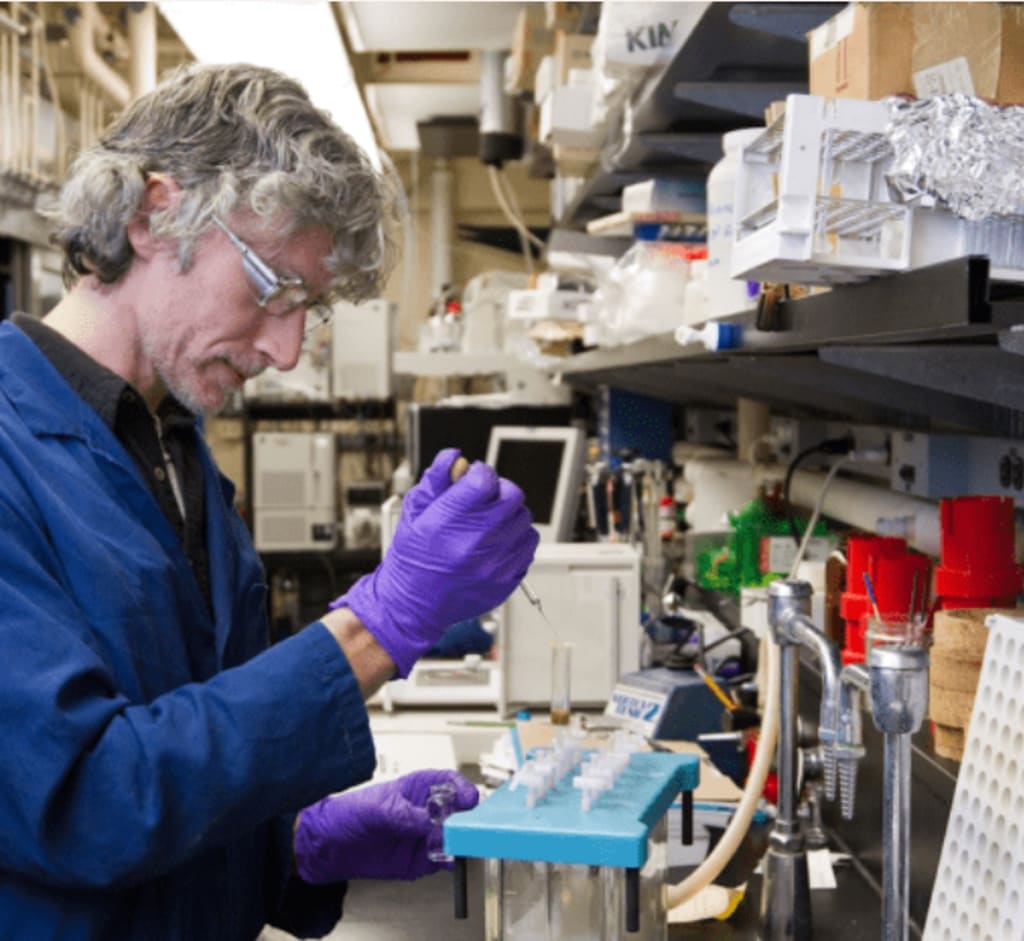
Babies have the most delicate skin, requiring gentle and nourishing care. This is where baby care products manufacturers play a crucial role in creating safe, effective, and high-quality products for infants. From baby lotions and shampoos to diaper creams and powders, the production of these essentials follows a rigorous process to ensure they meet safety standards and provide the best care for a baby’s sensitive skin.
In this article, we will explore the intricacies of baby care product manufacturing, the importance of ingredient selection, regulatory compliance, and the growing trend of natural and organic formulations.
Understanding the Baby Care Product Industry
The global market for baby care products is expanding rapidly, driven by increased awareness among parents about the importance of using safe and chemical-free products. Parents today are more conscious than ever about what they apply to their baby’s skin, leading to a growing demand for gentle, dermatologically tested, and non-toxic baby care items.
A baby care products manufacturer must consider multiple factors while developing products, including skin sensitivity, potential allergens, and the absence of harmful chemicals such as parabens, sulfates, and synthetic fragrances.
Key Considerations in Baby Care Product Manufacturing
1. Ingredient Selection: Prioritizing Safety and Gentleness
The foundation of any baby care product lies in its ingredients. Since an infant’s skin is thinner and more permeable than an adult’s, manufacturers must choose ingredients that are mild, hypoallergenic, and nourishing. Some commonly used ingredients in baby care products include:
Shea Butter & Cocoa Butter: Provide deep hydration and prevent dryness.
Aloe Vera: Soothes and calms irritated skin.
Chamomile & Calendula Extracts: Offer anti-inflammatory and healing properties.
Coconut Oil & Jojoba Oil: Naturally moisturize and protect the skin.
Oat Extracts: Help in soothing conditions like eczema and rashes.
Manufacturers avoid ingredients such as artificial fragrances, alcohols, and dyes, as these can lead to irritation and allergic reactions in babies.
2. Regulatory Compliance and Safety Standards
To ensure that baby care products are safe for use, manufacturers must comply with strict regulatory guidelines set by organizations such as:
FDA (Food and Drug Administration - USA)
EU Cosmetic Regulation (Europe)
BIS (Bureau of Indian Standards - India)
These regulations require rigorous testing for toxicity, microbial contamination, and stability. Dermatological testing, hypoallergenic testing, and pediatrician approvals are also common steps in ensuring product safety.
3. The Role of Research and Development (R&D)
The development of effective baby care products goes beyond basic formulation. R&D teams in manufacturing units work to create innovative, science-backed solutions for common baby skin concerns such as diaper rashes, dry skin, and eczema.
For example, advancements in microbiome-friendly skincare have led to the development of baby lotions that help maintain the natural pH and beneficial bacteria on the baby’s skin.
Sustainable and Ethical Manufacturing in Baby Care
The shift toward sustainability has made an impact on the baby care industry, with more brands opting for eco-friendly packaging, cruelty-free testing, and plant-based formulations. Parents today prefer products that are not only safe for their babies but also for the planet.
1. Organic and Natural Formulations
The demand for organic baby care products has surged, leading manufacturers to create products free from pesticides, GMOs, and synthetic additives. Certifications such as USDA Organic, ECOCERT, and COSMOS Organic assure parents that the products meet high environmental and safety standards.
2. Sustainable Packaging
With plastic waste being a major concern, many baby care product manufacturers are transitioning to biodegradable, recyclable, or refillable packaging solutions. Glass bottles, bamboo containers, and sugarcane-based plastics are becoming common in baby product packaging.
3. Ethical and Cruelty-Free Testing
Manufacturers are also ensuring their products are cruelty-free, meaning they are not tested on animals. Instead, they use lab-grown skin models or AI-driven testing methods to assess product safety.
The Future of Baby Care Product Manufacturing
As the industry evolves, manufacturers are exploring advanced skincare solutions for babies, including:
Probiotic Skincare: Strengthening the skin barrier with beneficial bacteria.
Waterless Formulations: Reducing environmental impact with concentrated creams and balms.
Personalized Baby Care: AI-driven recommendations for baby skincare based on individual needs.
In the coming years, innovation, sustainability, and safety will continue to drive the baby care industry, ensuring that the products are not only effective but also ethical and environmentally responsible.
Final Thoughts
The role of a baby care products manufacturer is not just about creating products—it’s about ensuring the health and well-being of infants through safe, gentle, and scientifically-backed formulations. As the demand for natural, organic, and cruelty-free baby care products grows, manufacturers are adapting to create high-quality solutions that cater to the needs of modern parents.
With advancements in sustainability, research, and ethical manufacturing, the future of baby care products looks promising, ensuring a safer and healthier world for the next generation.
About the Creator
Enjoyed the story? Support the Creator.
Subscribe for free to receive all their stories in your feed.
Comments
There are no comments for this story
Be the first to respond and start the conversation.