Guides
How Virtual Offices in Bournemouth Support Remote Teams and Businesses?
Remote work is transforming the way businesses operate, and having a Green Park virtual office in Bournemouth offers the flexibility and professionalism needed to thrive. Whether you are a freelancer, entrepreneur, or a growing company, a virtual office rental provides a business address, mail handling, and professional services without the high costs of a traditional workspace.
By Green Park2 years ago in Writers
Balipadyami Festival 2025
this blog officially published on "When is Balipadyami in 2025?" Balipadyami, also known as Bali Pratipada, is a significant Hindu festival celebrated on the fourth day of Diwali. It marks the victory of Lord Vishnu over the demon king Bali and symbolizes the triumph of dharma (righteousness) over adharma (evil). In 2025, Balipadyami falls on Sunday, October 26.
By Sujit Kumar2 years ago in Writers
How to Remove Holi Colour
How to Remove Holi Colour Holi, the festival of colors, is a joyous celebration filled with laughter, fun, and vibrant hues. However, once the celebrations are over, removing stubborn Holi colors from your skin, hair, and clothes can be challenging. If you're wondering how to get rid of Holi colors safely and effectively, this guide provides simple, skin-friendly, and eco-friendly solutions to restore your natural glow.
By Sujit Kumar2 years ago in Writers
THE BENEFITS OF SOCIAL COLLABORATIVE WRITING . AI-Generated.
I my writing site,I have always been drawn to the idea of social collaborative writing. The thought of working with other writers, sharing ideas and learning from each other's experiences was incredibly appealing to me. My journey into social collaborative writing began when I joined a writing group. We met once a week, sharing our work and providing feedback to each other. It was a safe and supportive environment, where we could experiment with new ideas and techniques without fear of judgment. As I worked with the group, I began to realize the numerous benefits of social collaborative writing. For one, it helped me to stay motivated and accountable. Knowing that I had to share my work with the group each week kept me on track, even when the writing got tough. Social collaborative writing also helped me to develop my critical thinking skills. By reading and providing feedback on other writers' work, I learned to analyze and evaluate writing from different perspectives. This, in turn, helped me to improve my own writing, as I was able to identify areas for improvement and develop strategies for addressing them. Another benefit of social collaborative writing was the opportunity to learn from others. Each member of the group brought their own unique experiences, skills, and perspectives to the table. By working together, we were able to share knowledge, expertise and resources, helping each other to grow and develop as writers. Benefited outlines of Social Collaborative Writing: 1. Improved motivation and accountability: Working with others helps to stay motivated and accountable. 2. Develops critical thinking skills: Providing feedback on others' work helps to develop critical thinking skills. 3. Opportunities for learning and growth: Collaborating with others provides opportunities to learn from their experiences, skills and perspectives. 4. Enhances creativity: Working with others can stimulate creativity and inspire new ideas. 5. Builds community and support: Social collaborative writing provides a sense of community and support, helping to alleviate the isolation and loneliness that can come with writing. Tips for Engaging in Social Collaborative Writing: 1. Join a writing group: Look for local writing groups or online communities that align with your interests and goals. 2. Be open and receptive: Be willing to share your work, receive feedback, and learn from others. 3. Establish clear goals and expectations: Define what you hope to achieve through social collaborative writing and establish clear expectations for the group. 4. Foster a supportive environment: Encourage constructive feedback, active listening and mutual respect within the group. 5. Celebrate successes and progress: Acknowledge and celebrate the successes and progress of group members. Social collaborative writing has been a transformative experience for me as a writer. It has helped me to stay motivated, develop my critical thinking skills and learn from others. By engaging in social collaborative writing, writers can build community, enhance their creativity and achieve their writing goals. Whether you're a seasoned writer or just starting out, I encourage you to explore the benefits of social collaborative writing for yourself. Join a writing group, attend writing workshops or participate in online writing communities. You never know where it might take you. As I continued to participate in social collaborative writing, I began to notice the impact it had on my writing style and voice. By working with others, I was exposed to different writing styles, genres and techniques. This helped me to experiment with new approaches and find my unique voice. I also found that social collaborative writing helped me to develop a thicker skin. As a writer, it's easy to get attached to your work and take criticism personally. But by sharing my work with others and receiving feedback, I learned to separate myself from my writing and view criticism as an opportunity for growth. Another benefit of social collaborative writing was the opportunity to learn from others' strengths and weaknesses. By reading and providing feedback on others' work, I gained insight into what worked well and what didn't. This helped me to identify areas for improvement in my own writing and develop strategies for addressing them. The Impact of Social Collaborative Writing on Writing Style and Voice: 1. Exposure to different writing styles: Working with others exposes you to different writing styles, genres and techniques. 2. Experimentation with new approaches: Social collaborative writing encourages experimentation with new approaches and techniques. 3. Development of a unique voice: By working with others, you can find your unique voice and writing style. 4. Thicker skin: Social collaborative writing helps you develop a thicker skin and view criticism as an opportunity for growth. Tips for Getting the Most Out of Social Collaborative Writing: 1. Be open to feedback: Be willing to receive feedback and use it to improve your writing. 2. Be respectful of others' work: Treat others' work with respect and kindness, even if you don't agree with their approach. 3. Be willing to take risks: Don't be afraid to try new approaches and take risks in your writing. 4. Celebrate others' successes: Acknowledge and celebrate the successes and progress of others in the group. In conclusion, social collaborative writing has been a game-changer for me as a writer. It's helped me to develop my writing style and voice, learn from others, and grow as a writer. By embracing social collaborative writing, writers can build community, enhance their creativity and achieve their writing goals. Whether you're a seasoned writer or just starting out, I encourage you to give social collaborative writing a try. You never know where it might take you.
By Henry Lucy2 years ago in Writers
THE IMPORTANCE OF SETTING IN WRITING . AI-Generated.
In my writing world I've always been fascinated by the importance of setting in storytelling. Whether it's a fictional world, a historical era or a contemporary city, the setting of a story can transport readers to new and exciting places, evoke powerful emotions and shape the characters and plot in profound ways. My own journey as a writer began with a love of fantasy and science fiction. I devoured books by authors like J.R.R. Tolkien, George R.R. Martin and Frank Herbert, marveling at the richly detailed worlds they created. As I began to write my own stories, I realized that setting was not just a backdrop for the action but a living, breathing character in its own right. One of my earliest writing projects was a fantasy novel set in a fictional world inspired by medieval Europe. I spent hours researching the history, culture and geography of the region, pouring over maps, books and documentaries. As I wrote, I found myself becoming increasingly immersed in the world, its landscapes, cities and people. The setting became a character in its own right, shaping the plot, characters and themes of the story. The rugged mountains, dense forests and bustling cities all played a role in shaping the characters' experiences, motivations and conflicts. As I continued to write, I began to realize the importance of setting in creating a sense of atmosphere and mood. The setting can evoke powerful emotions in the reader, from the eerie feeling of a haunted mansion to the sense of wonder and awe inspired by a majestic landscape. The Importance of Setting in Writing: 1. Establishes atmosphere and mood: Setting can evoke powerful emotions in the reader, creating a sense of atmosphere and mood. 2. Shapes characters and plot: Setting can shape the characters' experiences, motivations and conflicts, as well as the plot of the story. 3. Provides context and background: Setting provides context and background for the story, helping to establish the time period, culture and geography. 4. Creates a sense of authenticity: A well-researched and detailed setting can create a sense of authenticity, drawing the reader into the world of the story. 5. Inspires the writer: Setting can inspire the writer, providing a rich source of ideas, themes and characters. Tips for Creating a Compelling Setting: 1. Research and world-build: Research the time period, culture and geography of the setting, and build a richly detailed world. 2. Use sensory details: Use sensory details to bring the setting to life, including sights, sounds, smells, tastes, and textures. 3. Create a sense of history: Create a sense of history and depth in the setting, including a rich backstory and cultural heritage. 4. Make the setting a character: Make the setting a character in its own right, shaping the plot, characters and themes of the story. 5. Use the setting to evoke emotions: Use the setting to evoke powerful emotions in the reader, creating a sense of atmosphere and mood. setting is a crucial element of storytelling, shaping the characters, plot and themes of the story. By creating a richly detailed and immersive setting, writers can transport readers to new and exciting worlds, evoke powerful emotions and inspire the imagination. Whether you're writing fantasy, science fiction, historical fiction or contemporary realism, the setting of your story is a powerful tool that can help you to create a compelling and unforgettable narrative. The Power of Setting: A Writer's Journey As I continued to write, I began to experiment with different settings, exploring the ways in which the environment could shape the characters and plot. I wrote stories set in dystopian futures, magical realms and even historical eras. Each setting presented its own unique challenges and opportunities. In my dystopian stories, I had to create a sense of grittiness and desperation, using the setting to convey the characters' struggles and fears. In my magical realms, I had to create a sense of wonder and enchantment, using the setting to transport the reader to a world of fantasy and adventure. But regardless of the setting, I found that the key to creating a compelling narrative was to make the setting a character in its own right. I had to give the setting its own personality, its own rhythms and cadences and its own role to play in the story. The Setting as a Character: 1. Give the setting its own personality: Make the setting a character in its own right, with its own personality, rhythms and cadences. 2. Use sensory details: Use sensory details to bring the setting to life, including sights, sounds, smells, tastes and textures. 3. Make the setting active: Make the setting an active participant in the story, shaping the characters' experiences and motivations. 4. Use the setting to evoke emotions: Use the setting to evoke powerful emotions in the reader, creating a sense of atmosphere and mood. Tips for Creating a Compelling Setting: 1. Research and world-build: Research the time period, culture and geography of the setting and build a richly detailed world. 2. Use descriptive language: Use descriptive language to bring the setting to life, including vivid descriptions of the landscape, architecture and culture. 3. Create a sense of history: Create a sense of history and depth in the setting, including a rich backstory and cultural heritage. 4. Make the setting a reflection of the characters: Make the setting a reflection of the characters' personalities, motivations and conflicts. In conclusion, the setting of a story is a powerful tool that can help writers to create a compelling and unforgettable narrative. By making the setting a character in its own right and using sensory details to bring it to life, writers can transport readers to new and exciting worlds, evoke powerful emotions and inspire the imagination. Whether you're writing fantasy, science fiction, historical fiction or contemporary realism, the setting of your story is a crucial element that can help you to create a richly detailed and immersive narrative
By Henry Lucy2 years ago in Writers
Best Jeweller in Chandigarh: Where Elegance Meets Craftsmanship. AI-Generated.
Chandigarh, known for its modern architecture and vibrant culture, is also home to some of the finest jewellers in the country. Whether you're looking for traditional gold jewellery, contemporary diamond pieces, or exquisite silver ornaments, the city offers a plethora of options. But when it comes to finding the Best Jeweller in Chandigarh, there are a few key factors to consider—quality, craftsmanship, authenticity, and customer service.
By AHUJA JEWELLERS SILVER2 years ago in Writers
THE ROLE OF WRITING IN PERSON GROWTH . AI-Generated.
As a writer, I've always known that writing is a powerful tool for self-expression and communication. But it wasn't until I began to reflect on my own writing journey that I realized the profound impact it has had on my personal growth. I remember the first time I started writing seriously. I was in my early twenties, struggling to find my place in the world. I was uncertain about my career, my relationships and my sense of purpose. But as I began to write, I found a sense of clarity and direction that I had been lacking. Writing became my therapy, my confidant and my best friend. It was the one place where I could be completely honest with myself, where I could explore my deepest fears and desires without fear of judgment. As I wrote, I began to uncover patterns and themes in my life that I had never noticed before. I realized that I had been living in a state of constant anxiety, always worried about what others thought of me. But as I wrote, I began to let go of that need for validation and instead, focused on being true to myself. Writing also helped me to develop a greater sense of empathy and compassion. As I explored the lives and experiences of my characters, I began to see the world from different perspectives. I realized that everyone has their own struggles and challenges and that we are all connected in ways that we can't even begin to imagine. But perhaps the most profound impact that writing has had on my personal growth is the way it has helped me to develop a greater sense of self-awareness. Through writing, I've been able to explore my own thoughts, feelings and motivations in a way that I never could before. I've been able to identify areas of my life where I need to grow and improve and I've been able to develop strategies for making positive changes. I've also been able to celebrate my successes and accomplishments and to reflect on the lessons I've learned along the way. The Role of Writing in Personal Growth: 1. Self-discovery: Writing helps us to explore our own thoughts, feelings and motivations, leading to a greater sense of self-awareness. 2. Emotional release: Writing provides a safe and healthy outlet for processing and releasing emotions. 3. Empathy and compassion: Writing helps us to develop a greater sense of empathy and compassion for others. 4. Personal reflection: Writing provides a tool for reflecting on our experiences and lessons learned. 5. Goal-setting and achievement: Writing helps us to set and achieve goals, leading to a greater sense of purpose and direction. Tips for Using Writing for Personal Growth: 1. Start a journal: Begin by writing in a journal, exploring your thoughts, feelings and experiences. 2. Write regularly: Make writing a regular part of your routine, whether it's daily, weekly or monthly. 3. Be honest: Be completely honest with yourself as you write, exploring your deepest fears and desires. 4. Reflect on your experiences: Use writing to reflect on your experiences and lessons learned. 5. Celebrate your successes: Use writing to celebrate your successes and accomplishments. In conclusion, writing has been a transformative force in my life, helping me to grow and develop in ways that I never thought possible. Through writing, I've been able to explore my own thoughts, feelings and motivations, leading to a greater sense of self-awareness and personal growth. Whether you're a seasoned writer or just starting out, I encourage you to explore the transformative power of writing for yourself. You never know where it might take you. The Transformative Power of Writing: A Writer's Journey As I continued to write, I began to realize that the benefits of writing for personal growth extended far beyond my own individual experiences. I started to share my writing with others, whether through blogging, social media or in-person writing groups. Through sharing my writing, I connected with others who were on similar journeys of self-discovery and growth. We formed a community of writers who supported and encouraged each other, sharing our experiences and insights along the way. This community of writers helped me to see that I was not alone in my struggles and challenges. We all faced similar obstacles and doubts, but through our writing, we were able to work through them and emerge stronger and wiser. The act of sharing my writing also helped me to develop a greater sense of vulnerability and authenticity. By putting my thoughts and feelings out into the world, I was forced to confront my own fears and doubts head-on. This vulnerability and authenticity, in turn, helped me to connect with others on a deeper level. I formed meaningful relationships with readers and fellow writers who resonated with my message and values. The Power of Vulnerability and Authenticity: 1. Builds trust: Vulnerability and authenticity help to build trust with readers and others. 2. Fosters connection: Vulnerability and authenticity help to form meaningful connections with others. 3. Encourages growth: Vulnerability and authenticity encourage personal growth and self-awareness. 4. Develops resilience: Vulnerability and authenticity help to develop resilience and coping skills. Tips for Sharing Your Writing: 1. Start small: Begin by sharing your writing with a small group of trusted friends or family members. 2. Join a writing community: Connect with other writers through online communities, writing groups, or workshops. 3. Be authentic: Share your true thoughts and feelings through your writing. 4. Be vulnerable: Be willing to take risks and be vulnerable in your writing. 5. Celebrate others: Celebrate the successes and achievements of other writers and readers. In conclusion, the transformative power of writing for personal growth extends far beyond the individual writer. By sharing our writing with others, we can form meaningful connections, build trust and foster growth and self-awareness. Whether you're a seasoned writer or just starting out, I encourage you to explore the transformative power of writing for yourself. Share your writing with others, and watch how it can impact not only your own life but also the lives of those around you.
By Henry Lucy2 years ago in Writers
THE IMPORTANT OF FEEDBACK . AI-Generated.
As a writer, I've always known that feedback is an essential part of the writing process. But it wasn't until I received feedback on my first novel that I truly understood its importance. I had spent years working on the manuscript, pouring my heart and soul into every word. I was convinced that it was perfect, that it would be a bestseller the moment it hit the shelves. But when I shared it with a writing group, I was shocked by the feedback I received. They pointed out plot holes, character inconsistencies and pacing issues that I had never even considered. At first, I was defensive. I felt like they just didn't understand my vision, that they were trying to tear me down. But as I read through their comments and suggestions, I began to see the manuscript in a new light. I realized that I had been so close to the project for so long that I had lost all objectivity. I had become blind to its flaws and it took someone else's perspective to point them out. With a newfound sense of humility, I set out to revise the manuscript. I addressed the issues that the writing group had pointed out and I made significant changes to the plot, characters and pacing. The result was a manuscript that was infinitely better than the original. It was tighter, more focused and more engaging. And when I shared it with the writing group again, they were blown away by the improvements. That experience taught me the importance of feedback in the writing process. It's not just about getting praise or validation; it's about getting constructive criticism that can help you improve your craft. Since then, I've made it a point to seek out feedback on every project I work on. I share my work with writing groups, beta readers, editors and I'm always looking for ways to improve and refine my writing. Feedback is a gift, not a criticism. It's a chance to learn, to grow and to become a better writer. And if you're not open to feedback, then you're not open to growth. Hack's for Giving and Receiving Feedback: 1. Be specific: When giving feedback, be specific about what works and what doesn't. 2. Be constructive: Focus on providing constructive criticism that can help the writer improve. 3. Be respectful: Treat the writer and their work with respect, even if you don't agree with their vision. 4. Be open-minded: When receiving feedback, be open-minded and willing to consider different perspectives. 5. Be grateful: Always thank the person providing feedback, and show appreciation for their time and effort. By embracing feedback and using it to improve your craft, you can become a better writer and create work that resonates with readers. the periods that I write and receive feedback, I began to realize that it wasn't just about improving my writing skills. Feedback was also about understanding my audience and crafting a story that resonated with them. I remember receiving feedback from a beta reader who pointed out that one of my characters was inconsistent in their actions. At first, I was defensive, but then I realized that the reader was right. I had been so focused on the plot that I hadn't considered how the character's actions would be perceived by the reader. I made the necessary changes and the character became more believable and relatable. The feedback had not only improved my writing but also helped me to connect with my audience on a deeper level. Feedback is not just about fixing mistakes; it's about creating a story that resonates with readers. It's about understanding what works and what doesn't, and making adjustments accordingly. As writers, we often get caught up in our own vision and lose sight of how our work will be received by others. Feedback helps us to see our work through the eyes of our readers and make adjustments to create a better reading experience. The Different Types of Feedback: 1. Developmental feedback: Focuses on the overall structure and direction of the story. 2. Line-level feedback: Examines the writing at the sentence and paragraph level. 3. Character feedback: Focuses on the development and consistency of characters. 4. Pacing feedback: Examines the flow and pacing of the story. By understanding the different types of feedback and being open to constructive criticism, writers can create work that is engaging, believable and resonates with readers. Creating a Feedback Loop: 1. Find beta readers: Identify readers who are willing to provide feedback on your work. 2. Join a writing group: Connect with other writers who can provide feedback and support. 3. Hire a professional editor: Work with an editor who can provide expert feedback and guidance. 4. Be open to feedback: Create a safe and supportive environment where readers feel comfortable providing feedback. By creating a feedback loop and being open to constructive criticism, writers can continue to grow and improve their craft, creating work that resonates with readers
By Henry Lucy2 years ago in Writers
Easy and Effective Personality Development Tricks for Success . AI-Generated.
Having a strong personality is essential for success in life. Whether you are preparing for a job interview, improving relationships, or becoming a better leader, the right personality development tricks can help. A well-developed personality makes you confident, improves communication, and helps you connect with others.
By Girish Anand2 years ago in Writers
THE ART OF WORLD BUILDING . AI-Generated.
As a writer, I've always been fascinated by the art of world building. There's something magical about creating an entirely new universe, complete with its own geography, history and mythology. My journey into world building began with a simple idea, a sprawling, fiction fantasy series set in a world to inspire readers. I had a rough outline of stories, but I knew that I needed to flesh out the world itself before I could begin writing. I started by sketching out a rough map of the world, including the continents, oceans and major landmarks. As I worked, I began to think about the geology and climate of each stories am writing, and how these stories would shape the cultures and societies of today. Next, I turned my attention to the history of the world. I wanted to create a rich, complex past that would inform the present day conflicts and politics of the story. I spent hours researching different historical periods and cultures, looking for inspiration and ideas. As I was more intense into the world building process, I began to realize just how intricate and interconnected every aspect of the world was. The geography influenced the climate, which in turn shaped the cultures and societies. The history of the world informed the present-day politics and conflicts, which were themselves influenced by the cultures and societies. It was a dizzying, overwhelming process at times, but it was also exhilarating. I felt like I was uncovering secrets and discovering hidden treasures with every new revelation. One of the most important things I learned during this process was the importance of consistency. I had to keep track of countless details, from the names of characters and places to the intricacies of the world's magic system. I created spreadsheets and timelines and even developed a complex system of notation to keep everything straight. As I worked, I also began to think about the mythology and folklore of the world. I wanted to create a rich, vibrant cultural heritage that would add depth and texture to the stories. I drew inspiration from real-world mythologies and folklores as well as from literature and art. The result of all this hard work was a world that felt alive, vibrant and real. I had created stories that was at once familiar and yet utterly unique, with its own rhythms and cadences. As I began to write the stories ,then notice that the world-building process had given me a tremendous advantage. I knew the world inside and out, and I could draw upon a deep well of knowledge and inspiration to bring the stories to life. The art of world-building is a complex, challenging process, but it's also incredibly rewarding. By creating a rich, detailed and immersive world, writers can transport their readers to new and exciting realms and inspire them to imagine and explore. Whether you're writing fantasy, science fiction or any other genre, world-building is an essential part of the writing process. It's a journey that requires patience, persistence and creativity, but the results and out comes are truly amazing and encouraging. Tips for Effective World-Building: 1. Start small: Begin with a simple idea or concept, and gradually build upon it. 2. Be consistent: Keep track of details and ensure that the world is consistent and logical. 3. Draw inspiration: Look to real-world cultures, histories, and mythologies for inspiration. 4. Create a rich history: Develop a complex and nuanced history for the world. 5. Consider the mythology: Develop a rich cultural heritage, including mythology and folklore. By following these tips and dedicating yourself to the art of world-building, you can create a rich, immersive, and unforgettable world that will transport your readers to new and exciting realms. As days goes by in writing, I found that the world-building process was ongoing. New ideas and inspirations would strike me, and I would incorporate them into the world. I would also discover inconsistencies and contradictions and I would work to resolve them. One of the most important things I learned during this process was the importance of flexibility. I had to be willing to change and adapt the world as the story evolved. This wasn't always easy, as I had become deeply invested in the world and its inhabitants. However, I knew that the world had to serve the story, not the other way around. So, I worked to remain open and flexible, willing to make changes and adjustments as needed. Another important aspect of world-building is the creation of a sense of depth and history. I wanted my stories to feel like it had been around for thousands of years, with its own unique cultures, traditions and mythologies. To achieve this, I worked to create a rich and detailed history for the world. I developed timelines, genealogies and historical events that shaped the world and its inhabitants. I also worked to create a sense of consistency and logic within the world. I developed rules and laws that governed the world's magic, technology and cultures. This helped to create a sense of authenticity and immersion as the world felt like a real and lived-in place. As I neared the end of the writing process, I felt a sense of pride and accomplishment. I had created a rich, immersive and unforgettable world that would transport my readers to new and exciting realms. The art of world-building is a complex and challenging process, but it's also incredibly rewarding. By creating a rich, detailed and immersive world, writers can transport their readers to new and exciting realms, and inspire them to imagine and explore. Whether you're writing fantasy, science fiction or any other genre, world-building is an essential part of the writing process. It's a journey that requires patience, persistence and creativity, but the results are well worth the effort. Common Mistakes to Avoid in World-Building: 1. Overly complex world: Avoid creating a world that is too complex or convoluted. 2. Inconsistent rules: Ensure that the rules and laws of the world are consistent and logical. 3. Lack of depth: Avoid creating a world that feels shallow or lacking in depth. 4. Too much information: Avoid overwhelming the reader with too much information about the world. 5. Inconsistent tone: Ensure that the tone of the world-building is consistent with the tone of the story. By avoiding these common mistakes and dedicating yourself to the art of world-building, you can create a rich, immersive and unforgettable world that will transport your readers to new and exciting realms.
By Henry Lucy2 years ago in Writers
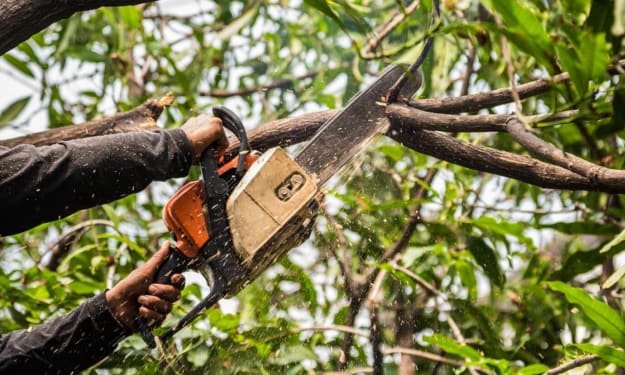
Essential Benefits of Regular Tree Pruning for a Healthy Landscape
Imagine walking into your garden and being greeted by vibrant, healthy trees that not only elevate your curb appeal but also contribute to the safety and overall value of your property. Sounds perfect, right? The secret to achieving this picturesque outdoor space is regular tree pruning. For professional help with tree pruning Brighton, look no further than Brighton Tree Surgeon. Let's explore why consistent pruning is essential for your landscape and how it can make all the difference.
By Brighton Tree Surgeon2 years ago in Writers
A Complete Guide to Hedge Trimming Sheffield Homeowners Will Appreciate
A beautifully tended garden can transform the look and feel of your home. One crucial aspect that often steals the show is well-maintained hedges. They provide privacy, define boundaries, and add a touch of elegance to your outdoor space. If you’re curious about how to keep your hedges in top shape or considering professional help, this guide is tailored for you. Focusing on hedge trimming Sheffield, we’ll also explore techniques, timing, and insights into the hedge trimming cost.
By Tree Surgeon Sheffield2 years ago in Writers