
Revolutionizing Retail with Store Footfall Analytics: Harnessing AI for Better Insights
How AI-Driven Store Footfall Analytics Can Transform Retail Operations and Boost Sales
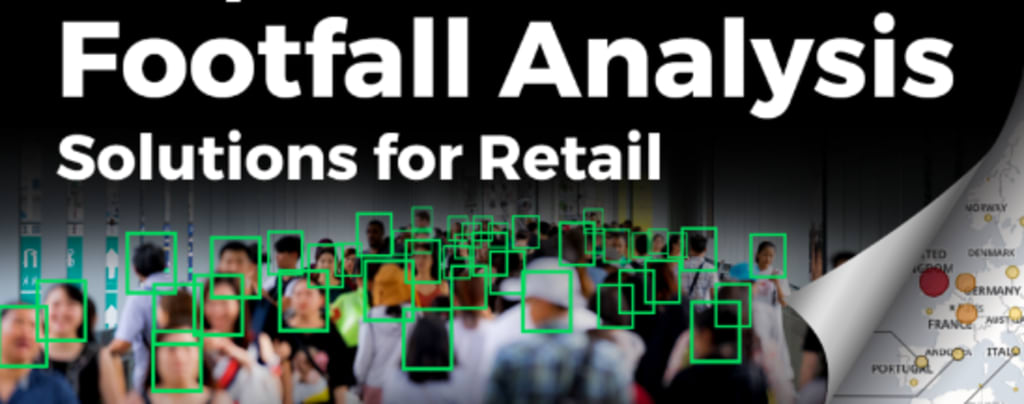
In today's competitive retail environment, understanding customer behavior and optimizing store operations are crucial for success. One of the most powerful tools in achieving this is store footfall analytics. By leveraging advanced technologies like artificial intelligence (AI), retailers can gain valuable insights into customer patterns, preferences, and behaviors, transforming how they approach store management and marketing strategies.
What is Store Footfall Analytics?
Store footfall analytics refers to the process of measuring and analyzing the number of visitors to a retail store over a given period. This data provides retailers with insights into customer traffic patterns, peak shopping times, and the effectiveness of marketing campaigns. By understanding footfall trends, retailers can make informed decisions to improve store layouts, staffing levels, and promotional strategies.
The Role of AI in Retail Footfall Analytics
Incorporating AI in retail has revolutionized the field sales of footfall analytics. Traditional methods of tracking foot traffic often involved manual counting or basic electronic sensors, which provided limited data and required significant manual intervention. However, with the advent of AI-powered analytics, retailers can now benefit from more sophisticated and accurate insights.
Artificial intelligence in retail enhances footfall analytics by enabling real-time data processing, predictive analytics, and advanced pattern recognition. AI algorithms can analyze vast amounts of data quickly and accurately, identifying trends and anomalies that might be missed with conventional methods. For instance, AI can predict busy periods, assess the impact of marketing efforts, and even suggest store layout adjustments based on customer flow.
Key Benefits of Retail Footfall Analytics
Optimized Store Layout: By understanding how customers move through the store, retailers can design layouts that improve the shopping experience and maximize sales. For example, placing high-margin items in high-traffic areas can increase visibility and drive sales.
Enhanced Staffing Efficiency: Accurate footfall data allows retailers to schedule staff more effectively, ensuring that there are enough employees to assist customers during peak times while minimizing labor costs during quieter periods.
Improved Marketing Strategies: By analyzing the effectiveness of marketing campaigns and promotions based on foot traffic data, retailers can refine their strategies to better target their audience and increase ROI.
Informed Business Decisions: Retail store analytics provide actionable insights that can guide various aspects of store management, from inventory control to customer service improvements.
Implementing AI-Driven Store Analytics
To fully leverage retail footfall analytics powered by AI, retailers should consider the following steps:
Invest in the Right Technology: Choose a footfall analytics solution that integrates AI capabilities for real-time data analysis and actionable insights.
Integrate with Existing Systems: Ensure that your footfall analytics system can seamlessly integrate with other retail management tools, such as POS systems and CRM platforms, for a holistic view of your store's performance.
Regularly Review and Adapt: Continuously analyze the data and adapt your strategies based on the insights gained. Regular reviews will help you stay ahead of trends and make data-driven decisions.
Train Your Team: Equip your staff with the knowledge and skills to interpret and act on footfall analytics data effectively. This will ensure that insights are translated into tangible improvements in store operations.
Conclusion
Incorporating store footfall analytics in retail strategy can provide significant advantages, from optimizing store layouts to enhancing marketing efforts. The integration of AI in retail further amplifies these benefits, offering deeper insights and more accurate predictions. By leveraging artificial intelligence in retail, retailers can stay ahead of the competition and create a more efficient, customer-centric shopping experience.
Embrace the power of store analytics today and transform your retail operations with cutting-edge technology. The future of retail is here, and it's driven by data.
About the Creator
James Lee
Drive innovation and efficiency with Innovatics. Our data analytics and AI consulting Company offers comprehensive services, including AI, ML, business intelligence, and data engineering, conversional ai, LLM, NLP, Chatbot Analytics.
Enjoyed the story? Support the Creator.
Subscribe for free to receive all their stories in your feed.
Comments