
Returnable Pallet
Sustainable and Cost-Effective Solutions for Modern Logistics

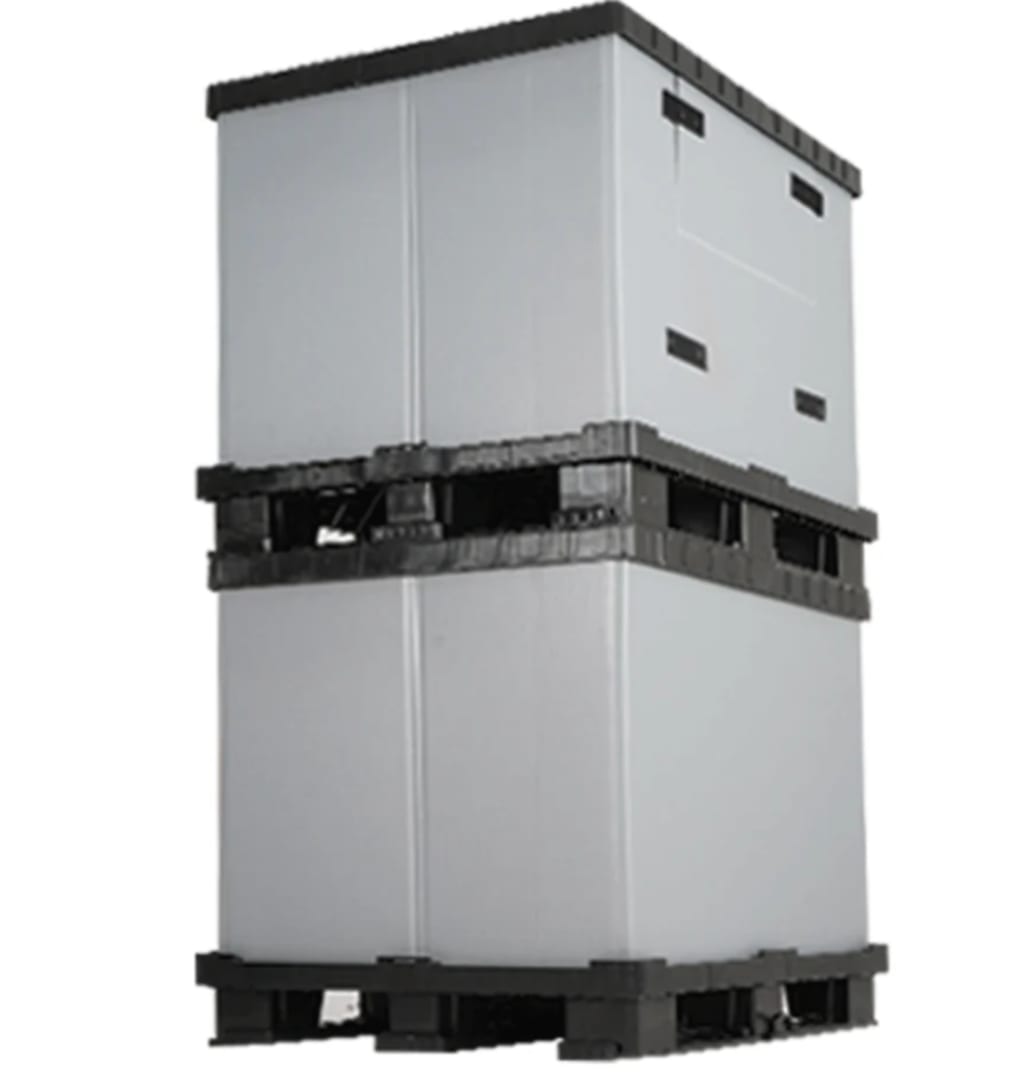
Understanding Returnable Pallets in Logistics
In the fast-paced world of supply chain management, efficiency and sustainability are two of the most pressing concerns for businesses. One of the key innovations addressing these concerns is the returnable pallet. Unlike single-use pallets that are discarded after one shipping cycle, returnable pallets are designed for multiple uses, offering durability, cost savings, and environmental benefits.
Returnable pallets are typically made from robust materials like plastic, metal, or composite materials, ensuring that they can withstand repeated handling, transportation, and storage cycles. These pallets are widely used across various industries, including automotive, retail, pharmaceuticals, and food and beverage, where sustainable and reliable packaging solutions are crucial.
Key Advantages of Using Returnable Pallets
1. Cost Savings in the Long Run
While the initial investment in returnable pallets may be higher than traditional wooden pallets, businesses can realize significant cost savings over time. Since these pallets are designed for repeated use, companies reduce the need for constant repurchasing. Additionally, returnable pallets require less maintenance, as they are resistant to common issues like splintering, breakage, or contamination.
2. Enhanced Durability and Strength
Returnable pallets are built to last. Materials like high-density polyethylene (HDPE) or metal provide superior strength compared to traditional wooden pallets. This durability ensures that goods are transported securely, reducing the risk of product damage.
3. Environmental Benefits and Sustainability
Sustainability is a driving force behind the shift toward returnable pallets. Businesses looking to reduce their carbon footprint and cut down on packaging waste are opting for reusable solutions. Unlike disposable wooden pallets, which contribute to deforestation and generate significant waste, returnable pallets can be used multiple times before being recycled, making them a more eco-friendly option.
4. Consistent and Hygienic Shipping Solution
Industries like pharmaceuticals and food & beverage require high levels of hygiene in their logistics processes. Unlike wooden pallets, which can absorb moisture, harbor bacteria, and become a breeding ground for pests, returnable pallets provide a more sanitary option. Plastic and metal pallets are easy to clean, making them ideal for applications that demand strict hygiene standards.
5. Improved Supply Chain Efficiency
Returnable pallets streamline supply chain operations by reducing the complexities associated with single-use packaging. Many companies integrate pallet tracking systems using RFID or barcodes, ensuring better inventory management and reducing the risk of lost or misplaced pallets.
Industries That Benefit from Returnable Pallets
1. Automotive Industry
The automotive sector heavily relies on returnable pallets for transporting heavy components like engines, gearboxes, and other large parts. Their strength and reusability help in reducing packaging costs and ensuring safe transit.
2. Retail and E-commerce
Retailers and e-commerce companies use returnable pallets to improve their logistics efficiency. They facilitate smoother distribution processes and reduce the overall environmental impact of packaging waste.
3. Pharmaceuticals and Healthcare
With stringent hygiene and safety regulations, the pharmaceutical industry benefits from returnable pallets by ensuring a clean and contamination-free shipping process.
4. Food and Beverage
Food manufacturers and distributors use returnable pallets for safe transportation of perishable goods. These pallets prevent contamination, are resistant to moisture, and support better inventory management.
Challenges in Implementing Returnable Pallet Systems
While returnable pallets offer multiple benefits, there are challenges businesses need to address for successful implementation:
1. Higher Initial Investment
The upfront cost of returnable pallets is higher than disposable alternatives, making some companies hesitant to switch. However, this cost is often offset by long-term savings.
2. Logistics and Reverse Supply Chain Management
A returnable pallet system requires an efficient reverse logistics network to ensure pallets are returned, cleaned, and reused. Businesses need to establish collection points or partner with logistics providers to manage returns effectively.
3. Compatibility with Automated Systems
Companies that use automated warehouse systems need to ensure that returnable pallets are compatible with their existing infrastructure. Proper sizing, weight distribution, and durability play a crucial role in seamless automation integration.
Future Trends in Returnable Pallet Systems
With industries increasingly focusing on sustainability, the demand for returnable pallets is expected to grow. Some key trends shaping the future of returnable pallet systems include:
Smart Pallet Tracking: Integration of IoT-enabled sensors, RFID tags, and GPS tracking to monitor pallet movement and optimize inventory management.
Advanced Materials: Innovations in composite and recycled materials that enhance the durability and sustainability of returnable pallets.
Collaborative Pallet Pools: Shared pallet networks that allow multiple companies to benefit from returnable pallet systems, reducing costs and environmental impact.
Conclusion
A returnable pallet is more than just a transportation platform—it is a strategic investment for businesses looking to optimize logistics, reduce costs, and enhance sustainability. While challenges exist, the long-term benefits far outweigh the initial setup costs. As industries continue to prioritize eco-friendly supply chain practices, returnable pallets are set to become a fundamental component of modern logistics.
Companies that embrace this shift early will gain a competitive edge by improving operational efficiency, reducing waste, and supporting a greener future.
About the Creator
Enjoyed the story? Support the Creator.
Subscribe for free to receive all their stories in your feed.
Comments
There are no comments for this story
Be the first to respond and start the conversation.