
Readers and Writers
not the same

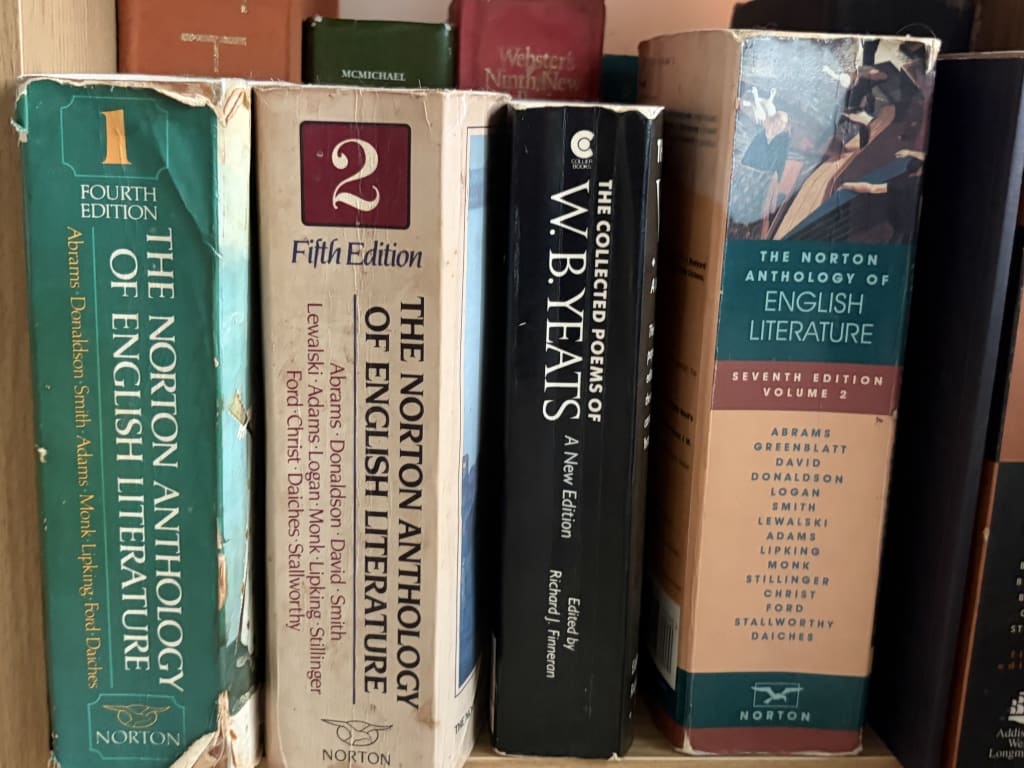
Some of you may have noticed that I talk about readers and writers as two different things or persons. That’s because they are. Stephen King says we should write with the door closed and revise with it open, and he’s 100% right.
When the first (or rough) draft is in composition, the act of being created, the reader doesn’t exist yet, only the text and its creator. But when the birthing is finished, the world rushes in, carrying readers with it, and that’s when it’s time to lock the writer in his or her creative space so the reader/editor can begin his or her portion of the work.
Unless it’s one of those rare first drafts that need no revision nor editing, the writer has to go away with the baby lying on the chopping block. Separating our reader/editor persona from our writer/creator persona isn’t always easy, and the more difficult it is, the longer the draft needs to rest. When it’s time for revision and editing, we should be able to approach joyfully, scalpel in hand to cut away what isn’t necessary, which is usually anything that doesn’t move the story forward. Incidental details should resonate meaning, give the reader something. The editor’s job is not to love the writer or the creation; it’s to make the creation the best it can be.
Most of my first drafts are full of typos, unnecessary words, details that don’t tie into the main thread of the story (or poem), tense shifts, pov inconsistencies, and the like. When I come in to edit, it’s my job to identify everything that can be improved. Voice comes first. If the piece loses or falters in voice, the work fails, usually without the reader pinpointing exactly what’s wrong, as this is a problem that pervades the work, not one that exists in isolation like a grammatical error or typo. And it requires throwing out what isn’t working and creating something that works to take its place. Hard work, hat changing involved.
A rhetorical situation is subject + audience + purpose. In composition, the first of these is the focus, and it usually doesn’t allow the other two to enter the room. That’s fine, as long as the writer knows he or she cannot stay in that room with the text. One of two things must happen: either the writer must open the door to the editor (and leave) or bring the work out of the room to the editor (and let go). If neither if these happens, the work (and reader) suffer.
Audience and purpose should be the primary concerns when editing and revising, and sometimes this requires a pause for identification. Who is the reader? What is my purpose in this text?
If you can’t answer those questions, how do you expect anyone else to? If you don’t know who the reader is, odds are high that you’ll unintentionally offend. If the genre is fiction or poetry, identifying the reader’s reading level is essential. I loathe a text that talks down to me, explaining things I already know, telling instead of showing, or breaking the fourth wall and intruding into the text, disrupting my reader’s gift (to the writer) of willing suspension of disbelief. The reader should never work harder than the writer.
Everyone on Vocal is not my audience. That’s okay—I’m a weirdo, not made for beige taste. Some of my work appeals to people who aren’t my audience, but most doesn’t. I have zero desire to be one-size-fits-all, and I understand that my standards themselves offend some readers. My goal isn’t popularity, fame, or fortune. Sure, I would willingly accept all three, but none of those are why I write. I write because I have to, because they would lock me up if I acted out all of these ideas revolving in my brain. I revise and edit because I care about the reader.
About the Creator
Harper Lewis
Intrusive rhyme bothers me, except as a weapon.
Intertextuality is my passion.
Formalist/ New Critical are my guiding theories.
My words are mine, not a robot’s.
MA English literature, CofC
Enjoyed the story? Support the Creator.
Subscribe for free to receive all their stories in your feed. You could also become a paid subscriber, letting them know you appreciate their work.
Comments
There are no comments for this story
Be the first to respond and start the conversation.