
Pollution in India in 2026: A Growing Challenge for Metropolitan Cities
How India’s Fast-Growing Metro Cities Are Struggling With Air, Water, Noise, and Waste Pollution in 2026

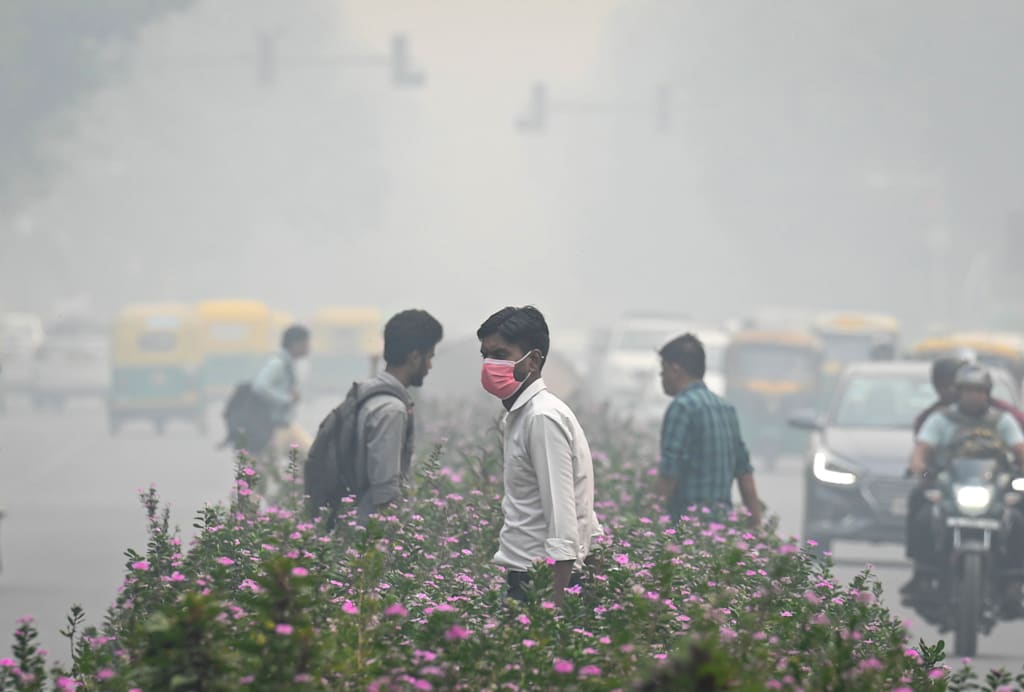
India’s metropolitan cities are growing faster than ever in 2026. New highways, flyovers, metro projects, shopping hubs, and residential towers are changing the face of urban India. Cities like Delhi, Mumbai, Bengaluru, Hyderabad, Chennai, Kolkata, and Pune continue to attract people from across the country because of better job opportunities and modern lifestyles.
But alongside this rapid development, another reality is becoming impossible to ignore - pollution.
For millions of people living in metro cities, pollution is now part of daily life. Whether it is poor air quality, polluted rivers, endless traffic noise, or overflowing garbage dumps, environmental problems are affecting both public health and quality of life.
The issue is no longer limited to environmental discussions or government reports. People can now physically feel the impact in their daily routines - burning eyes while traveling, difficulty breathing during winter mornings, contaminated water, and rising health problems among children and elderly citizens.
Air Pollution Continues to Dominate Urban India
Air pollution remains the biggest environmental concern in India’s metropolitan cities.
In Delhi, winter smog still creates serious problems every year. A thick layer of polluted air covers large parts of the city because of traffic emissions, dust, industrial smoke, and crop-burning from nearby regions. Many residents now check air quality updates before stepping outside.
Mumbai is also dealing with worsening air quality. Ongoing infrastructure work, traffic congestion, and construction dust have increased pollution levels across several areas of the city.
Cities that were once considered cleaner, such as Bengaluru and Pune, are also seeing noticeable changes because of rapid urban growth and increasing vehicle numbers.
Some major causes of air pollution in metro cities include:
- Heavy traffic and vehicle emissions
- Construction and demolition activities
- Industrial smoke and factory waste
- Dust from roads and flyover projects
- Burning of garbage and waste
- Coal-powered energy production
The effects are visible everywhere. People are facing:
- Breathing difficulties
- Asthma and allergies
- Eye irritation
- Fatigue and headaches
- Increased respiratory infections
Children and senior citizens are among the most affected groups.
Water Pollution Is Becoming Harder to Control
Water pollution is another major problem in India’s urban areas.
Several rivers, lakes, and drainage systems in metropolitan cities are under constant pressure because of untreated sewage and waste disposal. Despite years of awareness campaigns and cleaning projects, many water bodies remain heavily polluted.
The Yamuna River in Delhi continues to struggle with contamination caused by sewage discharge and industrial waste. In Bengaluru, polluted lakes have become a major concern because of chemical waste and foam formation.
Mumbai’s coastal areas are also affected by plastic waste and drainage pollution, especially during monsoon season when garbage often reaches beaches and seawater.
Common reasons behind water pollution include:
- Untreated sewage entering rivers
- Industrial chemical discharge
- Plastic and domestic waste dumping
- Oil leakage and drainage pollution
Poor waste management systems
Polluted water affects both humans and aquatic life. It also increases the risk of diseases such as:
- Cholera
- Typhoid
- Skin infections
- Stomach-related illnesses
Access to clean water is becoming a serious challenge in several urban areas.
Noise Pollution Has Become a Daily Struggle
Noise pollution is often ignored, but it has become one of the most exhausting parts of life in metro cities.
Constant traffic, honking, construction work, metro rail projects, loudspeakers, and crowded roads create nonstop noise throughout the day. In cities like Mumbai and Delhi, silence has become rare in many residential areas.
People living near busy roads and commercial zones often struggle with:
- Sleep disturbances
- Stress and anxiety
- Lack of concentration
- Mental fatigue
- Hearing-related problems
The pressure of urban life becomes even more difficult when people are surrounded by noise almost every hour of the day.
Plastic Waste Is Growing Rapidly
Plastic pollution continues to create serious environmental challenges across India.
Despite awareness campaigns and restrictions on single-use plastics, metropolitan cities still generate huge amounts of plastic waste every day. Food delivery packaging, shopping bags, disposable containers, and online delivery waste are increasing continuously.
Large garbage dumping sites near metro cities are expanding rapidly. Overflowing landfills are now common near several urban regions.
Major waste-related concerns include:
- Overflowing garbage dumps
- Plastic entering rivers and lakes
- Waste burning in open areas
- Poor recycling systems
- Blocked drainage systems during rains
During monsoon season, plastic waste often blocks drains and causes waterlogging in several parts of cities like Mumbai, Delhi, and Chennai.
Pollution Is Affecting Public Health
One of the most worrying aspects of pollution in India is its impact on public health.
Hospitals in metro cities are reporting growing cases of respiratory illnesses and pollution-related diseases. Doctors are also seeing increased health problems among children because of poor environmental conditions.
Some common health issues linked to pollution are:
- Asthma and lung infections
- Heart-related diseases
- Skin allergies
- Stress and anxiety
- Weak immunity in children
- Long-term breathing disorders
Mental health is also being affected. Crowded cities, poor air quality, traffic stress, and lack of green spaces are creating emotional pressure on urban residents.
For many families, healthcare expenses related to pollution are becoming an additional financial burden.
Government Efforts and Urban Sustainability Plans
The government has introduced several initiatives to reduce pollution and improve environmental conditions in metropolitan cities.
In recent years, authorities have focused on cleaner transportation and sustainable urban planning. Metro rail expansion and electric vehicle adoption are being promoted in many cities.
Some important steps include:
- Promotion of electric vehicles (EVs)
- Expansion of metro transportation systems
- Tree plantation campaigns
- Dust-control measures at construction sites
- Plastic ban initiatives
- River-cleaning projects
- Waste segregation awareness drives
Several cities are also using technology to monitor air quality levels in real time.
However, implementation remains a challenge because population growth and urban expansion are happening at a very fast pace.
Public Participation Matters the Most
Government action alone cannot solve pollution problems. Public participation is equally important.
Small lifestyle changes can help reduce environmental damage over time. People living in metropolitan cities can contribute by:
- Using public transport more often
- Avoiding unnecessary plastic use
- Following proper waste segregation
- Conserving electricity and water
- Planting trees in local communities
- Reducing private vehicle usage whenever possible
Awareness among young people has increased significantly in recent years, which is a positive sign for the future.
Conclusion
Pollution in India in 2026 is one of the biggest challenges connected to urban development and modern lifestyles. Metropolitan cities continue to grow economically, but environmental pressure is also increasing rapidly.
Air pollution, water contamination, plastic waste, and noise pollution are affecting millions of people every single day. While governments are introducing new policies and sustainability projects, long-term improvement will only happen when citizens, industries, and authorities work together.
India’s metro cities need growth that is not only fast but also responsible. Clean air, safe water, greener spaces, and better waste management are no longer optional — they are essential for the future of urban life in the country.
About the Creator
Prateek Mittal
Prateek Mittal is an Indian blogger with 4 years of experience, focusing on business and the energy sector, sharing simple and insightful content on industry trends and market developments.
Enjoyed the story? Support the Creator.
Subscribe for free to receive all their stories in your feed.
Comments
There are no comments for this story
Be the first to respond and start the conversation.