
Operating Challenges: Keeping Self Loader Mixer Performance Reliable in Demanding Construction Schedules
Keeping Self Loader Mixer Performance Reliable

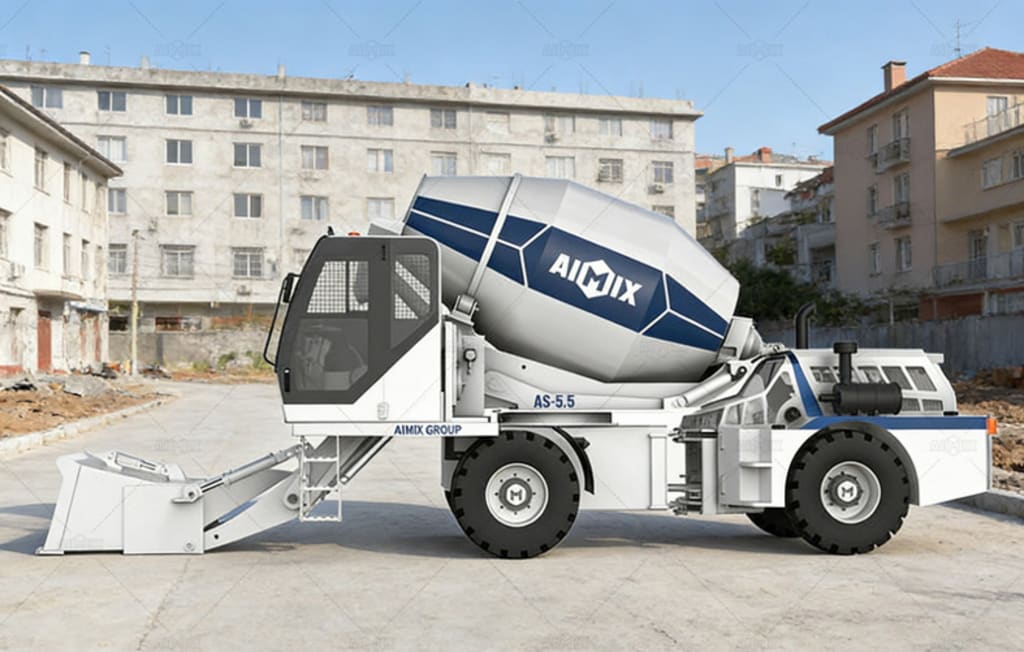
The proliferation of self-loading concrete mixers within the modern construction landscape has fundamentally altered the logistics of material transposition and on-site fabrication. These multifaceted apparatuses integrate the functionalities of a batching plant, a loader, and a transit mixer into a singular mobile unit, offering unparalleled versatility in remote or constrained topographies. However, the confluence of high-velocity project timelines and the inherent complexity of these machines necessitates a sophisticated approach to maintenance and operational oversight. Ensuring continuous uptime requires a nuanced understanding of hydraulic equilibrium and mechanical fatigue.
Strategic Preventative Maintenance for High-Output Cycles
To sustain the operational integrity of a self loader concrete mixer amidst a relentless cadence of production, one must look beyond superficial inspections. The primary challenge lies in the management of tribological degradation within the articulating joints and the internal drum mechanisms. Frequent exposure to abrasive cementitious particulates creates an environment where standard wear patterns are accelerated. Consequently, the implementation of a rigid lubrication protocol is not merely a recommendation but a foundational imperative for mechanical longevity. Engineers must prioritize the scrutiny of hydraulic fluid viscosity, as thermal fluctuations during prolonged operation can compromise the volumetric efficiency of the pump system.
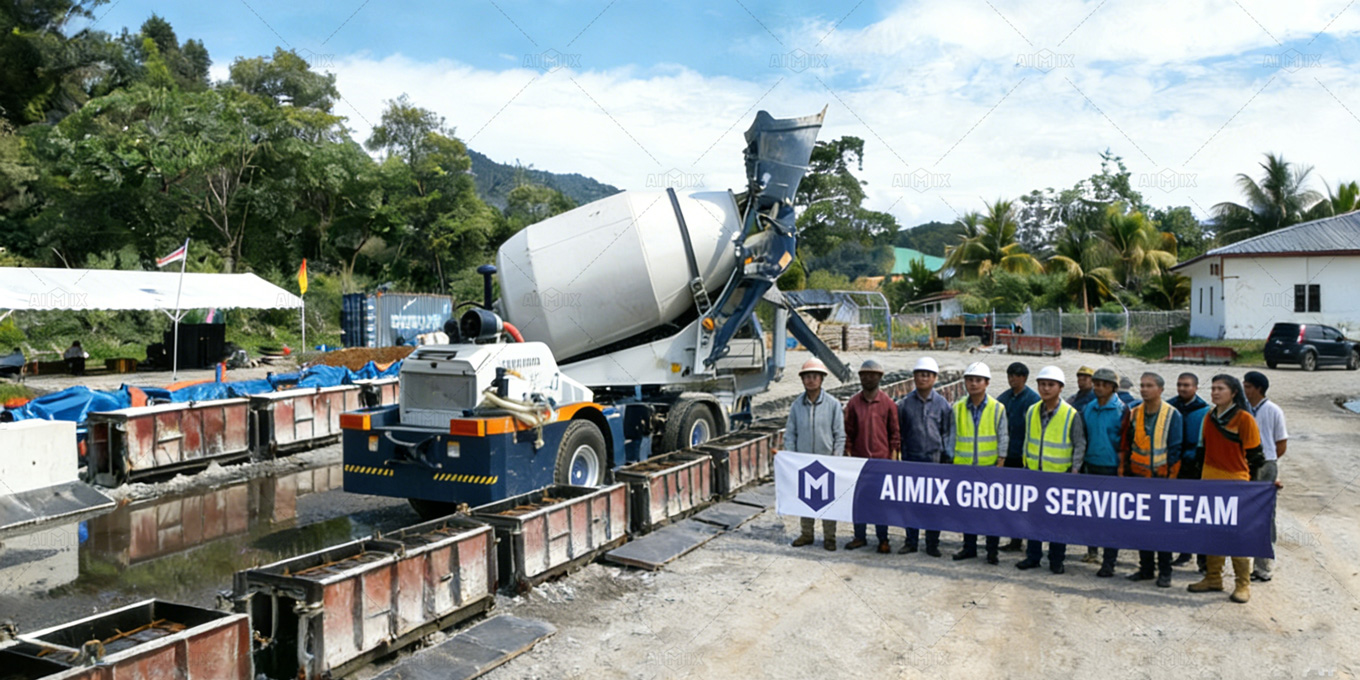
Reliability is frequently undermined by the accumulation of hardened residue within the mixing vessel, a phenomenon known as "sludge accretion." If left unaddressed, this residue shifts the center of gravity, imposing asymmetric loads on the drivetrain and chassis. This mechanical imbalance induces parasitic power losses and heightens the risk of catastrophic structural failure. Operators should employ high-pressure aqueous cleansing systems at the conclusion of every diurnal cycle to maintain the geometric precision of the internal blades. Such meticulousness ensures that the homogeneity of the concrete mix remains consistent with stringent architectural specifications.
Navigating Environmental and Volumetric Extremes
Operating in diverse geographical locales introduces variables that can destabilize even the most robust concrete mixer machine. In arid climates, the evaporation rate of the mixing water can be erratic, demanding real-time adjustments to the batching ratios via the onboard electronic weighing systems. The calibrative accuracy of these load cells is paramount; even a marginal deviation can result in sub-standard concrete strength, necessitating costly rework. Precision in measurement represents the thin line between structural excellence and liability. Furthermore, high-altitude operations require a comprehensive assessment of engine aspiration, as the rarefied atmosphere can lead to incomplete combustion and a subsequent reduction in torque availability.
The integration of advanced telematics allows project managers to monitor the "duty cycle" of the fleet with surgical precision. By analyzing data related to fuel consumption gradients and hydraulic pressure peaks, one can preemptively identify components nearing their fatigue limit. This proactive stance is essential when managing the logistics of "just-in-time" delivery on massive infrastructure projects. The ability to forecast a component failure before it manifests as a total stoppage is the hallmark of a refined operational strategy. It transforms maintenance from a reactive burden into a strategic asset that safeguards the project's financial bottom line.
Human Capital and the Optimization of Machine Interface
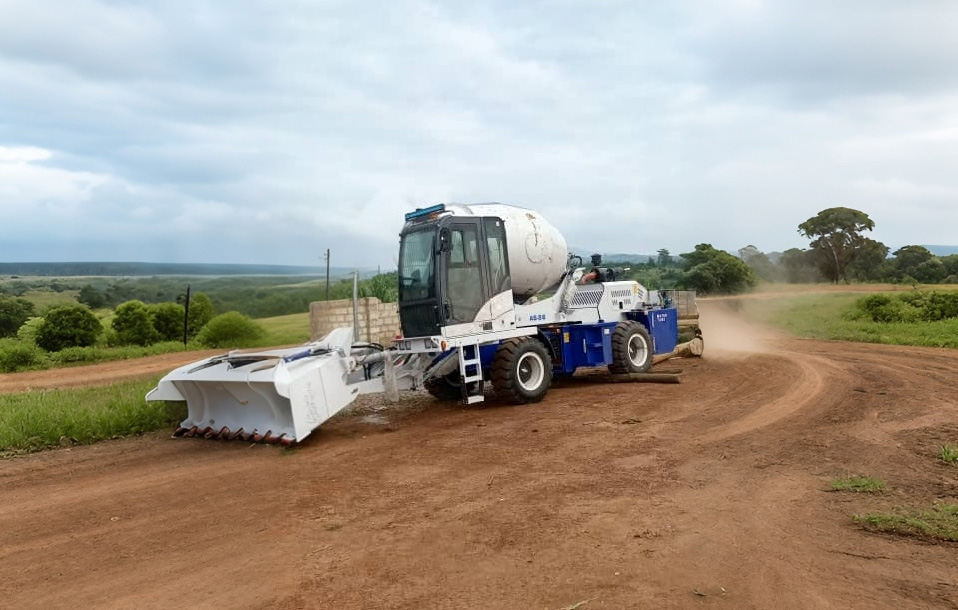
While the mechanical prowess of the self-loading big concrete mixer is formidable, its efficacy is inextricably linked to the proficiency of the human operator. The complexity of managing simultaneous loading, mixing, and discharging sequences requires a high level of cognitive focus and technical literacy. Training programs must emphasize the "kinematic harmony" required to navigate uneven terrain while maintaining a stabilized drum rotation. An inexperienced operator might inadvertently cause cavitation within the hydraulic lines by engaging high-torque functions too abruptly, leading to internal component scarring.
Emphasis should be placed on the interpretative capacity of the crew regarding the mixer’s diagnostic interfaces. Modern units are equipped with a litany of sensors designed to alert the user to nascent irregularities in oil temperature or engine RPM. Cultivating an organizational culture that values the immediate reporting of these "minor" anomalies is vital. In a demanding construction schedule, the temptation to ignore a warning light in favor of immediate throughput is high, yet this shortsightedness often leads to protracted periods of downtime. Ultimate reliability is achieved through the synergy of advanced engineering and disciplined human stewardship, ensuring that the self-loader remains a steadfast pillar of construction productivity.
About the Creator
AIMIX
Construction Machine Manufacturer in China. Find Machines here: https://aimixconcretesolution.com/
Enjoyed the story? Support the Creator.
Subscribe for free to receive all their stories in your feed.
Comments