
Minimizing Pain After Pilonidal Cyst Removal Surgery
pilonidal cyst removal surgery requires a proactive approach to wound care, medication management, and lifestyle adjustments

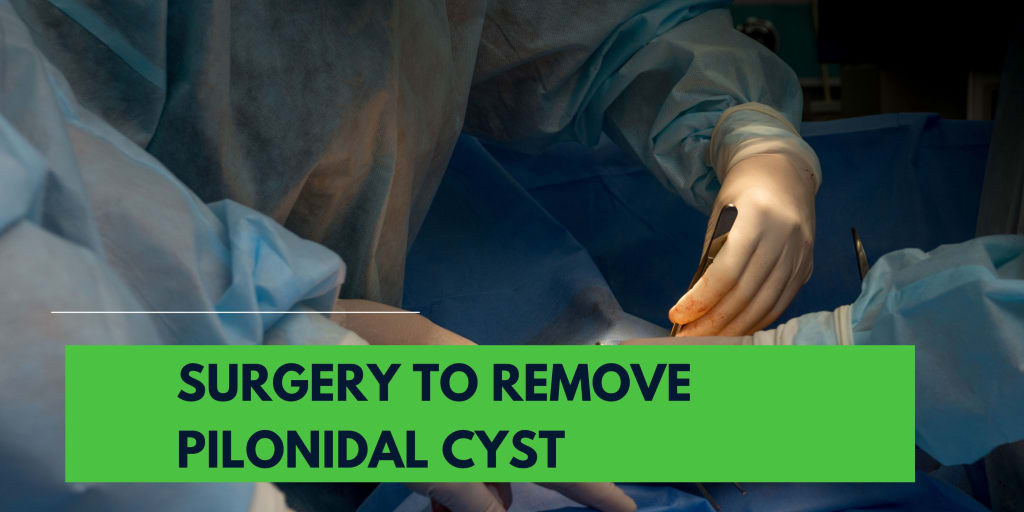
Pilonidal cyst surgery can be very painful and patients can face a number of problems during their recovery period but managing this aspect can have profound impacts on a patient's quality of life. You can decrease the amount of pain that you feel and help heal your body faster through using these practical measures, also through following what your doctor has advised you to do for surgery to remove pilonidal cyst.
1. Care Should Be Taken to Adhere to Postoperative Guidelines
Your surgeon’s instructions are intended to help you heal quickly and with as little discomfort as possible. These may include:
Wound Care: To prepare the skin at the operation site, shave it as instructed usually with mild soap and water.
Dressing Changes: Change dressings as advised with a view of avoiding contamination and skin irritation.
Medication Use: It means that the patient must stick to the schedule for pain relief or antibiotics dosage to avoid development of infection and manage pain appropriately.
Read More: Pilonidal Cyst Treatment Options
2. Aim to Keep Pain at Arm’s Length with Medications
Pain is a common part of recovery, but it can be managed effectively:
Over-the-Counter Pain Relievers: Other drugs such as aspirin, or ibuprofen may be used to ease inflammation and moderate to mild pain.
Prescription Painkillers: For moderate to severe pain, use only relief medication prescribed by your doctor.
Topical Treatments: For localized pain, there are available over the counter numbing creams or gels, it is better to talk to your surgeon about it.
3. Some recommendations which should be followed include:
Keeping the area clean and dry:
Rinse the area in the operation theatre with warm water and dry it with a sterile piece of cloth.
Do not use any powders, creams, or lotions on the skin unless advised to do so by the doctor.
Proprietary clothing should also be worn, and the area should be dry; the clothes also should be changed frequently.
4. Warm Sitz Baths for Relief
Take a warm bath for about 10- 15 minutes and the surgical site should be immersed in the water.
Rinse with PG solution and repeat this process 2 – 3 times daily or as recommended by your surgeon.
It is advisable to dry the area after the bath
5. Minimize Pressure on the Surgical Site
Extended seating can cause strain to the surgical area, and discomfort to the patient.
Individuals can sit on a donut shaped cushion or a standard seat cushion.
It is possible to sit and stand, and avoid putting pressure on the area, besides lying flat on the area for several hours can help to enhance the healing process.
Control body posture in order to have equal bearing weight.
6. Avoid Strenuous Activities
Any work that entails bending, lifting or stretching part of the body is deemed to hurt and elongate the period of recovery.
It is recommended not to practice any activities that require lifting or other strong physical exercise for at least the first two weeks.
Continued light activities and short strolls for enhancing good blood circulation and avoiding stiffness.
Read More: Pilonidal Cysts and Hygiene: Breaking the Stigma Around the Condition
7. Wear Loose and Comfortable Clothing
Tight scrub suits or any clothes that do not allow free breathing over the surgical site may cause soreness at the area and also retain sweat.
Select nonrestrictive clothes of comfortable fabric such as loose clothes that let skin breathe better, especially when choosing a fabric, select an airy one such as cotton material.
Do not wear anything that has constrictive waistbands or seams that will rub the surgical area.
8. Stay Hydrated and Eat a Balanced Diet
Good nutrition supports faster healing and reduces inflammation:
Hydration: Abstain from alcohol and caffeine and enjoy a lot of water to enable the body to recover.
Protein: Take foods with proteins such as lean meat, eggs, beans and nuts with the intention of facilitating tissue repair.
Vitamins: For skin healing, therefore, fresh fruits and vegetables with vitamins A and C should be consumed.
9. Monitor for Signs of Complications
Pain and swelling are normal after surgery, but watch for warning signs of complications, such as:
Worsening of pain which cannot be relieved by pain relieving medication.
Pimples like formation around the area or a rash which seems inflamed.
Presence of pus like discharge, foul smell or fever.
10. Be Patient with Your Recovery
It is called healing and the process is slow but discomfort is on the way out as the skin starts to mend itself.
The same should be done in taking care, and ensure attending follow-up appointments.
At Last
Minimizing pain after pilonidal cyst removal surgery requires a proactive approach to wound care, medication management, and lifestyle adjustments. By following these tips, you can ease discomfort, avoid complications, and focus on recovering effectively. You can even ask the Pilonidal Expert and get all the information you need regarding this concept. If you are confused about what doctor treats a pilonidal cyst, you have a Pilonidal Expert.
About the Creator
NIKZ ZENIFER
Hi there! I'm Nikz Zenifer, a passionate blogger with a love for storytelling, creativity, and connection. Whether it’s lifestyle tips, personal growth insights, travel tales, this blog is your go-to space for fresh ideas
Enjoyed the story? Support the Creator.
Subscribe for free to receive all their stories in your feed.
Comments
There are no comments for this story
Be the first to respond and start the conversation.