
Memory Virtualization: A Key Concept in Cloud Computing
An Introduction to Memory Virtualization in the Cloud
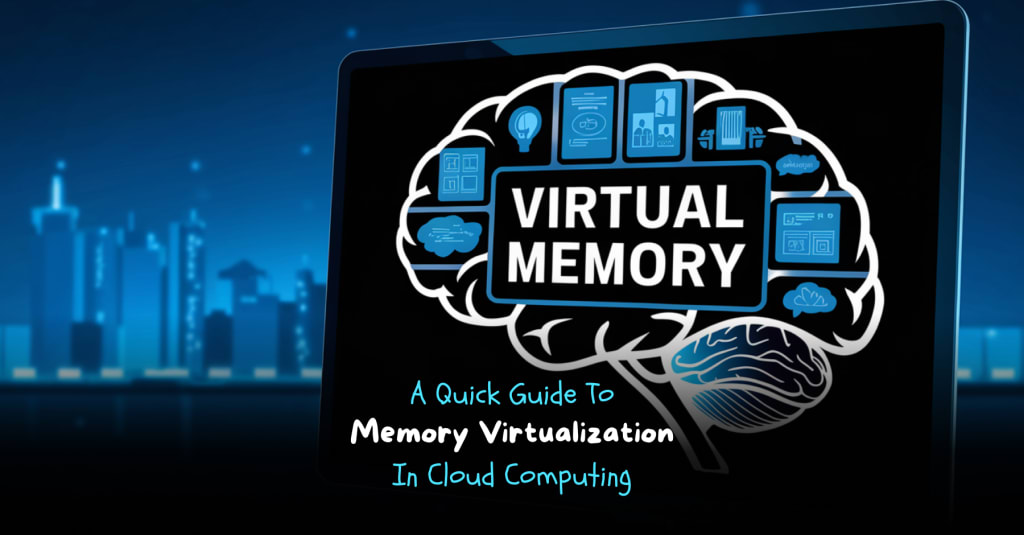
Memory virtualization in cloud computing works similarly to how Loki manages the multiverse in the Disney+ series Loki—ensuring everything operates smoothly and without interference. It allows multiple applications to share the same physical memory while keeping them isolated from each other. This mechanism ensures efficient memory allocation, optimal performance, and prevents crashes or conflicts. The technology dynamically allocates resources based on demand, enabling cloud providers to scale efficiently and reduce costs. By using hypervisors to manage memory, cloud environments can run multiple virtual machines (VMs) seamlessly, without resources being overburdened.
The key benefits of memory virtualization include scalability, cost efficiency, improved performance, and enhanced security. It optimizes resource usage, allows for seamless operations, and supports high-demand applications. While there are challenges like system complexity and performance trade-offs, organizations can mitigate these by optimizing memory allocation and using efficient hypervisors. As technology evolves, memory virtualization will continue to play a vital role in efficient cloud computing.
More Information: https://www.techdogs.com/td-articles/trending-stories/a-quick-guide-to-memory-virtualization-in-cloud-computing
About the Creator
Enjoyed the story? Support the Creator.
Subscribe for free to receive all their stories in your feed.
Comments
There are no comments for this story
Be the first to respond and start the conversation.