
LitRPG Fiction and Gaming
LitRPG Fiction & Gaming: Where Stories and Strategy Collide

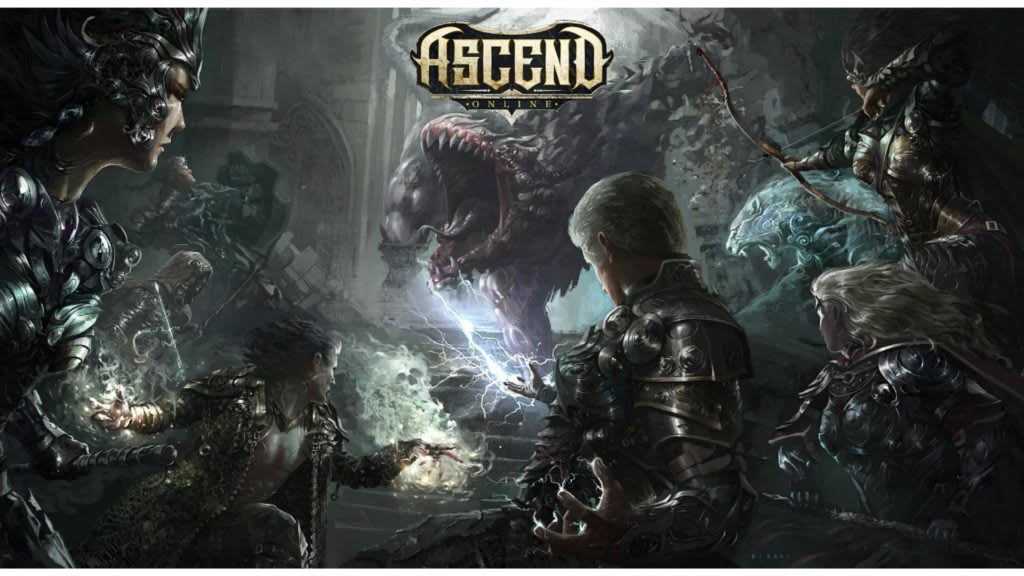
The genre known as LitRPG stands as one of the most popular subcategories within present-day fiction literature. Literary Role-Playing Games are abbreviated as LitRPG to describe stories which combine game elements with immersive narratives for a special reading experience. Modern entertainment experiences significant digital gaming influence, which has turned LitRPG into a major speculating genre of fiction. The rise of LitRPG popularity can be explained through its definition, which combines role-playing games with literature. The next section explores stats, levels and virtual adventures in great detail.
Defining LitRPG
The acronym LitRPG describes Literary Role-Playing Game, which merges traditional storytelling and video game features. The gaming elements within LitRPG distinguish it from traditional fantasy and science fiction by featuring exact game mechanics which include character stats, together with experience points and skill trees, and quests. The protagonists in LitRPG stories become aware of the in-game world rules that guide their actions as their gameplay advancement determines their decisions. The blended mechanics establish an original storytelling method which satisfies all readers from the gaming community and literature readership.
There exists a significant difference between LitRPG literature and both game tie-in novels and choose-your-own-adventure books. LitRPG provides interactive gameplay implemented through a story-based system with organized video game elements. Reading a video game encompasses exploring each progression advancement along with item collection and skill development steps that strengthen the main character.
Origins of LitRPG
Before the publishers EKSMO established “LitRPG” as its official designation during 2013, game-like storytelling ideas had already existed for numerous years. LitRPG concepts existed previously in Sword Art Online starting in 2002 at the same time that The Legendary Moonlight Sculptor published its first chapters in 2007. The Russian market established this genre first before authors Aleron Kong made LitRPG popular in the West through his Chaos Seeds series.
During the time spanning from late 1990s to early 2000s MMORPGs emerged to establish the core elements of the developing genre. The gaming movement introduced World of Warcraft, Runescape, and Everquest into the market during the early 2000s with gameplay elements that became key features within present-day LitRPG literary narratives.
Key Elements of LitRPG
The main character enters a simulated game-like dimension that happens through either VR technology, trans-dimensional isekai jumps, or alternative science fiction methods.
- The plot progresses through a combination of stats, progression levels, skill tree systems, with experience point management.
- The character keeps full awareness of their advancements and maintains full comprehension of the world's operational principles.
- The main character makes active development through power upgrades and acquires advanced abilities while tackling progressively harder difficulties in the storyline.
- nějaký od hráče v RPG zaznamuje cíl pro dosažení jako v tradičních hraních řetězcích dohlížeje postavu.
Popular LitRPG Themes and Subgenres
LitRPG offers a variety of themes that cater to different reader preferences. Some popular subgenres include:
The main character protects their dungeon territory as they act from inside the dungeon itself.
The storytelling emphasizes developing skills alongside creating artifacts and potable substances.
The game combines RPG and romance mechanics by allowing players to have multiple romantic options.
Grimdark exists as a pessimist version of LitRPG that shows brutal realism through its survival-based progression system.
The protagonist assumes the role of almighty builder who establishes towns and fortresses as well as entire civilizations inside the video game realm.
The protagonist begins powerless at first before developing into a character that becomes virtually invincible.
Notable LitRPG Authors and Works
Aleron Kong succeeded in establishing his place as the "Father of American LitRPG through his creation of the bestselling Chaos Seeds series.
Through his work Awaken Online, Travis Bagwell presents a darker version of LitRPG that portrays a main character with complex moral dimensions.
Edwin McRae published Reign of Blood which joins game engine principles with the history of vampires.
Dakota Krout created Divine Dungeon which stands as a dungeon-core novel with its dungeon entity acting as the main character.
Life Reset narrates the story of a goblin who struggles to endure the dangerous conditions of a game universe according to author Shemer Kuznits.
Why Readers Love LitRPG
The genre’s explosive popularity can be attributed to several factors:
Through game-like mechanisms readers obtain the pleasure of leveling up and opening new abilities while completing quests without actually playing digital games.
A distinctive feature of LitRPG literature is its numerical representation of character development throughout the story.
The RPG mechanics solution delivers both an active and exciting narrative to readers.
The story lets readers transform their imagination into powerful roles of champions and spellcasters and strategic minds.
Writing a LitRPG Novel
For aspiring writers, creating a LitRPG novel requires careful attention to both storytelling and game mechanics. Here’s how to get started:
Create an entire systematic structure to identify experience point mechanisms and rules for skill growth and character advancement paths.
Every energetic protagonist needs clear reasons for support, though their growth needs to be noticeable.
Choose an interactive gaming system that offers entire environments together with non-playable characters along with well-developed background components.
The development of both narrative and combat sequences needs equal importance because engaging stories lengthen reader engagement.
Organic approaches should be used for mechanical introduction rather than providing an excessive amount of statistics to the readers.
The Future of LitRPG
Quick advancements in scientific fields enable reality and virtual domains to assimilate into each other at an unprecedented pace. New developments in virtual reality gaming and artificial intelligence technology and metaverse creation will drive transformations of the LitRPG literary genre. LitRPG literature exists definitively in the present day regardless of whether it focuses on fantasy or develops hard science fiction and cyberpunk adaptations.
Conclusion
In LitRPG stories readers find an interactive reading experience because these narratives bring together literary elements and game features. Audiences accept LitRPG due to its structured multiple storyline advancement and interactive world-building capabilities and rapid storyline progression. People who like creating or reading heroic content in the LitRPG genre will find unlimited opportunities in this genre.
Adventure seekers should embark on the latest literary experience. The game has only just begun!
About the Creator
Mudasir Ai
Link Builder Expert
Enjoyed the story? Support the Creator.
Subscribe for free to receive all their stories in your feed.
Comments
There are no comments for this story
Be the first to respond and start the conversation.