
Leadership Summit 2026 Highlights Strategies To Navigate Economic Downturns Without Losing Momentum
Discover how experts of the upcoming 2026 leadership summit explain strategies for maintaining momentum and driving growth in uncertain times


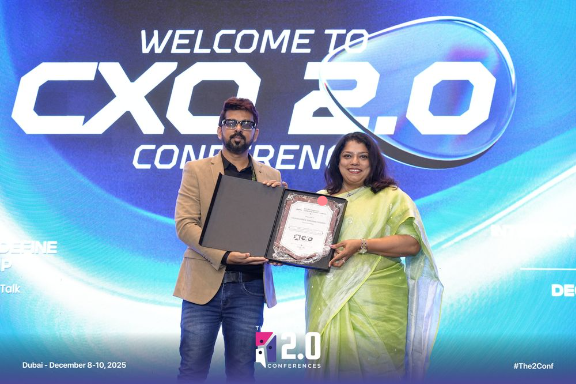
Economic downturns are inevitable, but losing momentum is not. The difference between organizations that stall and those that grow during uncertainty often comes down to leadership strategy. As per the highlights shared by the experts of the upcoming leadership summit, such as the CXO 2.0 Conference, smart leaders do not just react to downturns. They reposition, optimize, and prepare for the next wave of growth.
According to a McKinsey report, companies that take proactive strategic actions during downturns outperform peers by up to 30 percent in recovery phases. This highlights a critical truth: downturns reward disciplined and forward-thinking leadership.
Navigating Economic Downturns With Strategic Focus
Navigating a downturn effectively means maintaining operational stability while positioning the organization for future growth. It is not just about cost-cutting. It involves balancing resilience with innovation.
Some of the key elements shared by the 2026 business leadership event’s experts include:
- Cash Flow Management
Focus on optimizing expenses while continuing to fund critical growth areas. This ensures stability without compromising long-term progress.
- Customer Relationships
Build trust through consistent communication and value-driven engagement. Strong relationships help sustain loyalty during uncertain times.
- Smart Investments
Prioritize investments that offer clear and measurable returns. Strategic allocation of resources can create competitive advantages even in downturns.
- Team Morale
Support employees with transparent leadership and a positive work environment. A motivated team is essential for resilience and sustained performance.
Smart leaders treat downturns as strategic inflection points rather than periods of pause.
Reasons Why Some Leaders Lose Momentum During Downturns
Many organizations lose momentum due to reactive decision-making. Common pitfalls include:
- Aggressive cost-cutting that impacts core capabilities.
- Lack of clear communication with teams.
- Delayed decision-making due to uncertainty.
- Ignoring innovation and digital transformation.
A Harvard Business Review analysis found that companies that cut deeply into innovation and marketing budgets during downturns often struggle to regain competitive advantage, whereas those that balance selective pruning with future-focused investments outperform rivals post-recession.

Strategies Smart Leaders Use To Sustain Momentum
1. Prioritize Financial Discipline Without Stifling Growth
According to the experts of the upcoming leadership summit, smart leaders focus on optimizing costs rather than eliminating them blindly.
Checklist for financial discipline:
- Identify non-essential expenses
- Protect revenue-generating functions
- Maintain investment in strategic initiatives
- Build cash reserves for flexibility
Example: During the 2008 recession, Amazon continued investing in infrastructure and Kindle innovation while managing operational efficiency, leading to long-term market dominance.
2. Double Down On Customer Value
Customer loyalty becomes even more critical during economic uncertainty.
Actionable steps:
- Enhance customer support and engagement
- Offer flexible pricing or payment options
- Focus on solving immediate customer pain points
- Gather feedback to refine offerings
Data Insight: Bain & Company reports that increasing customer retention by just 5% can boost profits by 25% to 95%.
3. Invest in Innovation And Digital Transformation
Contrary to instinct, downturns are ideal for innovation.
Smart leaders:
- Accelerate digital adoption
- Explore new business models
- Invest in automation and efficiency tools
Case Study: Microsoft shifted aggressively toward cloud computing (Azure) during the economic uncertainty of the late 2000s, a move that became its primary growth engine.
4. Strengthen Internal Culture And Leadership Communication
Transparent communication builds trust and stability.
Best practices:
- Share realistic updates with employees
- Align teams around clear priorities
- Recognize and reward adaptability
Data Insight: Gallup research shows that organizations with highly engaged teams experience 21% higher profitability, even during challenging periods.
5. Focus On Strategic Agility
Agility allows organizations to respond quickly to changing conditions.
Key components:
- Scenario planning
- Data-driven decision-making
- Flexible resource allocation
Smart leaders continuously evaluate market signals and adjust strategies accordingly.
Role Of Data In Navigating Economic Downturns
Data plays a critical role in guiding decisions during uncertainty. Leaders can:
- Use Real-Time Analytics To Track Performance
This helps in identifying shifts in revenue, costs, or operational efficiency as they happen. Timely insights allow leaders to take corrective action before small issues escalate.
- Monitor Market Trends And Customer Behavior
Understanding changing demand patterns ensures that businesses remain relevant. It also helps in refining offerings and aligning strategies with current market needs.
- Identify Early Warning Signals
Tracking key indicators can highlight risks such as declining sales or reduced engagement. This allows organizations to act proactively rather than reacting too late.
- Support Decisions With Evidence
Data-backed decisions improve accuracy and reduce uncertainty. They also build confidence among stakeholders and ensure alignment across teams.
Organizations that rely on data-driven strategies are more likely to adapt quickly and maintain momentum.
Key Traits Of Resilient Leaders
As per the highlights shared by the experts of the upcoming leadership event, such as the CXO 2.0 Conference, successful leaders share common characteristics.
- Decisiveness Under Pressure: Make timely and confident decisions even in uncertain and high-stress situations.
- Long-Term Vision: Stay focused on future goals while managing immediate challenges.
- Emotional Intelligence: Understand and manage emotions to lead teams with empathy and clarity.
- Adaptability: Quickly adjust strategies in response to changing environments and new challenges.
- Strong Communication Skills: Clearly convey direction and maintain transparency to build trust and alignment.
These traits enable them to balance short-term survival with long-term growth.
How Can Businesses Turn Downturns Into Growth Opportunities?
Turning challenges into opportunities requires a shift in mindset.
Steps to capitalize on downturns:
- Identify market gaps created by competitors pulling back
- Acquire undervalued assets or talent
- Strengthen brand positioning through consistent messaging
- Build strategic partnerships
Example: Airbnb revamped its user experience and expanded its "Experiences" offerings during the travel industry's most challenging periods, leading to a stronger market position post-crisis.
Common Mistakes To Avoid During Economic Downturns
Avoiding these missteps can help organizations prevent long-term setbacks and stay competitive.
- Cutting High-Performing Teams: Letting go of top talent can weaken core capabilities and slow recovery.
- Ignoring Customer Experience: Neglecting customer needs can lead to loss of trust and long-term loyalty.
- Freezing Innovation Efforts: Pausing innovation can cause businesses to fall behind competitors.
- Delaying Critical Decisions: Hesitation in decision-making can worsen challenges and reduce opportunities.
- Over-Focusing On Short-Term Survival: Ignoring long-term strategy can limit future growth and sustainability.
Smart leaders understand that survival and growth are not mutually exclusive.
Practical Leadership Checklist For Downturn Resilience
Use this quick checklist to stay on track:
- Financial Visibility: Maintain a clear and updated view of finances to support informed decisions.
- Consistent Communication: Keep teams aligned and engaged through regular and transparent updates.
- Protect Core Functions: Ensure essential business operations remain stable and effective.
- Selective Innovation: Invest in ideas that offer strong potential for growth and differentiation.
- Customer Monitoring: Track changing customer needs to adapt strategies accordingly.
- Agility And Adaptability: Stay flexible and ready to adjust plans as situations evolve.
What Can Leaders Do Next? Leadership Summit 2026 Takeaways
Economic downturns test leadership, but they also reveal opportunities. Smart leaders do not retreat. They recalibrate. According to the experts of the 2026 leadership summit, such as the CXO 2.0 Conference, by focusing on financial discipline, customer value, innovation, and agility, organizations can maintain momentum and emerge stronger.
The next step is clear: assess your current strategy, identify gaps, and take decisive action today. Momentum is not lost in downturns. It is either protected or rebuilt by leadership choices.
About the Creator
CXO 2.0 Conference
The CXO 2.0 Conference brings together the crème de la crème of the corporate world. It is a three-day summit designed to facilitate insightful dialogue among top-tier leaders from globally recognized firms and flourishing startups.
Enjoyed the story? Support the Creator.
Subscribe for free to receive all their stories in your feed.
Comments
There are no comments for this story
Be the first to respond and start the conversation.