
Lactation Cookies: Benefits, Ingredients, Safety, and How They Work
Squibler AI Story Generator
Introduction
Lactation cookies have become one of the most popular snacks for breastfeeding moms who want a simple, tasty, and convenient way to support milk production. These cookies are often made with ingredients traditionally used by nursing mothers, such as oats, brewer’s yeast, flaxseed, and healthy fats. For many new moms, lactation cookies feel like an easy addition to a busy postpartum routine because they can be eaten quickly, stored easily, and enjoyed as a snack between feeds.
But what exactly are lactation cookies? Do lactation cookies really work? When should you eat them? Are lactation cookies safe during breastfeeding or pregnancy? These are common questions, especially for first-time mothers who are trying to understand how to maintain or improve their breast milk supply.
This guide explains everything you need to know about lactation cookies, including what they are, how they may help breastfeeding moms, which ingredients are commonly used, how many lactation cookies to eat, and what to consider before adding them to your daily routine.
What Are Lactation Cookies?
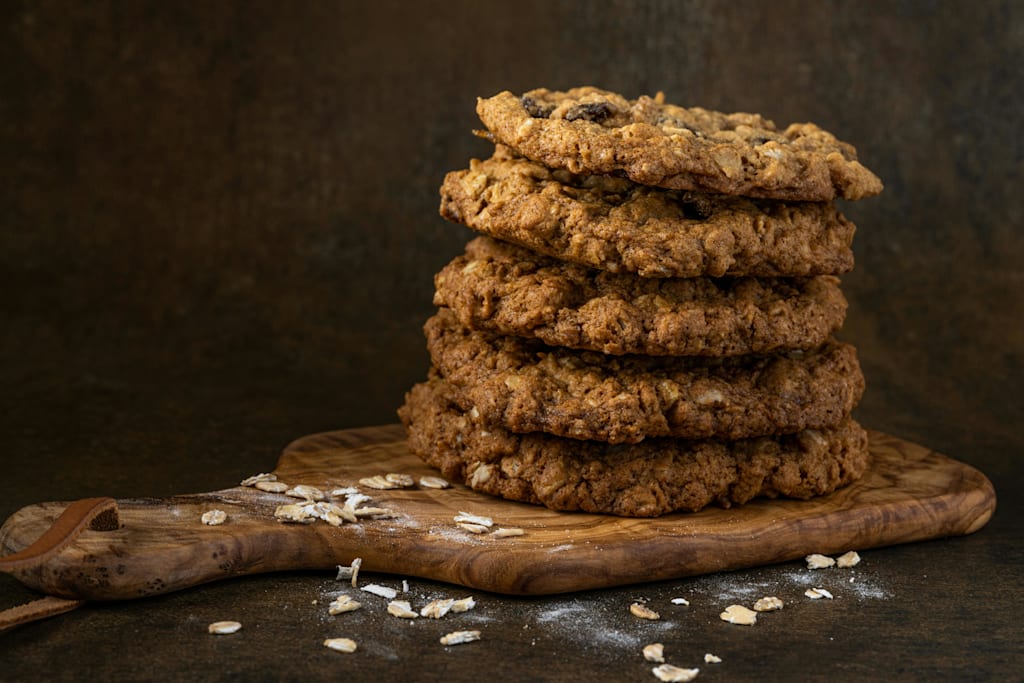
Lactation cookies are cookies made with ingredients that are commonly believed to support breast milk production. They look and taste similar to regular cookies, but they usually include special ingredients known as galactagogues. A galactagogue is a food, herb, or substance that is traditionally used to help promote or support milk supply in breastfeeding women.
Common ingredients in lactation cookies include:
- Rolled oats
- Brewer’s yeast
- Ground flaxseed
- Coconut oil or butter
- Nut butters
- Whole wheat flour
- Chia seeds
- Fenugreek in some recipes
- Dark chocolate chips
- Nuts and seeds
Unlike supplements or herbal capsules, lactation cookies are usually positioned as a food-based option. Many moms prefer them because they feel less clinical and more enjoyable than taking pills or drinking teas.
Lactation cookies can be homemade or store-bought. Homemade lactation cookies allow you to control the ingredients, sweetness, and allergens. Store-bought lactation cookies are more convenient and often come in different flavors, such as chocolate chip, oatmeal raisin, peanut butter, coconut, and double chocolate.
Why Are Lactation Cookies Popular?
Lactation cookies have become popular because they combine comfort food with postpartum wellness. Breastfeeding can be demanding, especially in the early weeks after birth. New mothers often feel hungry, tired, and short on time. A ready-to-eat snack that may support milk supply is appealing.
There are several reasons lactation cookies are popular among breastfeeding moms.
First, they are convenient. A new mom can eat a cookie while nursing, pumping, or resting. Second, they are usually calorie-dense, which can be useful because breastfeeding requires additional energy. Third, they are easy to batch-make and freeze. Fourth, many lactation cookie recipes include whole grains, fiber, and healthy fats, which can help moms feel fuller between meals.
Another reason lactation cookies are popular is emotional comfort. The postpartum period can feel overwhelming. Having a snack that feels nurturing and enjoyable can be comforting, even if the direct impact on milk supply varies from person to person.
How Do Lactation Cookies Work?
Lactation cookies are designed to work by combining nutrient-rich ingredients with traditional milk-supporting foods. The idea is that ingredients like oats, brewer’s yeast, and flaxseed may help support the body’s ability to produce breast milk.
However, it is important to understand that lactation cookies are not a guaranteed solution for low milk supply. Breast milk production is mainly driven by demand and supply. This means the more frequently milk is removed from the breasts through nursing or pumping, the more signals the body receives to produce milk.
Lactation cookies may help some moms because they provide:
- Extra calories
- Carbohydrates for energy
- Fiber
- B vitamins
- Iron
- Healthy fats
- Hydration support when eaten with fluids
- Traditional galactagogue ingredients
For a breastfeeding mother who is not eating enough, skipping meals, or feeling depleted, lactation cookies may help indirectly by improving overall nourishment. For a mother with supply issues caused by poor latch, infrequent feeding, hormonal factors, certain medications, or medical conditions, cookies alone are unlikely to solve the problem.
The best way to think about lactation cookies is as a supportive snack, not a medical treatment.
Key Ingredients in Lactation Cookies
The effectiveness and nutritional value of lactation cookies depend heavily on the ingredients used. Some cookies are closer to regular desserts, while others are made with nutrient-dense ingredients that may better support breastfeeding moms.
1. Oats
Oats are one of the most common ingredients in lactation cookies. Many breastfeeding moms use oatmeal, oat bars, and oat-based cookies as part of their postpartum diet.
Oats are rich in fiber, complex carbohydrates, and important minerals such as iron and magnesium. Low iron levels may affect energy and overall wellness, so eating iron-containing foods can be helpful during the postpartum period.
Oats also help make lactation cookies filling. Since breastfeeding moms often feel hungry, oats can provide longer-lasting energy compared with refined flour alone.
2. Brewer’s Yeast for Lactation cookies
Brewer’s yeast is another popular ingredient in lactation cookies. It is a nutritional yeast-like ingredient that has a slightly bitter flavor. It is rich in B vitamins, protein, and minerals.
Many lactation cookie recipes include brewer’s yeast because it is traditionally used by breastfeeding mothers. However, it has a strong taste, so recipes often balance it with chocolate chips, nut butter, cinnamon, or sweeteners.
Brewer’s yeast is not the same as baking yeast. Baking yeast is used to help bread rise, while brewer’s yeast is typically used as a nutritional ingredient.
3. Flaxseed
Ground flaxseed is often included in lactation cookies because it contains fiber, omega-3 fatty acids, and plant compounds called lignans. Flaxseed also helps improve the texture of cookies and can be used as an egg substitute in vegan recipes when mixed with water.
Ground flaxseed is generally preferred over whole flaxseed because it is easier for the body to digest. Whole flaxseeds may pass through the digestive system without being fully absorbed.
4. Healthy Fats
Breastfeeding moms need healthy fats as part of a balanced diet. Lactation cookies may include fats from butter, coconut oil, olive oil, nut butters, chia seeds, walnuts, almonds, or flaxseed.
Healthy fats help make cookies more satisfying and can support overall calorie intake. This can be useful for moms who are struggling to eat enough while caring for a newborn.
5. Protein-Rich Ingredients
Some lactation cookie recipes include protein powder, peanut butter, almond butter, eggs, nuts, or seeds. Protein can help with fullness and postpartum recovery.
If you are buying lactation cookies, check whether they are mostly sugar and flour or whether they include meaningful sources of protein and fiber.
6. Fenugreek
Some lactation cookies include fenugreek, an herb commonly used in lactation teas and supplements. Fenugreek may not be suitable for everyone, and some moms prefer to avoid it because it can cause digestive discomfort or interact with certain health conditions.
If a lactation cookie contains fenugreek, it is a good idea to speak with a healthcare provider or lactation consultant before eating it regularly, especially if you are pregnant, diabetic, taking medications, or have allergies.
Do Lactation Cookies Really Work?
This is one of the most common questions: do lactation cookies really increase milk supply?
The honest answer is that lactation cookies may help some breastfeeding moms, but they do not work the same way for everyone. Some mothers report noticing fuller breasts, increased pumping output, or improved milk supply after eating lactation cookies. Others do not notice a major difference.
There are a few reasons results vary.
- Milk supply depends on many factors, including:
- How often the baby nurses
- How effectively the baby removes milk
- Pumping frequency
- Hormonal health
- Hydration
- Calorie intake
- Stress and sleep
- Postpartum recovery
- Medical conditions
- Medications
- Breast surgery history
If a mother’s milk supply is low because the baby is not latching well or milk is not being removed often enough, lactation cookies alone are unlikely to fix the issue. In that case, working with an International Board Certified Lactation Consultant, often called an IBCLC, may be more helpful.
If a mother is under-eating, feeling depleted, or not getting enough nutrient-dense foods, lactation cookies may help by adding calories and supportive ingredients.
When Should You Eat Lactation Cookies?
Many moms start eating lactation cookies after giving birth, especially once breastfeeding is established or if they are concerned about supply. Some eat them during the early postpartum period, while others use them later when returning to work, pumping more often, or experiencing a temporary supply dip.
Common times to eat lactation cookies include:
- After morning nursing
- Before or after pumping
- As an afternoon snack
- During nighttime feeds
- When returning to work
- During growth spurts
- Before freezer-stash pumping sessions
Some moms prefer to eat one lactation cookie in the morning and one later in the day. Others eat them only when they feel they need extra support.
It is usually best to start with one cookie per day and see how your body responds. If the cookie is high in sugar or calories, eating too many may not be ideal.
How Many Lactation Cookies Should I Eat?
The right number of lactation cookies depends on the recipe, serving size, ingredients, and your personal nutrition needs. Many store-bought lactation cookies recommend one to two servings per day. Homemade cookies vary widely in size and strength, especially depending on how much brewer’s yeast or flaxseed they contain.
A practical starting point is:
- Start with one lactation cookie per day.
- Increase to two per day if desired.
- Monitor your digestion, energy, and milk supply.
- Avoid replacing balanced meals with cookies.
Eating more lactation cookies does not always mean more milk. In fact, eating too many cookies can add excess sugar and calories without addressing the real cause of supply concerns.
If you are dealing with ongoing low supply, it is better to combine good nutrition with frequent nursing or pumping and professional lactation support.
How Long Do Lactation Cookies Take to Work?
Some moms say they notice a difference within 24 to 48 hours. Others may need several days. Some may not notice any measurable change at all.
The timeline depends on the person and the cause of the supply issue. If lactation cookies help because they improve calorie intake, hydration habits, or nutrient intake, the effect may be gradual. If your supply concern is related to milk removal, latch, or pumping schedule, cookies may not produce noticeable results unless those issues are also addressed.
A good approach is to track your supply for several days before and after adding lactation cookies. If you pump, you can compare pumping output at similar times of day. If you exclusively nurse, you can monitor wet diapers, weight gain, baby satisfaction after feeds, and feeding patterns.
Are Lactation Cookies Safe?
For most breastfeeding moms, lactation cookies made with normal food ingredients are generally safe when eaten in moderation. However, safety depends on the ingredients.
Things to watch for include:
- Food allergies
- Gluten sensitivity
- Nut allergies
- High sugar content
- Herbal ingredients such as fenugreek
- Digestive discomfort from brewer’s yeast
- Excess calories if eaten in large amounts
If you have diabetes, blood sugar concerns, thyroid conditions, food allergies, or take medications, check the ingredients carefully. Some lactation cookies are basically dessert cookies with added galactagogues, so they may not be appropriate for everyone.
Also, if your baby seems unusually gassy, fussy, or uncomfortable after you introduce lactation cookies, consider whether a new ingredient may be affecting either you or your baby.
Can You Eat Lactation Cookies While Pregnant?
Some women wonder whether they can eat lactation cookies before giving birth. In many cases, lactation cookies made from basic ingredients like oats, flour, butter, flaxseed, and chocolate chips may be similar to regular cookies. However, cookies that include herbs or concentrated galactagogues may not be appropriate during pregnancy.
If a lactation cookie contains fenugreek or other herbal ingredients, it is best to ask your healthcare provider before eating it while pregnant. Pregnancy is a time when certain herbs should be used cautiously.
If you are simply looking for a nutritious pregnancy snack, you may prefer oatmeal cookies made with oats, nut butter, and seeds but without strong lactation-focused herbs.
Homemade Lactation Cookies vs Store-Bought Lactation Cookies
Both homemade and store-bought lactation cookies have advantages.
Homemade Lactation Cookies
Homemade lactation cookies are a good option if you want control over ingredients. You can reduce sugar, avoid allergens, increase protein, or make the cookies gluten-free or dairy-free.
Benefits of homemade lactation cookies include:
- Lower cost per cookie
- Ingredient control
- Fresh taste
- Custom flavors
- Ability to freeze batches
- Easier to adjust sweetness
The downside is that homemade cookies take time and energy, which can be difficult with a newborn.
Store-Bought Lactation Cookies
Store-bought lactation cookies are convenient. They are ready to eat, portion-controlled, and available in different flavors. They are useful for busy moms, working moms, or anyone who does not want to bake.
Benefits of store-bought lactation cookies include:
- Convenience
- Consistent serving size
- Easy to keep in a diaper bag
- No baking required
- Often individually wrapped
The downside is that store-bought options can be expensive and may contain more sugar or processed ingredients than homemade recipes.
Best Flavors for Lactation Cookies
Lactation cookies come in many flavors. The best flavor depends on your taste preferences, but some flavors are especially popular because they pair well with oats and brewer’s yeast.
Popular lactation cookie flavors include:
- Chocolate chip oatmeal
- Double chocolate
- Peanut butter chocolate chip
- Oatmeal raisin
- Coconut almond
- Banana oat
- Pumpkin spice
- Cinnamon oatmeal
- White chocolate cranberry
- Brownie-style lactation cookies
Chocolate chip oatmeal is often the most popular because chocolate helps balance the bitterness of brewer’s yeast.
Simple Lactation Cookies Recipe
Here is a basic homemade lactation cookies recipe that can be adapted based on your preferences.
Ingredients
- 2 cups rolled oats
- 1 cup whole wheat flour or all-purpose flour
- 2 tablespoons ground flaxseed
- 3 tablespoons water
- 2 tablespoons brewer’s yeast
- ½ cup butter or coconut oil
- ½ cup brown sugar
- ¼ cup honey or maple syrup
- 1 egg
- 1 teaspoon vanilla extract
- ½ teaspoon baking soda
- ½ teaspoon cinnamon
- ¼ teaspoon salt
- ½ cup chocolate chips
- ¼ cup chopped nuts or seeds, optional
Instructions
- Preheat the oven to 350°F.
- Mix ground flaxseed with water and let it sit for 5 minutes.
- In a large bowl, cream butter or coconut oil with brown sugar.
- Add egg, vanilla, and the flaxseed mixture.
- In another bowl, combine flour, brewer’s yeast, baking soda, cinnamon, and salt.
- Add dry ingredients to wet ingredients.
- Stir in oats, chocolate chips, and nuts or seeds.
- Scoop dough onto a lined baking sheet.
- Bake for 10 to 12 minutes.
- Cool before eating.
These cookies can be stored in an airtight container for several days or frozen for later.
Who Should Consider Lactation Cookies?
Lactation cookies may be a good option for:
- Breastfeeding moms who want a convenient snack
- Pumping moms who need extra calories
- Moms returning to work
- Moms trying to build a freezer stash
- Moms who enjoy oat-based snacks
- Moms looking for a food-based lactation support option
- Moms who feel hungry between meals
They may not be the best option for:
- Moms with blood sugar concerns
- Moms with yeast sensitivity
- Moms with food allergies
- Moms who dislike sweet snacks
- Moms who need urgent help with low supply
- Moms whose baby has poor weight gain
In serious supply situations, lactation cookies should not replace professional help.
Lactation Cookies for Pumping Moms
Pumping moms often use lactation cookies to support pumping output, especially when returning to work or trying to build a freezer stash. Eating a lactation cookie before or after pumping can become part of a routine.
However, pumping output can vary based on time of day, stress, pump quality, flange size, and how recently the baby fed. If your pumping output is low, do not assume your body is failing. It may be a pump issue, schedule issue, or fit issue.
Lactation cookies can be a helpful snack, but pumping success usually depends more on consistency, comfort, and effective milk removal.
Lactation Cookies for Working Moms
Returning to work while breastfeeding can be stressful. Many moms worry about maintaining supply while away from their baby. Lactation cookies can be convenient because they are easy to pack in a work bag, desk drawer, or pumping bag.
For working moms, lactation cookies may be useful as:
- A pre-pumping snack
- A quick breakfast option
- An afternoon energy boost
- A travel-friendly snack
- A way to avoid skipping meals
Pairing lactation cookies with water, milk, or a protein-rich food can make the snack more balanced.
Do Lactation Cookies Have Side Effects?
Lactation cookies can have side effects depending on the ingredients and how many you eat.
Possible side effects include:
- Gas
- Bloating
- Upset stomach
- Headaches in sensitive individuals
- Blood sugar spikes
- Allergic reactions
- Unwanted weight gain if overeaten
Brewer’s yeast may cause digestive discomfort in some people. Fenugreek may also cause side effects and is not suitable for everyone.
Start slowly and pay attention to how your body responds.
Lactation Cookies vs Lactation Brownies
Lactation brownies are similar to lactation cookies but usually richer and more dessert-like. They may contain oats, flaxseed, and brewer’s yeast, but often include cocoa powder and chocolate.
Lactation brownies may be a good choice if you dislike the taste of brewer’s yeast because chocolate can hide the bitterness. However, brownies may also be higher in sugar and fat.
Both lactation cookies and lactation brownies should be viewed as supportive snacks rather than guaranteed milk boosters.
Frequently Asked Questions About Lactation Cookies
What are lactation cookies?
Lactation cookies are cookies made with ingredients commonly used to support breastfeeding mothers, such as oats, brewer’s yeast, flaxseed, and healthy fats.
Do lactation cookies increase milk supply?
Lactation cookies may help some moms, but they do not work for everyone. Milk supply depends mainly on frequent and effective milk removal through nursing or pumping.
When should I start eating lactation cookies?
Many moms start eating lactation cookies after giving birth. Some eat them when breastfeeding is established, while others use them during pumping, growth spurts, or supply dips.
How many lactation cookies should I eat per day?
Many moms start with one lactation cookie per day and increase to two if desired. Always check the serving size and ingredients.
How quickly do lactation cookies work?
Some moms notice changes within 24 to 48 hours, while others may not notice a difference. Results vary.
Can I eat lactation cookies while pregnant?
Basic oat cookies may be fine for many pregnant women, but lactation cookies with herbs such as fenugreek should be discussed with a healthcare provider first.
Are lactation cookies safe while breastfeeding?
For most breastfeeding moms, lactation cookies made with common food ingredients are generally safe in moderation. Check for allergens, herbs, and sugar content.
Can lactation cookies cause gas?
Yes, some ingredients such as brewer’s yeast, flaxseed, or added fiber may cause gas or bloating in some people.
Do lactation cookies work better than oatmeal?
Not necessarily. Oatmeal and lactation cookies often share similar ingredients. Lactation cookies may include additional ingredients like brewer’s yeast and flaxseed.
Can I freeze lactation cookies?
Yes. Most homemade lactation cookies freeze well. Store them in an airtight container or freezer bag and thaw as needed.
Final Thoughts
Lactation cookies are a popular breastfeeding snack made with ingredients such as oats, brewer’s yeast, flaxseed, and healthy fats. They may help some moms support milk supply, especially when combined with frequent nursing or pumping, good hydration, and enough daily calories.
However, lactation cookies are not a guaranteed fix for low milk supply. They work best as a supportive food, not as a replacement for proper breastfeeding support. If you are worried about your milk supply, your baby’s weight gain, or pumping output, it is important to speak with a lactation consultant or healthcare provider.
For many breastfeeding mothers, lactation cookies can be a comforting, convenient, and enjoyable part of postpartum life. Choose high-quality ingredients, eat them in moderation, and use them as one piece of a larger breastfeeding support plan.
About the Creator
Rajiv Menon
Rajiv is a seasoned technology evangelist passionate about driving digital transformation and innovation across industries.
Enjoyed the story? Support the Creator.
Subscribe for free to receive all their stories in your feed.
Comments
There are no comments for this story
Be the first to respond and start the conversation.