
How U.S. Defense Supply Chains Are Adapting to Rising Demand for NSN-Certified Aircraft Components
Strengthening Reliability and Readiness Through Smarter Sourcing and Modern Supply Strategies

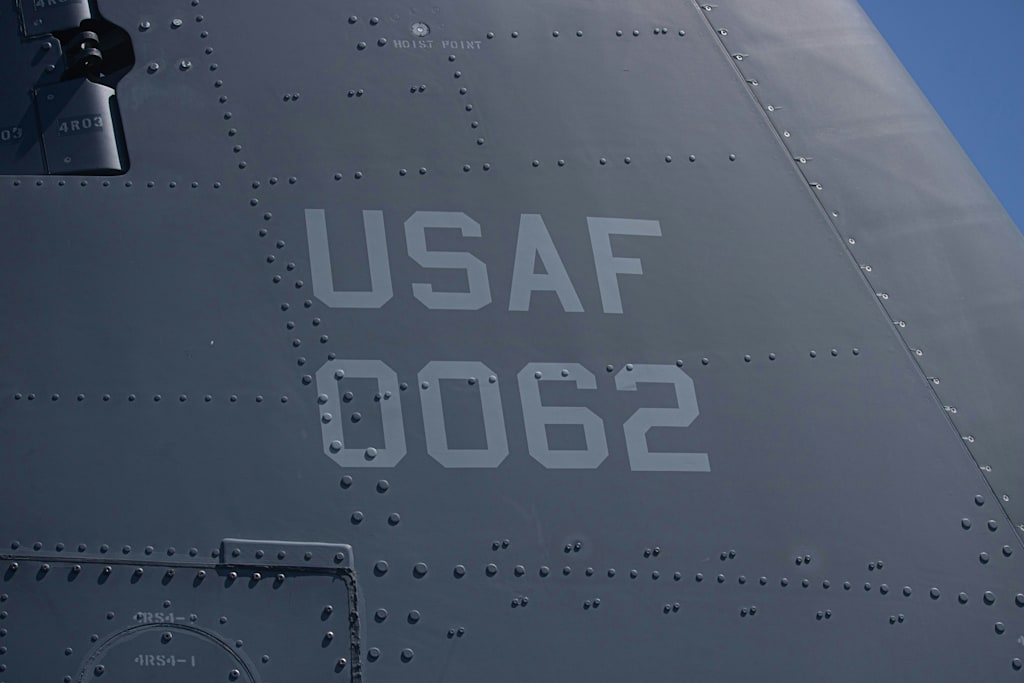
The demand for reliable aircraft components has been rising steadily across the United States defense sector. Military operations depend heavily on precision, safety, and readiness, and this is only possible when the right parts are available at the right time. NSN-certified components play a critical role in ensuring that every part used in aircraft systems meets strict standards. As this demand increases, defense supply chains are being reshaped to keep up with growing operational needs.
The Importance of NSN-Certified Components in Defense Aviation
NSN-certified aircraft components are not just ordinary parts. They are standardized, traceable, and approved for use in defense and aerospace applications. This level of certification ensures that each component meets strict quality and performance requirements. In aviation, even a small failure can lead to serious consequences, which is why using verified components is essential.
With increasing global tensions and the need for constant readiness, the reliance on these certified parts has grown. Aircraft must remain operational without delays, and this creates pressure on supply chains to maintain consistent availability.
Rising Demand and Its Impact on Supply Chains
The surge in demand for NSN-certified components is driven by multiple factors. Increased defense budgets, modernization programs, and the need to maintain aging aircraft fleets all contribute to higher requirements for parts. As aircraft continue to operate beyond their original service life, maintenance becomes more frequent, and the need for certified components increases.
This growing demand puts stress on traditional supply chain systems. Delays in sourcing, limited availability, and longer lead times can disrupt operations. To address this, supply chains are evolving to become more flexible and responsive.
Modernizing Procurement Strategies
One of the key ways U.S. defense supply chains are adapting is by improving procurement strategies. Instead of relying on a single source, there is a shift toward diversified sourcing. This reduces dependency and helps avoid delays when one supplier faces issues.
Digital platforms are also playing an important role. Advanced search systems and databases allow faster identification of required parts. Access to a technical parts listing enables procurement teams to quickly locate certified components without wasting time on manual searches. This approach improves efficiency and reduces downtime.
Strengthening Supplier Networks
Another major shift is the focus on building strong relationships with reliable suppliers. Defense organizations are prioritizing partnerships with manufacturers and distributors that can consistently deliver high-quality components. At the same time, sourcing flexibility is improving by exploring a wider industrial component range, ensuring that alternative options are available when primary suppliers face delays. These partnerships are based on trust, performance, and compliance with strict standards.
Suppliers are also being evaluated more carefully. Factors such as certification, delivery performance, and traceability are becoming more important than ever. By working with dependable suppliers, supply chains become more stable and less prone to disruptions.
Inventory Planning and Demand Forecasting
Efficient inventory management is another area where improvements are being made. Instead of reacting to demand, supply chains are becoming more proactive. Predictive tools and data analysis are being used to forecast future needs.
This helps in maintaining the right level of stock for critical components. Keeping essential parts readily available reduces the risk of aircraft downtime. It also ensures that maintenance operations can continue without interruptions.
Adoption of Digital Technologies
Technology is playing a major role in transforming defense supply chains. Real-time tracking systems provide visibility into shipments, helping organizations monitor the movement of components from suppliers to end users. This transparency reduces uncertainty and allows quicker decision-making.
Automation is also improving efficiency. From order processing to inventory updates, automated systems reduce manual work and minimize errors. These improvements make supply chains faster and more reliable.
Digital transformation is not just about speed; it also enhances accuracy. Accurate data ensures that the right parts are ordered and delivered, which is critical in aviation where precision matters the most.
Reducing Lead Times and Improving Logistics
Logistics is another area where significant changes are happening. Faster transportation methods, better coordination, and improved communication are helping reduce lead times. Supply chains are becoming more agile, allowing quicker response to urgent requirements.
In defense aviation, situations like aircraft-on-ground scenarios require immediate action. Delays in such cases can affect operations and readiness. By improving logistics, supply chains are better prepared to handle urgent demands.
Ensuring Compliance and Quality Assurance
Maintaining compliance with industry standards remains a top priority. Every component must meet strict guidelines before it can be used in aircraft systems. This includes proper documentation, testing, and traceability.
Quality assurance processes are becoming more advanced. Inspections, certifications, and verification steps are integrated into every stage of the supply chain. This ensures that only reliable components are delivered for use.
Compliance not only ensures safety but also builds trust. Organizations can rely on certified components without worrying about performance issues.
Future Outlook of U.S. Defense Supply Chains
The future of defense supply chains lies in adaptability and innovation. As demand continues to grow, supply chains will need to become even more resilient. The integration of advanced technologies such as artificial intelligence and data analytics will further improve efficiency.
Sustainability is also becoming an important consideration. Reducing waste, improving resource use, and adopting environmentally friendly practices are gaining attention in the aerospace sector.
The focus will remain on maintaining a balance between speed, quality, and reliability. Supply chains that can achieve this balance will be better equipped to support defense operations.
Conclusion
The rising demand for NSN-certified aircraft components is reshaping U.S. defense supply chains in significant ways. From modern procurement strategies to advanced technologies and stronger supplier networks, every aspect of the supply chain is evolving to meet new challenges.
Efficient supply chains are essential for maintaining aircraft readiness and operational success. By focusing on reliability, planning, and innovation, the defense sector is ensuring that it can meet the growing demand while maintaining the highest standards of quality and performance.
About the Creator
Beckett Dowhan
Where aviation standards meet real-world sourcing NSN components, FSG/FSC systems, and aerospace-grade fasteners explained clearly.
Enjoyed the story? Support the Creator.
Subscribe for free to receive all their stories in your feed.
Comments
There are no comments for this story
Be the first to respond and start the conversation.