
How to write like Pulp Fiction
The script for Tarantino movie Pulp Fiction provides an object lesson in how to write good dramatic action

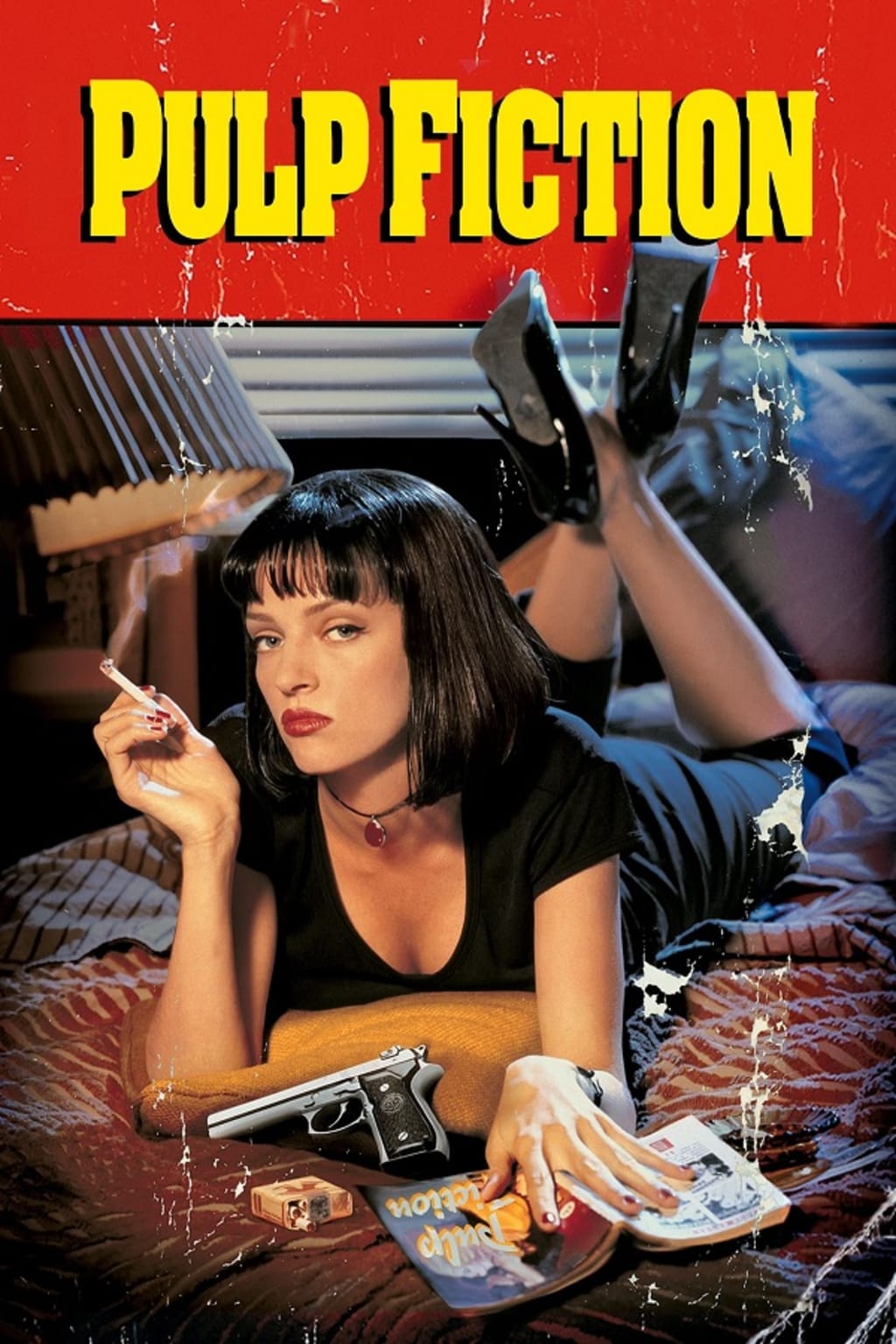
Watched Pulp Fiction recently and it struck me how well the story was scripted and, I think, provides an object lesson in how to develop story through dialogue and character. This is not a movie crit, and I am not a Tarantino groupie, but I would suggest all fiction writers watch the film (at least twice) and learn from the technique and structure of the story, how it is constructed and how the story progresses from one dramatic scene to another. Or read the script, which was written by Quentin Tarantino and Roger Avery. Whether you are a Tarantino fan or not, you can learn some important lessons from the way this film was scripted.
I am republishing this story from my sleepy list because I think it is useful to read, and because several people have mentioned it. These include Lamar Wiggins. Thanks for your support, buddy.
Seeing a film more than once helps to spot more of the craft the writers have put into it piecing it together. Notice how the story uses multiple character perspectives to weave together the complexities of the narrative into an easy to follow tale of small-time crookery clashing with the mob. Watching for the first time, I found a lot of the dialogue tedious and unnecessary chit-chat. Second time, knowing how the story develops, you can see better why each of the characters says was they say.
The more I watch this film, the more I realize that none of the dialogue is wasted, and that each line helps to move the story along to the next dramatic crossing point. For example, Travolta explaining what they call a Quarter Pounder in Paris, isn’t just a throwaway line to show that he has been to France and has an opinion on the difference between Europeans and Americans. It’s a set up that is paid off in the scene that follows. Just like the byplay between Travolta and Willis when they first meet.
The movie also (typically for Tarantino) steals some of the best bits from other movies, which demonstrates how stories can usefully reference other story ideas without actual copying them. I know this practice (I do it all the time) causes litigation anxiety, but the fact is nobody writes a story without referencing other stories. If you write a love story, you cannot help but reference Romeo and Juliet, all sci-fi harps back to Shelley/Asimov, all detective/mystery makes liberal use of Poe, Christie, Chandler (and therefore Hammett) or Doyle, often a combination of several of these great authors.
I also know that a lot of people would not like the subject matter of Pulp Fiction, which involves a lot of violent and bloody gun play, multiple murders, a rape scene, and drug abuse. Worth watching it to help understand the importance of showing story development through self-determined and self-expressed character development. It may well be tempting to think of the violence and gun play as gratuitous, but the reverse is true in my view. The second time you watch the ending, see if you can see what I am talking about. This movie demonstrates how not to tie up the loose ends in the story with a shoot-out. Then again, those guns ain’t there for nothing.
As an author, I probably reference, and am influenced by, more films than I am books. I have always found it hard going reading books and long stories generally. Not sure if this is an issue of attention span, or some form of visual processing functional lapses. But it has its advantages. Like being more of a visual than literary writer.
Who cares about all that, however. The point is that some films are very tightly scripted and it is worth paying attention to their story structure. I have been doing this consciously since attending a Robert McKee seminar in London in the 1990s.
Whatever you think about Tarantino and his movies, do think about how your stories are structured and what you can learn from the experts.
About the Creator
Raymond G Taylor
Author based in Margate on the English Kent coast, having moved from London. Known for his short stories and flash fiction, as well as poetry and non-fiction writing on subjects such as art, science, technology and the human condition
Enjoyed the story? Support the Creator.
Subscribe for free to receive all their stories in your feed. You could also become a paid subscriber, letting them know you appreciate their work.
Comments
There are no comments for this story
Be the first to respond and start the conversation.