
How to Integrate Multi-Channel Software with Your Existing Systems
Multi-Channel Software

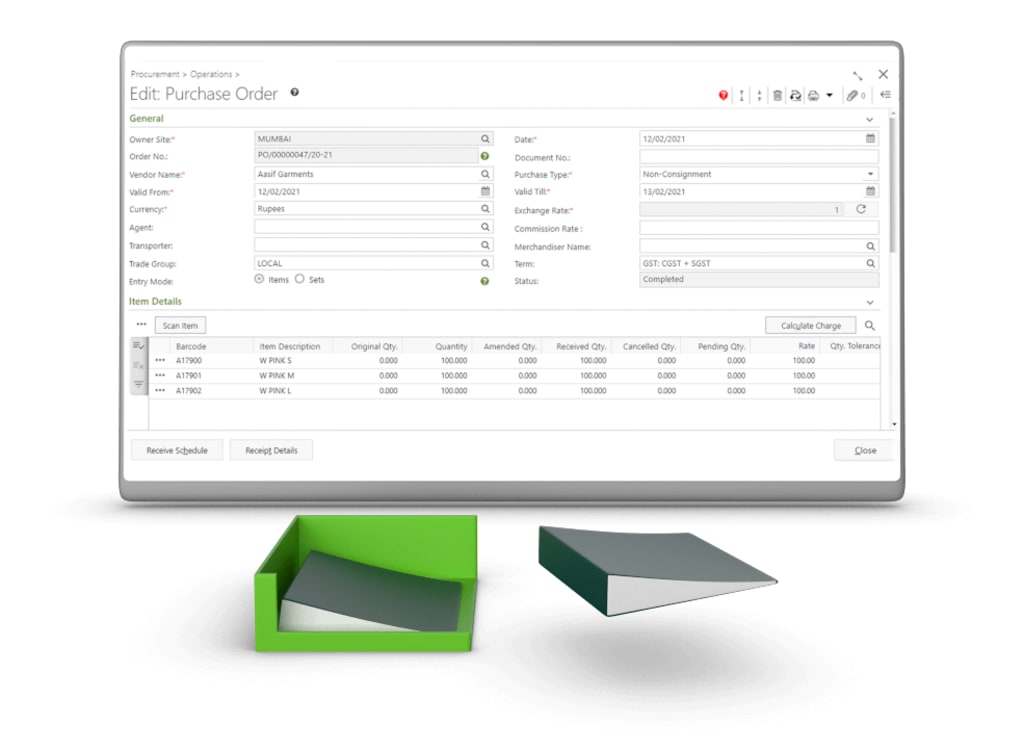
In today's fast-paced digital marketplace, businesses are increasingly adopting multi-channel software to enhance their customer engagement and streamline operations.
However, integrating this software with existing systems can be a daunting task.
This guide will explore effective strategies for integrating multi-channel software into your current infrastructure, ensuring a seamless transition that maximizes efficiency and improves customer experience.
Understanding Multi-Channel Software
Multi-channel software enables businesses to manage various sales and communication channels from a single platform.
This includes online marketplaces, social media, physical stores, and more.
The primary goal is to create a unified customer experience, allowing consumers to interact with the brand through their preferred channels.
Benefits of Multi-Channel Software:
- Increased Reach: Engage customers across multiple platforms.
- Enhanced Customer Experience: Provide a consistent shopping experience.
- Data Centralization: Gather insights from various channels for better decision-making.
Assessing Your Current Systems
Before diving into integration, it’s crucial to evaluate your existing systems. Understanding the strengths and weaknesses of your current infrastructure will help you identify the best approach for integration.
Inventory Management Systems: Assess how your current inventory management system operates. Is it capable of handling data from multiple channels?
Customer Relationship Management (CRM): Evaluate your CRM system's ability to track customer interactions across different platforms.
E-commerce Platforms: Determine if your e-commerce platform supports integration with multi-channel software.
Choosing the Right Multi-Channel Software
Selecting the right multi-channel software is critical for successful integration.
Consider the following factors:
- Compatibility: Ensure the software can seamlessly integrate with your existing systems.
- Scalability: Choose a solution that can grow with your business.
- User-Friendly Interface: A simple interface will facilitate easier adoption by your team.
Integration Strategies
Once you have selected the appropriate multi-channel software, it’s time to implement it. Here are some effective strategies for integration:
API Integration
Many multi-channel software solutions offer APIs (Application Programming Interfaces) that allow for seamless data exchange between systems. This method is often the most efficient way to integrate different platforms.
Benefits:
- Real-time data synchronization.
- Flexibility to customize integrations based on business needs.
Middleware Solutions
Middleware acts as a bridge between your existing systems and the new multi-channel software. It facilitates communication and data transfer without requiring significant changes to your current infrastructure.
Benefits:
- Simplifies complex integrations.
- Reduces the risk of data loss during the transition.
Data Migration
If your existing systems are outdated or incompatible, consider migrating your data to a new platform that supports multi-channel integration. This process involves transferring data from one system to another while ensuring data integrity.
Benefits:
- Opportunity to clean and organize data.
- Improved performance with modern systems.
Testing and Validation
After integration, conduct thorough testing to ensure that all systems are functioning correctly. Validate data accuracy and check for any discrepancies.
Benefits:
- Identifies potential issues before going live.
- Ensures a smooth transition for users.
Training and Support
Integrating new software can be challenging for your team. Providing adequate training and support is essential for successful adoption.
Training Sessions: Organize workshops to familiarize your team with the new software and its features.
Ongoing Support: Establish a support system for employees to address any questions or issues that arise during the transition.
Monitoring and Optimization
Once the integration is complete, it’s important to monitor the performance of your multi-channel software. Regularly analyze data to identify areas for improvement.
Key Performance Indicators (KPIs): Track metrics such as sales growth, customer engagement, and inventory turnover to assess the effectiveness of your integration.
Feedback Loops: Encourage feedback from your team and customers to identify pain points and areas for enhancement.
GinesysOne: A Comprehensive Solution for Multi-Channel Integration
For businesses looking to streamline their multi-channel operations, GinesysOne offers a robust solution that integrates seamlessly with existing systems.
With features designed to enhance inventory management, optimize sales processes, and provide valuable insights, GinesysOne stands out as a leader in the market.
GinesysOne’s user-friendly interface and comprehensive support make it an ideal choice for retailers aiming to improve their multi-channel strategy.
By leveraging GinesysOne, businesses can create a cohesive shopping experience that drives conversions and fosters customer loyalty.
For more information on how GinesysOne can transform your multi-channel operations, visit their website.
About the Creator
Ginesys
Ginesys One is India's leading omnichannel & multichannel retail software solution. Our cloud-based Ecommerce OMS, POS, ERP, BI, & GST software simplifies retail operations, enabling retailers to manage their retail business seamlessly.
Enjoyed the story? Support the Creator.
Subscribe for free to receive all their stories in your feed.
Comments
There are no comments for this story
Be the first to respond and start the conversation.