
How to Choose the Right Industrial Sensors for Your Application
A Complete Guide to Selecting Accurate, Reliable, and Application-Specific Industrial Sensors

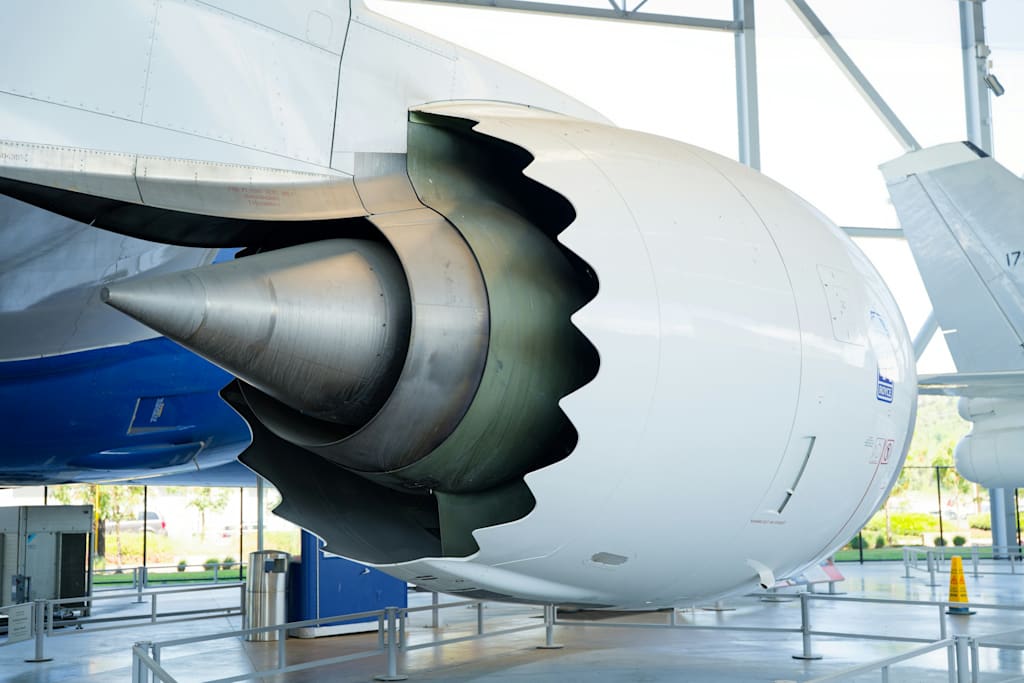
Selecting the right industrial sensor is a critical decision for any operation that relies on automation, precision, and efficiency. Sensors act as the “eyes and ears” of industrial systems, helping monitor conditions, detect changes, and trigger actions. Whether you are working in manufacturing, automation, or aerospace environments, choosing the correct sensor ensures reliability, safety, and long-term performance. With a wide range of sensor types available in the market, understanding your specific application needs is the first step toward making the right choice.
Understanding Different Types of Industrial Sensors
Industrial sensors come in various types, each designed for specific tasks and environments. Proximity sensors, for example, are widely used to detect the presence of objects without physical contact. Inductive sensors are ideal for detecting metallic objects, while capacitive sensors can identify both metallic and non-metallic materials such as liquids or plastics. Photoelectric sensors, on the other hand, are used for long-distance detection using light beams.
When exploring a reliable HTM parts catalog, you will often find a wide variety of these sensors tailored for different industrial applications. Each type has its own strengths, and selecting the wrong one can lead to inefficiencies or system failures. That’s why it is important to match the sensor type with your operational requirements.
Key Factors to Consider Before Choosing a Sensor
Before finalizing a sensor, you need to evaluate several important factors. The first is the environment in which the sensor will operate. Industrial environments can be harsh, involving dust, moisture, extreme temperatures, or vibrations. A sensor that performs well in controlled conditions may fail quickly in such settings if it is not designed for durability.
Another key factor is the sensing range and accuracy. Some applications require high precision, while others may only need basic detection. Power requirements, output type (analog or digital), and installation space also play a significant role. In complex systems, compatibility with existing machinery and control systems is equally important.
Additionally, response time should not be overlooked. In fast-paced production lines, even a slight delay can impact overall efficiency. Therefore, always consider how quickly the sensor needs to react to changes in the environment.
The Role of Industry Standards and Quality
Quality assurance is essential when selecting industrial sensors. Reliable sensors not only improve performance but also reduce maintenance costs and downtime. Certifications and industry standards are strong indicators of product quality and reliability. Choosing components from trusted suppliers ensures that your equipment meets safety and operational standards.
In industries like aerospace and defense, where precision and reliability are non-negotiable, sourcing components from a verified aviation components catalog can help ensure compliance with strict quality requirements. This approach aligns with EEAT (Experience, Expertise, Authoritativeness, and Trustworthiness) principles, as it emphasizes using credible sources and high-quality components for critical operations.
Matching Sensors with Your Application Needs
Every application has unique requirements, so a one-size-fits-all approach does not work when selecting sensors. For example, in an automated production line, proximity sensors may be ideal for detecting objects on a conveyor belt. In contrast, temperature sensors are more suitable for monitoring heat-sensitive processes in manufacturing plants.
It is also important to consider scalability. As your operations grow, your sensor requirements may change. Choosing flexible and adaptable solutions can save time and costs in the future. Consulting with technical experts or reviewing detailed product specifications can provide deeper insights into which sensor will best fit your needs.
Common Mistakes to Avoid
One of the most common mistakes is selecting a sensor based solely on price. While cost is important, choosing a cheaper option without considering quality and compatibility can lead to higher expenses in the long run. Another mistake is ignoring environmental conditions, which can significantly affect sensor performance.
Overlooking proper installation and calibration is also a frequent issue. Even the best sensor will not perform correctly if it is not installed or configured properly. Taking the time to understand product documentation and following best practices can prevent these problems.
Conclusion
Choosing the right industrial sensor requires a clear understanding of your application, environment, and performance requirements. By evaluating sensor types, considering key factors such as accuracy and durability, and relying on high-quality sources, you can ensure optimal system performance. A well-chosen sensor not only enhances efficiency but also contributes to the overall reliability and safety of your operations.
About the Creator
Beckett Dowhan
Where aviation standards meet real-world sourcing NSN components, FSG/FSC systems, and aerospace-grade fasteners explained clearly.
Enjoyed the story? Support the Creator.
Subscribe for free to receive all their stories in your feed.
Comments
There are no comments for this story
Be the first to respond and start the conversation.