
How Legacy Aerospace Manufacturers Still Influence Modern Aircraft Technology
How early aerospace innovations continue to shape modern aircraft systems and reliability

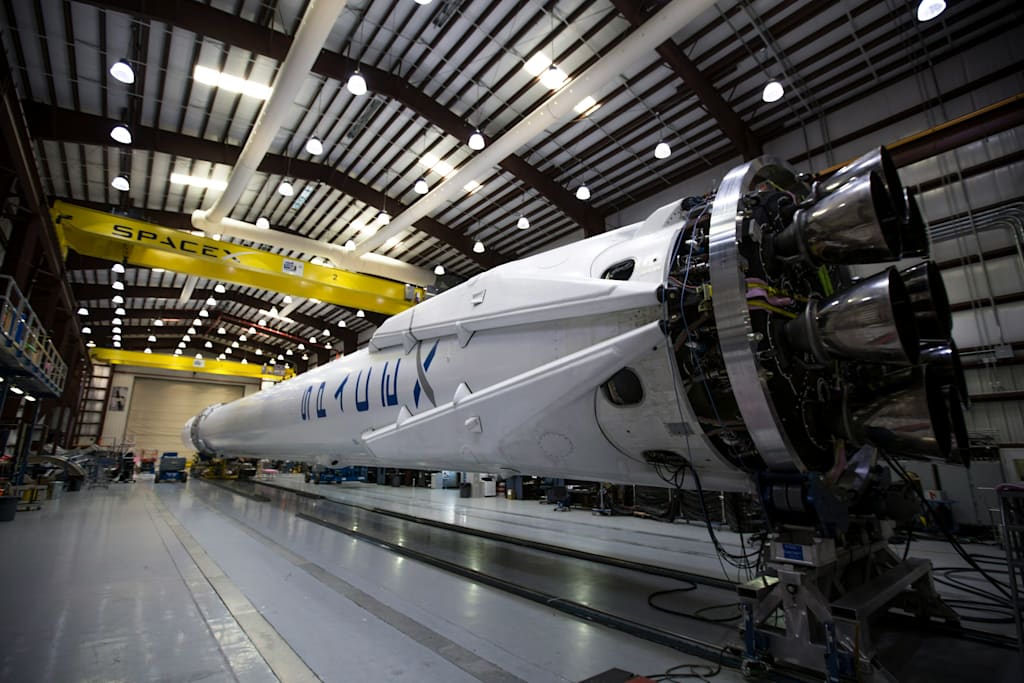
Modern aircraft technology is often seen as a result of recent innovation, advanced software, and cutting-edge engineering. However, a closer look reveals that many of today’s aviation systems are deeply rooted in the work of legacy aerospace manufacturers. These early pioneers laid the foundation for design standards, manufacturing practices, and system reliability that continue to shape the industry. Their influence is not outdated; instead, it remains a guiding force behind how modern aircraft are built and maintained.
The Foundation Built by Legacy Manufacturers
Legacy aerospace manufacturers played a critical role in establishing the standards that define aviation today. Early advancements in navigation systems, communication equipment, and structural components created a framework that modern engineers still rely on. These companies focused on durability, safety, and consistency at a time when aviation was still developing, ensuring that every component met strict performance expectations.
The principles developed during that era continue to guide modern manufacturing. Even with new materials and digital systems, the core focus on reliability and precision has remained unchanged. This continuity highlights how early innovations still influence the way aircraft systems are designed and tested.
Evolution Without Replacement
One of the most interesting aspects of aviation technology is that new advancements rarely replace older systems entirely. Instead, they build upon them. Many modern aircraft systems are improved versions of earlier designs, refined over time to meet changing requirements. This approach ensures that proven methods are not discarded but enhanced to achieve better performance.
Legacy designs often provide a stable base for innovation. Engineers refine these designs by integrating modern tools, automation, and improved materials. This blend of old and new creates systems that are both reliable and efficient, maintaining a balance between tradition and progress.
The Continued Importance of Precision in Manufacturing
Aircraft systems require a high level of accuracy, and this need has remained consistent over time. Legacy manufacturers emphasized precision in every aspect of production, from material selection to final assembly. This approach continues to define modern manufacturing processes.
The use of precision parts in aircraft systems reflects this ongoing commitment to accuracy. These components are designed to meet strict tolerances, ensuring that systems function smoothly without unexpected failures. Even as technology advances, the importance of precise manufacturing remains unchanged, reinforcing the influence of early industry practices.
Integration of Modern Electronics with Legacy Concepts
Modern aircraft rely heavily on electronic systems for communication, navigation, and control. While these systems have become more advanced, their underlying principles are often based on earlier developments. Legacy manufacturers introduced foundational concepts in electronic system design that are still relevant today.
Today’s aviation systems combine these foundational ideas with advanced electronic supply networks, enabling better performance and reliability. The integration of modern electronics with proven concepts ensures that aircraft systems remain stable, efficient, and capable of handling complex operations.
Reliability as a Core Principle
Reliability has always been a central focus in aviation, and this principle was strongly emphasized by early manufacturers. Their approach to design and testing set the standard for what is expected in modern aircraft systems. Every component must perform consistently under challenging conditions, including extreme temperatures, pressure changes, and continuous operation.
Modern manufacturers continue to follow this approach by implementing strict quality checks and testing procedures. The emphasis on reliability ensures that aircraft systems can operate safely, even in demanding environments. This consistency is a direct result of the standards established by legacy manufacturers.
Adapting to Modern Challenges
While legacy manufacturers provided a strong foundation, the aviation industry continues to evolve to meet new challenges. Increasing demand for efficiency, sustainability, and advanced performance has pushed manufacturers to adopt new technologies. However, these advancements are often guided by the principles established in the past.
The ability to adapt while maintaining proven practices is what makes modern aviation systems successful. Instead of replacing older methods entirely, manufacturers refine and improve them to meet current needs. This approach ensures that innovation does not compromise reliability or safety.
Influence on Supply Chains and Manufacturing Processes
Legacy manufacturers also shaped the way aerospace supply chains operate today. Their focus on structured processes, quality assurance, and consistent sourcing created a model that is still followed. Modern supply chains are built on these principles, ensuring that components are delivered with reliability and traceability.
Efficient supply chains are essential for maintaining aircraft operations. By following established practices, manufacturers can ensure that systems remain functional and that maintenance requirements are met without delays. This structured approach continues to support the aviation industry at every level.
The Future Built on a Strong Past
The future of aviation will undoubtedly include new technologies such as automation, artificial intelligence, and advanced materials. However, these developments will continue to rely on the foundation created by legacy manufacturers. Their influence is not limited to the past; it extends into every aspect of modern aviation.
As technology evolves, the balance between innovation and reliability will remain essential. Legacy practices will continue to guide new developments, ensuring that advancements are both effective and safe. This ongoing connection between past and present highlights the lasting impact of early aerospace pioneers.
Conclusion
Legacy aerospace manufacturers have played a defining role in shaping modern aircraft technology. Their focus on precision, reliability, and structured processes continues to influence how aircraft systems are designed and maintained today. By building on proven foundations and integrating modern advancements, the aviation industry has achieved a balance that supports both innovation and safety. This connection between past and present ensures that aviation will continue to evolve while maintaining the standards that have made it one of the most reliable industries in the world.
About the Creator
Beckett Dowhan
Where aviation standards meet real-world sourcing NSN components, FSG/FSC systems, and aerospace-grade fasteners explained clearly.
Enjoyed the story? Support the Creator.
Subscribe for free to receive all their stories in your feed.
Comments
There are no comments for this story
Be the first to respond and start the conversation.