
How Election Campaigning Has Changed in Bengal
From Wall Posters to Social Media: The Changing Face of Election Campaigning in Bengal

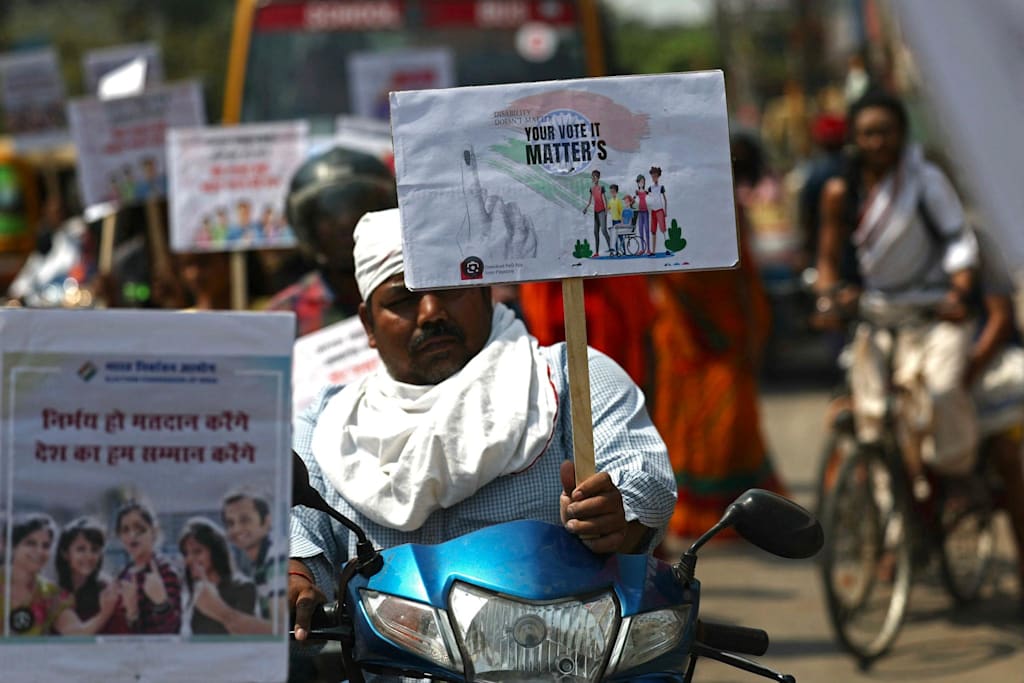
Elections in West Bengal have always been more than just political events. They are deeply connected with the culture, public discussions, street movements, and daily life of the people. Over the years, the style of election campaigning in Bengal has changed significantly. From wall paintings and loudspeaker announcements to digital campaigns and social media outreach, political communication in the state has evolved with time and technology.
Today, election campaigns are not limited to rallies and posters. Digital platforms, online videos, mobile phones, and local influencers now play an important role in reaching voters. At the same time, traditional methods of campaigning still continue to hold value in many parts of Bengal, especially in rural areas where personal connection matters the most.
This change reflects not only the advancement of technology but also the changing mindset of voters. People now expect faster communication, detailed information, and direct interaction during election periods. Campaigning in Bengal has therefore become more organised, more visible, and more audience-focused than before.
The Era of Traditional Campaigning
local interaction. Political workers used to visit neighbourhoods, organise street meetings, distribute pamphlets, and paint walls with election messages.
Some common methods used in earlier campaigns included:
- Door-to-door visits by local workers
- Public rallies and roadshows
- Handwritten posters and banners
- Loudspeaker announcements in local areas
- Wall graffiti and slogans
- Local tea shop discussions and community meetings
These methods were effective because people relied mostly on newspapers, radio, and word-of-mouth communication for political information. Campaigning was slower but more personal. Candidates often built strong local relationships through face-to-face interactions.
In many parts of Bengal, wall art became a unique part of election culture. Streets and neighbourhoods were filled with political paintings, slogans, and symbols during election season. Even today, this remains an important visual element of Bengal’s political atmosphere.
Rise of Television and Media Coverage
As television became more common in Indian households, election campaigning started changing gradually. Political speeches, debates, and campaign advertisements began reaching people through news channels.
This brought several changes:
- Voters could follow election developments from home
- Political leaders gained wider visibility
- Campaign messages reached both urban and rural audiences
- Media discussions influenced public opinion
Television also increased competition among political campaigns. Parties started focusing more on public image, communication style, and media management. Election campaigning slowly moved from only ground-level activity to mass communication.
During this period, campaign strategies became more professional. Political events were carefully planned to attract media attention and public engagement.
Social Media Changed the Entire Campaigning Style
One of the biggest transformations in Bengal election campaigning came with the rise of social media. Platforms like Facebook, YouTube, Instagram, and X became powerful tools for political communication.
Today, many voters receive election-related information directly on their smartphones. Political messages are now shared through:
- Short videos
- Live speeches
- Digital posters
- WhatsApp forwards
- Online interviews
- Reels and social media clips
This shift has changed the speed of campaigning. Information now spreads within minutes instead of days. Political campaigns have become more dynamic and continuous.
Young voters in particular are highly influenced by online content. Many first-time voters follow election updates through social media rather than traditional newspapers or television channels.
At the same time, digital campaigning has increased public participation. People can now react, comment, discuss, and share opinions instantly. Election conversations are no longer limited to public meetings; they now happen online every day.
Importance of Youth Participation
The youth population in Bengal plays a major role in modern election campaigning. Young voters are more connected to technology and social platforms, which has encouraged campaigns to become more creative and interactive.
- Modern campaigns often focus on:
- Short and engaging digital content
- Campus discussions and youth outreach
- Online awareness campaigns
- Interactive social media sessions
- Digital volunteer networks
Political communication has become more audience-specific. Campaign teams now create different types of content for students, professionals, women, and rural communities.
Young audiences also prefer issue-based discussions rather than long speeches. As a result, campaigning styles have become shorter, faster, and visually engaging.
Traditional Campaigning Still Matters
Even after the growth of digital media, traditional campaigning remains important in Bengal. Many rural and semi-urban areas still value direct interaction more than online messaging.
Local meetings, rallies, and door-to-door campaigns continue to influence voters because they create personal trust and connection.
Some traditional methods that are still widely used include:
- Street corner meetings
- Community interactions
- Local cultural programmes
- Village-level campaigns
- Personal voter outreach
In Bengal, political discussions are often linked with local culture and community identity. This is why physical campaigning still holds emotional and social importance.
The combination of traditional and modern campaigning has created a hybrid election model in the state.
Data and Technology in Modern Campaigns
Election campaigning has also become more data-driven in recent years. Campaign teams now use technology to understand voter behaviour, regional issues, and public interests.
- Modern campaign planning may include:
- Social media analytics
- Audience engagement tracking
- Digital surveys and feedback
- Online trend monitoring
- Region-specific campaign planning
Technology helps campaigns communicate more efficiently. Messages can now be customised according to local concerns and audience preferences.
This has made election campaigns more strategic than before. Communication is no longer random; it is carefully targeted toward different voter groups.
Challenges of Modern Election Campaigning
While technology has improved communication, it has also created new challenges. The fast spread of information sometimes leads to confusion and misinformation.
Some common concerns include:
- Fake news and edited videos
- Misleading social media posts
- Online trolling and negativity
- Unverified information circulation
- Information overload for voters
Because of this, voter awareness has become more important than ever. People are encouraged to verify information from reliable sources before believing or sharing it.
Responsible digital behaviour is now considered an important part of democratic participation.
The Changing Expectations of Voters
The modern voter in Bengal is more informed and connected than before. People now expect:
- Clear communication
- Quick updates
- Transparency in public discussions
- Easy access to information
- Direct interaction through digital platforms
Campaigning today is not only about visibility but also about engagement. Leaders and campaign teams are expected to stay active both online and offline.
Digital platforms have made election discussions faster and more interactive, which makes Communication methods now play a bigger role in reaching audiences.
Conclusion
Election campaigning in Bengal has undergone a major transformation over the years. What once depended mainly on rallies, posters, and local meetings has now expanded into a combination of digital outreach, media communication, and technology-driven strategies.
However, despite these modern changes, Bengal’s political culture still values personal interaction and public discussion. Traditional campaigning methods continue to exist alongside social media campaigns, creating a unique political environment in the state.
The evolution of election campaigning reflects broader social and technological changes in society. As communication tools continue to develop, campaigning styles will likely become even more interactive and digitally connected in the future.
At the same time, informed voting and responsible sharing of information will remain essential for maintaining a healthy democratic process.
About the Creator
Prateek Mittal
Prateek Mittal is an Indian blogger with 4 years of experience, focusing on business and the energy sector, sharing simple and insightful content on industry trends and market developments.
Enjoyed the story? Support the Creator.
Subscribe for free to receive all their stories in your feed.
Comments
There are no comments for this story
Be the first to respond and start the conversation.