
How Educational Backgrounds Shape Stronger and More Influential Faith Leaders
The Educational Foundations of Influential Ministry

Faith leadership requires a unique combination of spiritual wisdom, communication skills, emotional intelligence, and organizational ability. While spiritual calling remains central to ministry, educational experience often plays a significant role in preparing leaders to meet the demands of modern faith communities. As a result, faith leaders who possess strong educational backgrounds frequently demonstrate greater effectiveness in guiding, teaching, and serving others.
Today, religious organizations operate within increasingly complex social and cultural environments. Therefore, leaders must possess the knowledge and skills necessary to address diverse challenges while remaining faithful to their mission. Educational experience equips faith leaders with critical thinking abilities, communication expertise, and a commitment to continuous growth. Through these strengths, they become better prepared to engage congregations and create lasting positive impact.
Education helps individuals develop the ability to communicate ideas clearly and effectively. Whether presenting information in a classroom, participating in discussions, or conducting research, students learn how to organize and share knowledge with others. Consequently, faith leaders with educational experience often excel at delivering sermons, leading studies, and explaining spiritual concepts.
Furthermore, strong communication allows leaders to connect with people from different backgrounds and age groups. Educational environments expose individuals to diverse perspectives and teaching methods. As a result, faith leaders become more skilled at adapting their message to meet the needs of various audiences while maintaining clarity and relevance.
Faith leaders regularly face situations that require thoughtful analysis and sound judgment. Educational experience encourages individuals to evaluate information carefully, consider multiple viewpoints, and make informed decisions. Therefore, leaders with strong academic backgrounds often approach challenges with greater confidence and wisdom.
Similarly, critical thinking helps leaders navigate complex issues within their congregations and communities. Instead of reacting impulsively, educated leaders can assess circumstances objectively and identify effective solutions. Consequently, they foster trust by demonstrating responsibility and careful decision-making.
Educational settings provide numerous opportunities for individuals to lead projects, collaborate with others, and manage responsibilities. Through these experiences, students develop leadership skills that prepare them for future roles. As a result, faith leaders often enter ministry with greater confidence and organizational capability.
Meanwhile, confidence enables leaders to guide others through both opportunities and challenges. Congregation members often look to spiritual leaders for direction and encouragement. Therefore, leaders who have developed confidence through education can inspire others while maintaining a sense of stability and purpose.
One of the most valuable outcomes of education is the development of a lifelong commitment to learning. Students learn how to research, explore new ideas, and seek deeper understanding. Consequently, faith leaders who embrace continuous learning remain better equipped to address changing needs within their communities.
Likewise, leaders who value education often inspire similar attitudes among congregation members. By encouraging study, personal growth, and intellectual engagement, they create environments where spiritual and personal development thrive together. As a result, faith communities become more knowledgeable and engaged.
Teaching remains a central responsibility for many faith leaders. Educational experience provides practical skills that enhance lesson planning, instructional methods, and audience engagement. Therefore, leaders with educational backgrounds often deliver more effective and impactful learning experiences.
At the same time, strong teaching skills contribute significantly to discipleship efforts. Faith leaders who understand how people learn can guide individuals toward deeper spiritual understanding and maturity. Consequently, congregations benefit from more meaningful educational opportunities and stronger spiritual growth.
Education often involves collaboration, teamwork, and interaction with diverse groups of people. Through these experiences, individuals learn how to build relationships based on respect, communication, and cooperation. As a result, faith leaders become more effective at fostering meaningful connections within their congregations.
Furthermore, strong relationships contribute to healthier and more engaged faith communities. Leaders who understand how to connect with others can create environments where people feel valued and supported. Consequently, trust grows, and members become more active participants in ministry activities.
Faith communities encounter various challenges that require practical and thoughtful solutions. Educational experience helps individuals develop analytical skills and structured approaches to problem-solving. Therefore, leaders with academic backgrounds often demonstrate greater effectiveness when addressing organizational or pastoral concerns.
Similarly, problem-solving skills support long-term ministry success. Leaders who can identify challenges, evaluate options, and implement solutions help organizations remain focused on their mission. As a result, congregations experience greater stability and progress.
Educational environments frequently expose students to different cultures, traditions, and perspectives. This exposure broadens understanding and encourages respect for diversity. Consequently, faith leaders with educational experience often possess greater cultural awareness and sensitivity.
About the Creator
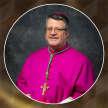
Bishop Elias Lorenzo
Bishop Elias Lorenzo was born in October 1960 in Brooklyn, New York. He grew up in the Sunset Park neighborhood and attended a parish elementary school where he developed his early academic skills.
Portfolio: https://bishopeliaslorenzo.com/
Enjoyed the story? Support the Creator.
Subscribe for free to receive all their stories in your feed.
Comments