
Ensuring Safety and Sustainability in Modern Logistics
Packaging Protection

Introduction
Packaging protection plays a crucial role in safeguarding goods during transit, storage, and handling. Whether it’s fragile consumer products, industrial components, or perishable items, proper packaging ensures that products reach their destination in optimal condition. With the rise of e-commerce, globalization, and evolving supply chain dynamics, the demand for innovative and sustainable packaging protection has grown significantly.
This article delves into the importance of packaging protection, key materials and techniques used, challenges faced by industries, and how modern solutions are shaping the future of secure packaging.
The Importance of Packaging Protection
Prevention of Product Damage
Packaging protection is essential for preventing damage caused by impact, vibrations, compression, or environmental factors. Whether a product is fragile like glassware or electronics, or robust like industrial machinery, the right packaging ensures minimal risk during handling and transportation.
Cost Reduction
Businesses invest in protective packaging to reduce financial losses caused by product damage or returns. Effective packaging can lower operational costs by preventing material waste and reducing additional transportation expenses due to damaged goods.
Consumer Satisfaction
Well-packaged products enhance customer experience. Damaged or poorly protected products lead to negative reviews, returns, and loss of brand reputation. Protective packaging ensures customers receive items in perfect condition, improving brand trust.
Regulatory Compliance
Many industries, such as pharmaceuticals, food, and hazardous goods, must adhere to strict packaging regulations. Proper protective packaging ensures compliance with safety and quality standards.
Key Materials Used in Packaging Protection
The choice of materials for packaging protection depends on the type of product, handling conditions, and industry requirements. Some commonly used materials include:
Corrugated Cardboard
Lightweight, cost-effective, and recyclable.
Provides cushioning and structural support.
Used in boxes, dividers, and partitions.
Foam Inserts
Ideal for cushioning fragile items.
Available in polyethylene, polyurethane, and expanded polystyrene (EPS).
Commonly used for electronics, glassware, and medical devices.
Bubble Wrap & Air Pillows
Offer excellent shock absorption.
Reusable and available in biodegradable options.
Often used for wrapping delicate items and filling empty spaces in packages.
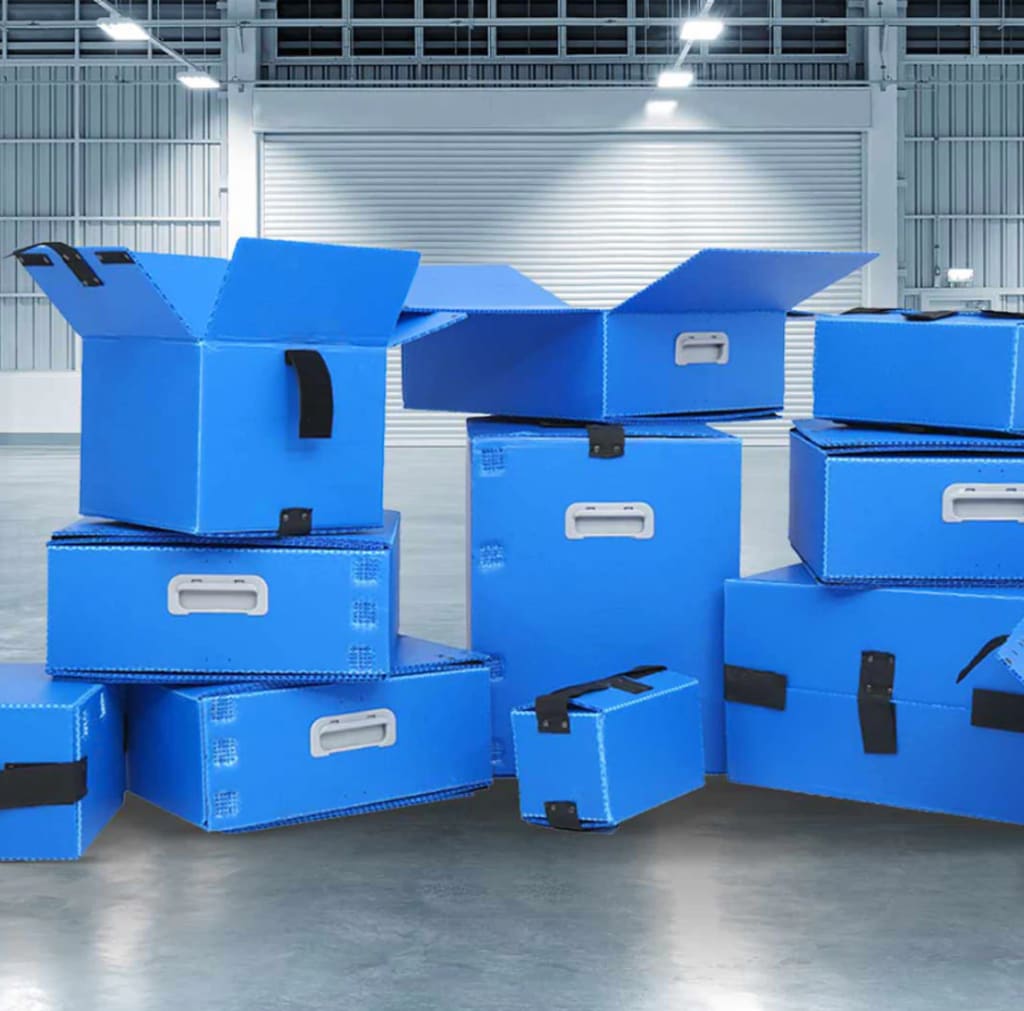
Plastic and Honeycomb Sheets
Provide structural strength and reusability.
Commonly used in industrial and automotive packaging.
Moisture-resistant and impact-absorbent.
Molded Pulp & Paper-Based Protective Packaging
Eco-friendly alternative to plastic.
Made from recycled paper pulp.
Used for food, electronics, and consumer goods packaging.
Types of Protective Packaging Solutions
Protective packaging comes in various forms, each designed to cater to different industries and transportation conditions:
Void Fillers & Cushioning Solutions
Used to fill empty spaces within packaging to prevent movement.
Includes air pillows, foam inserts, crinkle paper, and biodegradable peanuts.
Edge and Corner Protectors
Protects the most vulnerable parts of a product or package.
Commonly used for furniture, glass panels, and electronic devices.
Pallet Wrapping & Strapping
Ensures stability of stacked goods during transportation.
Includes shrink wrap, stretch film, and plastic straps.
Shock Absorption & Impact Resistance
Uses foam-based materials, corrugated structures, and honeycomb panels.
Protects products from shocks, drops, and rough handling.
Weatherproof & Moisture-Resistant Packaging
Essential for long-distance and outdoor storage.
Includes plastic films, aluminum foils, and coated paper.
Challenges in Packaging Protection
Despite advancements in packaging technology, several challenges persist:
Balancing Cost and Efficiency
High-quality protective packaging often increases costs.
Businesses must find cost-effective yet durable packaging solutions.
Sustainability Concerns
Traditional packaging materials like plastics contribute to environmental waste.
Transitioning to sustainable materials is crucial for eco-conscious industries.
Evolving Supply Chain Complexities
Global shipping demands robust packaging solutions that can withstand extreme conditions.
Packaging must adapt to changes in transportation and storage methods.
Future Trends in Packaging Protection
Biodegradable & Sustainable Packaging
Eco-friendly alternatives, such as mushroom-based packaging, biodegradable plastics, and molded pulp, are gaining popularity.
Smart Packaging Technologies
The use of RFID tags, temperature indicators, and QR codes enhances supply chain visibility.
Helps track product conditions and reduce losses.
Reusable & Returnable Packaging
Many industries are adopting reusable packaging to reduce waste and costs.
Returnable transport packaging (RTP) is widely used in automotive and logistics sectors.
Customization & Industry-Specific Solutions
Companies are investing in tailored packaging solutions to cater to specific product needs.
Examples include specialized pharmaceutical packaging, food-safe materials, and impact-resistant industrial packaging.
Conclusion
Packaging protection is more than just a means of enclosing a product—it is a crucial aspect of logistics, customer satisfaction, and sustainability. As industries continue to innovate, the focus is shifting toward smarter, more sustainable packaging solutions that balance durability, cost-efficiency, and environmental responsibility.
With advancements in material science, automation, and eco-friendly alternatives, the future of packaging protection looks promising. Whether for retail, industrial, or e-commerce applications, investing in reliable protective packaging is essential for businesses looking to improve product safety, reduce costs, and enhance overall efficiency
About the Creator
Enjoyed the story? Support the Creator.
Subscribe for free to receive all their stories in your feed.
Comments
There are no comments for this story
Be the first to respond and start the conversation.