
Ensuring Safety and Sustainability in Modern Logistics
Packaging Protection

Short Description:
Packaging protection plays a crucial role in ensuring the safe transit and storage of goods across various industries. With the growing focus on sustainability, innovative materials and designs are reshaping the way we protect products while minimizing environmental impact.
Introduction
In an increasingly globalized world, the movement of goods across cities, countries, and continents has become an integral part of modern commerce. Whether it’s consumer electronics, pharmaceuticals, fragile glassware, or industrial equipment, ensuring that products reach their destination intact is a priority. This is where packaging protection comes into play. Effective protective packaging prevents damage, reduces waste, and enhances operational efficiency. But beyond safeguarding products, there is also a rising need for sustainable and cost-effective solutions that align with environmental goals.
This article delves into the significance of packaging protection, its various types, innovations in the field, and the role of sustainability in shaping the future of packaging.
Why Is Packaging Protection Important?
Prevents Damage and Loss
Improper packaging can lead to product breakage, leakage, or deformation during transportation.
Protective packaging absorbs shocks, resists pressure, and ensures goods remain undamaged.
Enhances Cost Efficiency
Damaged goods lead to financial losses due to refunds, returns, and replacements.
Investing in robust protective packaging reduces long-term costs by minimizing product wastage.
Improves Supply Chain Efficiency
Secure packaging ensures smooth handling during warehousing and transportation.
Well-designed packaging can also optimize storage space, reducing logistics costs.
Meets Industry Regulations
Many industries, including food, pharmaceuticals, and electronics, require specific packaging standards.
Packaging protection ensures compliance with safety and quality regulations.
Supports Brand Reputation
Customers associate damaged products with poor brand quality.
Secure packaging enhances customer satisfaction and brand trust.
Types of Packaging Protection
Different products require different levels of protection based on their fragility, size, and handling requirements. Here are some common protective packaging materials and techniques:
1. Cushioning and Shock Absorption
Foam Inserts: Used for delicate items like electronics and medical devices.
Bubble Wrap: Protects fragile goods by absorbing impact during transit.
Air Pillows: Lightweight and flexible, ideal for filling empty spaces in packages.
2. Structural Packaging
Corrugated Cardboard: Provides rigidity and shock resistance for various products.
Honeycomb Panels: Used for high-impact protection in industrial packaging.
Edge Protectors: Reinforce corners and edges of packages to prevent damage.
3. Barrier Protection
Moisture-Resistant Packaging: Prevents water damage, essential for food and pharmaceuticals.
Corrosion-Resistant Packaging: Used for metals and machinery to prevent rusting.
Tamper-Evident Seals: Ensure product integrity and prevent contamination.
4. Returnable and Reusable Packaging
Plastic Crates: Durable and suitable for multiple trips in supply chains.
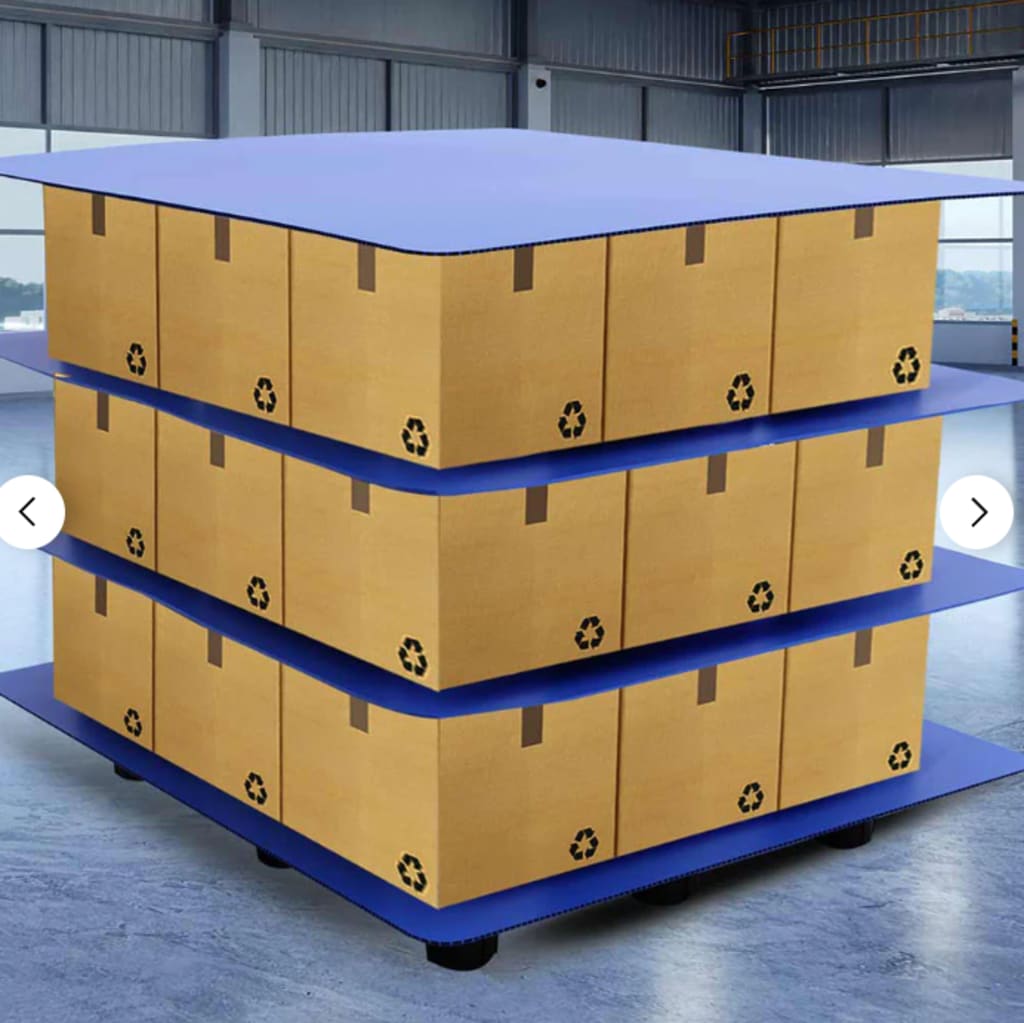
Pallet Covers and Sheets: Protect stacked goods from dust and external elements.
Foldable Containers: Reduce storage space when not in use and are highly sustainable.
5. Sustainable Packaging Protection
Recyclable Cardboard and Paper-Based Solutions
Biodegradable Packaging Materials
Plant-Based Packing Peanuts (eco-friendly alternative to Styrofoam)
Reusable Fabric and Mesh Wrapping
Innovations in Packaging Protection
With advancements in material science and technology, protective packaging is evolving to be more effective, sustainable, and efficient. Some key innovations include:
1. Smart Packaging
Embedded with RFID tags and sensors to monitor temperature, humidity, and shocks.
Helps in tracking package conditions, especially for perishable goods and pharmaceuticals.
2. Nanotechnology in Packaging
Development of ultra-thin yet highly durable films to provide enhanced protection.
Nanocoatings that improve moisture and oxygen resistance in food packaging.
3. Air-Lock Technology
Used in honeycomb core packaging to provide high-impact resistance while remaining lightweight.
Ideal for industrial and returnable packaging solutions.
4. Sustainable Packaging Materials
Shift from petroleum-based plastics to biodegradable polymers.
Increased use of recycled materials to minimize waste generation.
The Role of Sustainability in Packaging Protection
As businesses and consumers become more environmentally conscious, the demand for sustainable packaging protection has surged. Companies are now focusing on:
Reducing Single-Use Plastics: Transitioning to recyclable and compostable alternatives.
Lightweighting: Using less material without compromising protection.
Closed-Loop Recycling Systems: Implementing returnable and reusable packaging solutions.
Eco-Friendly Adhesives and Coatings: Ensuring full recyclability of packaging materials.
Many industries, including e-commerce, automotive, and food & beverage, are adopting sustainable protective packaging to lower their carbon footprint and align with global sustainability goals.
Challenges in Packaging Protection
While packaging protection is essential, companies often face challenges such as:
Balancing Protection and Sustainability: Some eco-friendly materials may not offer the same level of protection as traditional plastics.
Cost Concerns: High-quality protective materials can be expensive.
Regulatory Compliance: Different regions have different packaging regulations that companies must adhere to.
Consumer Expectations: People expect packaging to be both protective and minimal, reducing unnecessary waste.
Conclusion
Packaging protection is not just about preventing damage—it plays a crucial role in cost savings, supply chain efficiency, and sustainability. As industries continue to innovate, new materials and smarter packaging designs are making protective solutions more efficient and environmentally friendly.
By balancing protection with sustainability, businesses can ensure the safe delivery of goods while minimizing their impact on the planet. Whether through advanced air-lock technology, returnable packaging solutions, or biodegradable materials, the future of packaging protection is geared toward a smarter, greener world.
Would you like to explore the latest advancements in packaging protection? Stay updated with industry trends and innovations to make informed choices for your business.
About the Creator
Enjoyed the story? Support the Creator.
Subscribe for free to receive all their stories in your feed.
Comments
There are no comments for this story
Be the first to respond and start the conversation.