
Don't Kill Your Darlings
save them for a soggy story
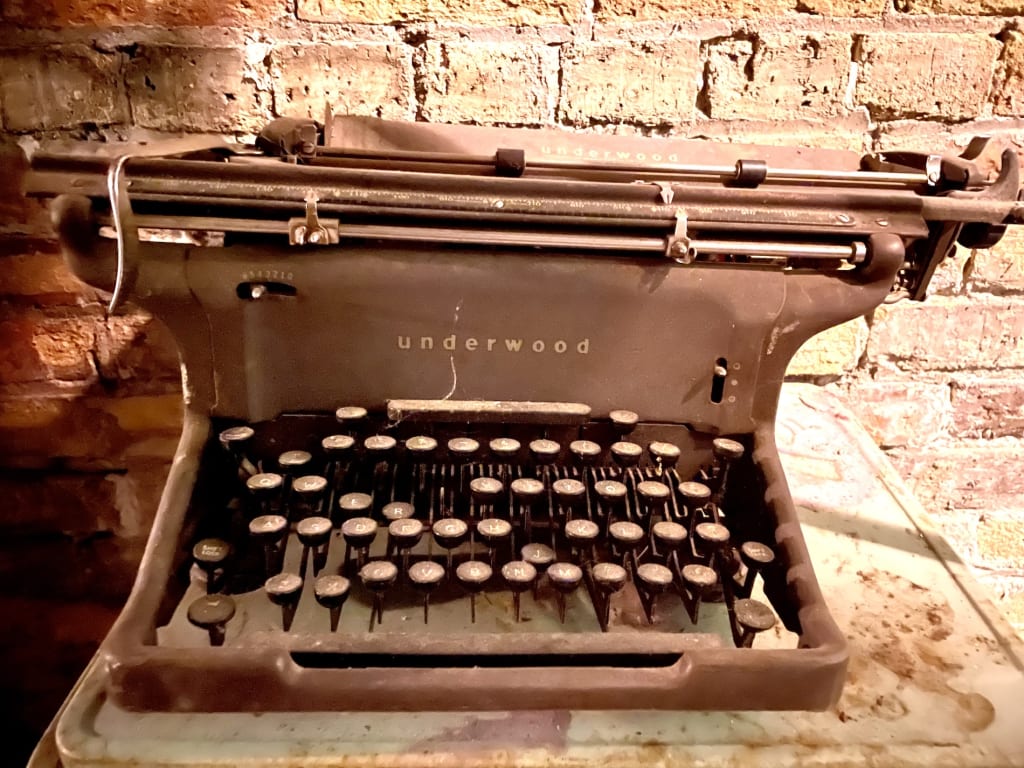
Often attributed to William Faulkner, the phrase "kill your darlings" actually began its life when Sir Arthur Quiller-Couch wrote "murder your darlings" in his 1916 book, On the Art of Writing.
Regardless of who said it, it means get rid of the dross, trim the fat - if it doesn't move your story forward, scrap it. No matter how clever or lovely you think your similies, alliterations and what-have-yous are, if they don't serve the story, they're in the way.
But - I don't kill my darlings.
If they aren't working for that particular story I stash them away for another time. Like a sentence/paragraph/novella bank, these bits are saved up for a rainy day or for a story that appears to be all wet.
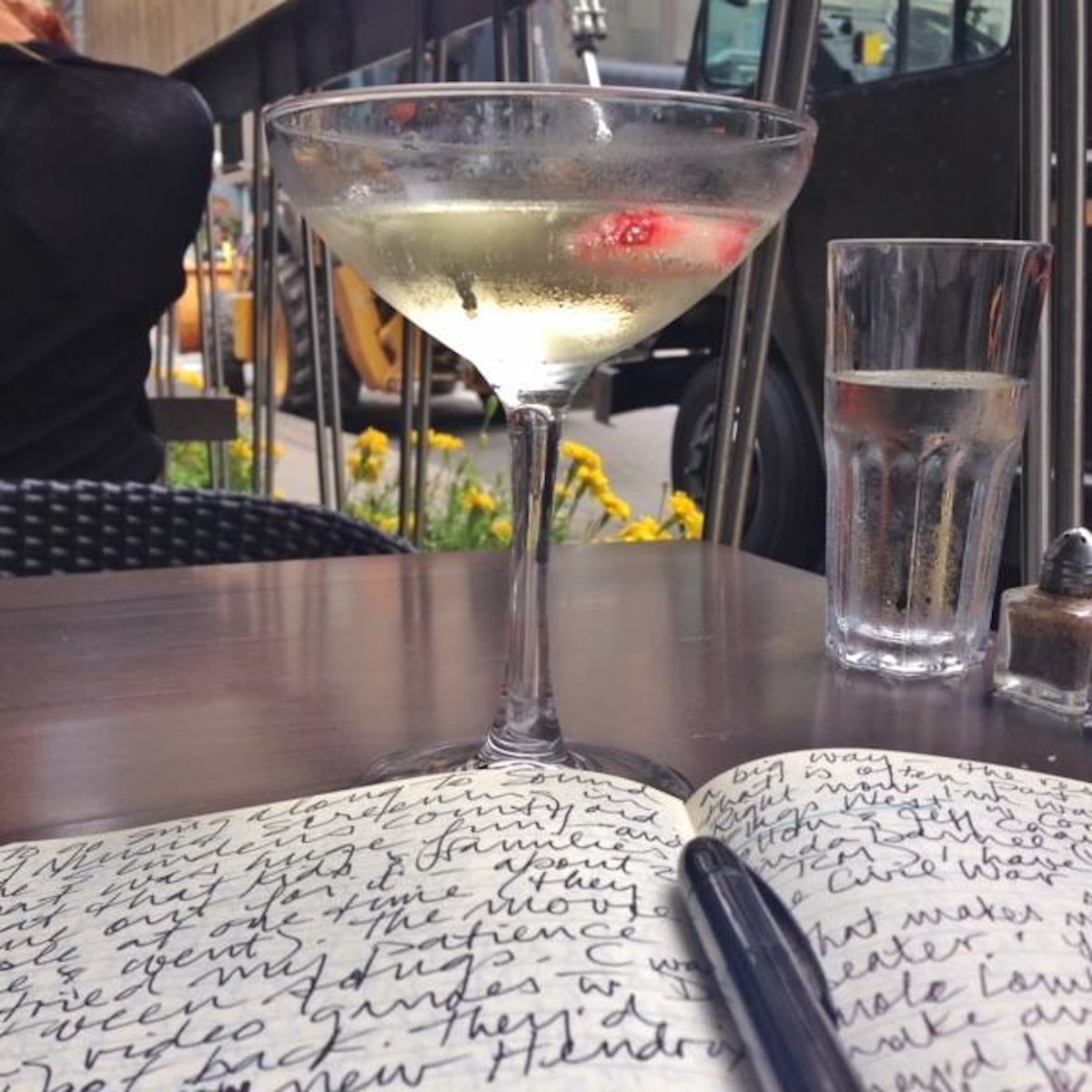
I write screenplays. Sometimes, especially if the script is not working, I give up on the screen part of it and focus on the play (the verb not the noun). This means writing prose - free-style maybe, stream-of-consciousness possibly - with no vision of how the work will translate to another medium, no pressure to do anything but tell the story with words; paint a picture, sure, but no movie projection in my head starring Clark Gable or Thelma Ritter - I jest, that's not my usual screenwriting practice, but you get the idea: let the poodles off the leash, as someone once said.
The following is a scene that got cut from a recent script-in-progress. Something about it speaks to me. It pleads: "Don't let me die. I have a purpose to fulfill."

So here it is, half short story, half screenplay, just one scene featuring a character named Gwen (*who made it into a story linked at the end here):
Gwen spent the evening creating a leaflet, just a few basic facts. And some scientific answers to questions she always got asked: Isn't your child just gay? Has your kid had the surgery? Isn't it just a phase? Will your child get the surgery? What kind of a life will your kiddo have under these circumstances? And what about the surgery?
Gwen stood on a corner near the town square to hand the flyers out. Her friend, Langston, accompanied her and sat on a nearby bench softly playing his guitar. Soon, their neighbour, Dora, came by. She smiled at Gwen and Langston and accepted a leaflet.
Giving it a little speed-read, Dora waved it about and laughed. “Ha! I’m seventy-four years old and I have no opinion about pronouns and all that stuff. I leave it to the youngsters!”
“That’s amazing, Dora. Most people have way too many opinions.”

“Well, I guess I’m with whats-er-name...you know, that lady who wrote Harry Potter.”
“What? You just said you have no opinion…”
“Well, I…”
“Oh. You meant no opinions of your own. Some uber famous billionaire writer barks out some not-twitter tweet and that’s good enough for you?”
“We all have a right to our opinion, Gwen. All that Harry Potter lady said was…”
“Oh, I know what she said. And it wasn’t all she said. That Harry Potter lady has got opinions up her Hufflepuff.”
“Her what?”
"Hufflepuff..." Langston sang, to a few plucked notes on his guitar.
“You know, Dora," Gwen said, "I’ve discovered that people tend to build walls around themselves with their opinions. And then you can’t get through to them at all."
Dora was interested but mystified. Langston strummed a soft soundtrack for her confusion.
"It’s like the three little pigs,” Gwen continued.
“It is?”

“Only even the big bad wolf can’t blow this particular house down because it’s made of opinionate. Not straw, not bricks, but opinionate.”
“Opinionate?” Dora said, her brow crinkling.
“Yeah. It’s like laminate, only it’s opinionate. And the only huffing and puffing that goes on is from the inside."
"Hufflepuff huff and puff,” Langston sang.
“There’s no such word as opinionate,” Dora said, ignoring the minstrel.
“That’s your opinion,” Gwen countered.
“And I am entitled…”
“Yeah, yeah. I know.”

Thanks for reading! Author's note: Gwen and I both care and do not care about others' opinions. We care when people (especially high profile people) state their opinions as truth and then spread that pseudo truth to hurt other people.
Teach us to care and not to care/Teach us to sit still/Even among these rocks - T.S. Eliot, Ash Wednesday
*Gwen can be found here -
About the Creator
Marie Wilson
HarperCollins published my novel "The Gorgeous Girls". My feature film screenplay "Sideshow Bandit" has won several awards at film festivals. I have a new feature film screenplay called "A Girl Like I".
Enjoyed the story? Support the Creator.
Subscribe for free to receive all their stories in your feed. You could also become a paid subscriber, letting them know you appreciate their work.
Comments
There are no comments for this story
Be the first to respond and start the conversation.