
Built for Tomorrow: How Ultra-Rich Estates Preserve Power Across Generations
The Mechanisms Keeping Power in the Same Families
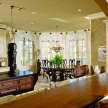

The ultra-rich rarely view a home as only a place to live. Instead, they often treat architecture as a long-term expression of identity, achievement, and family ambition. These homes become physical statements that communicate success while preserving values for future generations. As a result, every design decision can carry meaning far beyond comfort or style.
Today, wealthy families increasingly build estates with time in mind. They want properties that can serve children, grandchildren, and even descendants they may never meet. Consequently, these residences combine beauty, durability, privacy, and strategy. Through thoughtful design, the ultra-rich create homes that outlast trends and continue shaping family legacy long after the original owners are gone.
From the first design meeting, many ultra-wealthy homeowners think about how their estates will represent them in the future. Architects translate personal stories, family values, and cultural influences into buildings that feel meaningful and enduring. Therefore, the home becomes a visual record of ambition, taste, and identity.
Meanwhile, grand entrances, formal rooms, private galleries, and carefully chosen materials help establish a sense of permanence. These features do not simply impress guests; they communicate continuity. As a result, the estate becomes part of the family’s public and private image, linking present success with future remembrance.
Ultra-rich families often design homes that can support many stages of family life. Rather than creating spaces for one generation alone, they plan for children, grandchildren, guests, and extended relatives. Consequently, estates may include separate wings, guest houses, gathering rooms, and flexible living areas.
At the same time, these layouts help families remain connected while preserving privacy. Shared spaces encourage traditions, while private areas allow independence. Therefore, the estate becomes a family anchor where relationships grow, memories form, and younger generations learn the meaning of inheritance.
Luxury design often changes with fashion, but legacy-focused estates rely on materials that can endure. Stone, hardwood, marble, bronze, and custom masonry create a sense of strength and timelessness. As a result, the home resists short-lived trends and maintains its value over decades.
Furthermore, craftsmanship plays a major role in long-term design. Skilled artisans create details that machines cannot easily replicate. Therefore, hand-carved woodwork, custom metal finishes, and carefully built staircases become symbols of patience and excellence. These elements help future generations understand the care behind the estate’s creation.
For the ultra-rich, land often matters as much as the home itself. Expansive acreage provides privacy, security, and long-term control over the surrounding environment. Consequently, large estates allow families to protect views, preserve natural beauty, and prevent unwanted development nearby.
Similarly, land gives future generations options. Families can maintain gardens, create farms, build additional residences, or dedicate areas to conservation. Therefore, acreage becomes both a financial asset and an emotional inheritance. Through land ownership, wealthy families create a physical foundation for continuity.
Many ultra-rich homes function as private museums filled with art, rare books, antiques, and family records. These collections help preserve personal history while expressing cultural taste. As a result, the estate becomes a living archive that teaches future generations about family identity.
Meanwhile, private libraries, gallery walls, and climate-controlled storage rooms protect valuable objects over time. These spaces allow families to pass down more than wealth. Therefore, art and archives become tools for education, memory, and pride. They help descendants understand where they came from and what their family valued.
Privacy remains essential for families with great wealth and public visibility. Designers often create estates that shield residents from outside attention while maintaining elegance. Consequently, long driveways, strategic landscaping, and controlled entry points help protect daily life from unwanted exposure.
At the same time, interior layouts separate public entertaining areas from private family spaces. This design allows homeowners to host guests without revealing the entire residence. Therefore, privacy becomes part of the estate’s structure, not merely a security feature. It protects both personal comfort and family reputation.
Legacy estates must protect people, property, and valuable collections. As a result, many ultra-rich homeowners integrate advanced security systems into the architecture from the beginning. Hidden cameras, reinforced entries, access controls, and safe rooms help safeguard the residence without disturbing its beauty.
Likewise, security teams often design long-term protection plans for changing risks. Technology may evolve, yet the estate’s security framework remains adaptable. Therefore, the home can continue serving future generations safely. Strong protection helps preserve both the physical property and the family life built inside it.
About the Creator
Inspirata Group
Inspirata Group is a luxury design-build firm that crafts high-end residences with expert craftsmanship, seamless project management, and a timeless architectural vision.
Portfolio Website: https://theinspiratagroup.com
Enjoyed the story? Support the Creator.
Subscribe for free to receive all their stories in your feed.
Comments