
Are You Dark Enough
Being dark isn't a great thing, but for some it's a requirement.


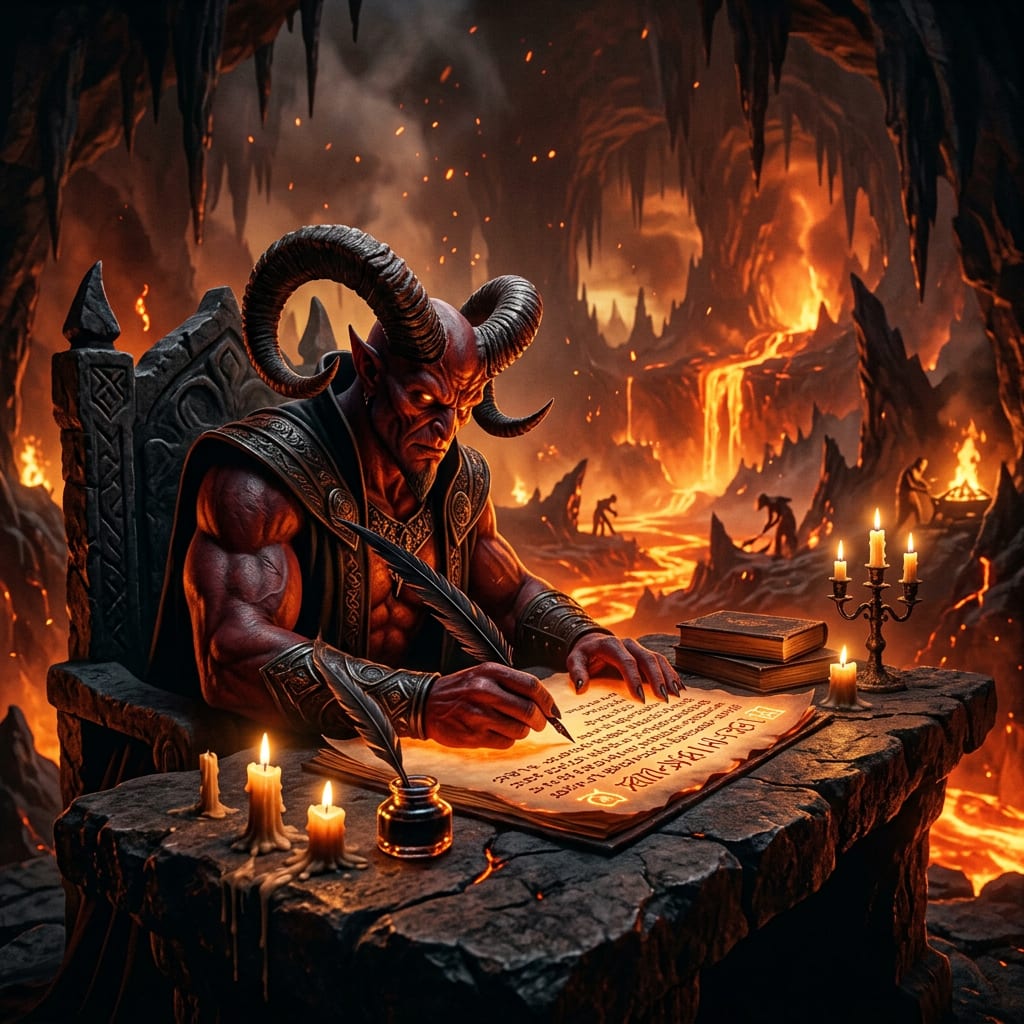
Are you dark enough? Would you challenge yourself to be darker? Is it something you could embrace? Or would you fear being darker or embracing the darkness inside you? For this particular reason, if you can't embrace the darkness, you're out of your depth.
Eventually, you'll find yourself face-to-face with a horror challenge. Vocal is undoubtedly hosting one at some point. Horror isn't easy to write. Well, not memorable horror. And when you're entering a writing challenge, you not only want it to be memorable, but you need it to be memorable. It simply has to stand out.
Setting aside, for a moment, the elements of horror writing, writers need something special to stand out as horror writers. To suspend the disbelief in your audience, you have to create something rooted in darkness. And to do that, you have to be willing to root yourself in that darkness.
How are you going to scare your readers? You have to exploit areas of the human condition that aren't pleasant, such as internal dread, unreliable perception, and the erosion of reality. Take the story "1408," for example. If you haven't heard of it, it's a horror story by Stephen King.
1408 centers on a skeptical author as he confronts supernatural terrors in a haunted hotel room. The author, Mike Enslin, is a non-fiction writer who has spent his life covering haunted locations and doesn't believe in the paranormal until he spends the night in a hotel room notorious for causing insanity and death.
The screenplay explores the realities of our imaginations facing off with our disbeliefs, as Mike Enslin encounters the paranormal experiences of the room and faces his worst fears.

Getting deeply into the madness of horror writing, greats such as Stephen King or Clive Barker dare to explore the forbidden. Much like writers of murder mysteries explore the realm of death and sadism, ruthlessness, and deception, horror writers have to explore the darker psychologies of the human mind.
When thinking of horror books, who comes to mind? Which author or work sticks out in your mind as you think of a book that stuck with you through the years? For many, it's The Shining.
The Shining contains a blend of gothic horror and psychological elements. Again, it explores the darker parts of the human experience. Jack Torrance is a recovering alcoholic who takes his family to the Overlook Hotel in the Colorado Rockies. They're unaware that little Danny can glimpse into the dark truths of a place like the Overlook.
Stephen King and his wife stayed at the Stanley Hotel, which inspired the book. King has been noted as saying the hotel had an eerie atmosphere and that he saw a young boy appear in the hallway. Delving into addiction, family dysfunction, and domestic abuse, as well as the supernatural, King explored multiple fears in the human mind.
King, Barker, John Carpenter, Wes Craven, and Dean Koontz, among many others, stand out because of their ability to entertain things others struggled to focus on. They go where normal people dare not and explore darker realms. To be a standout horror writer, this is a requirement.
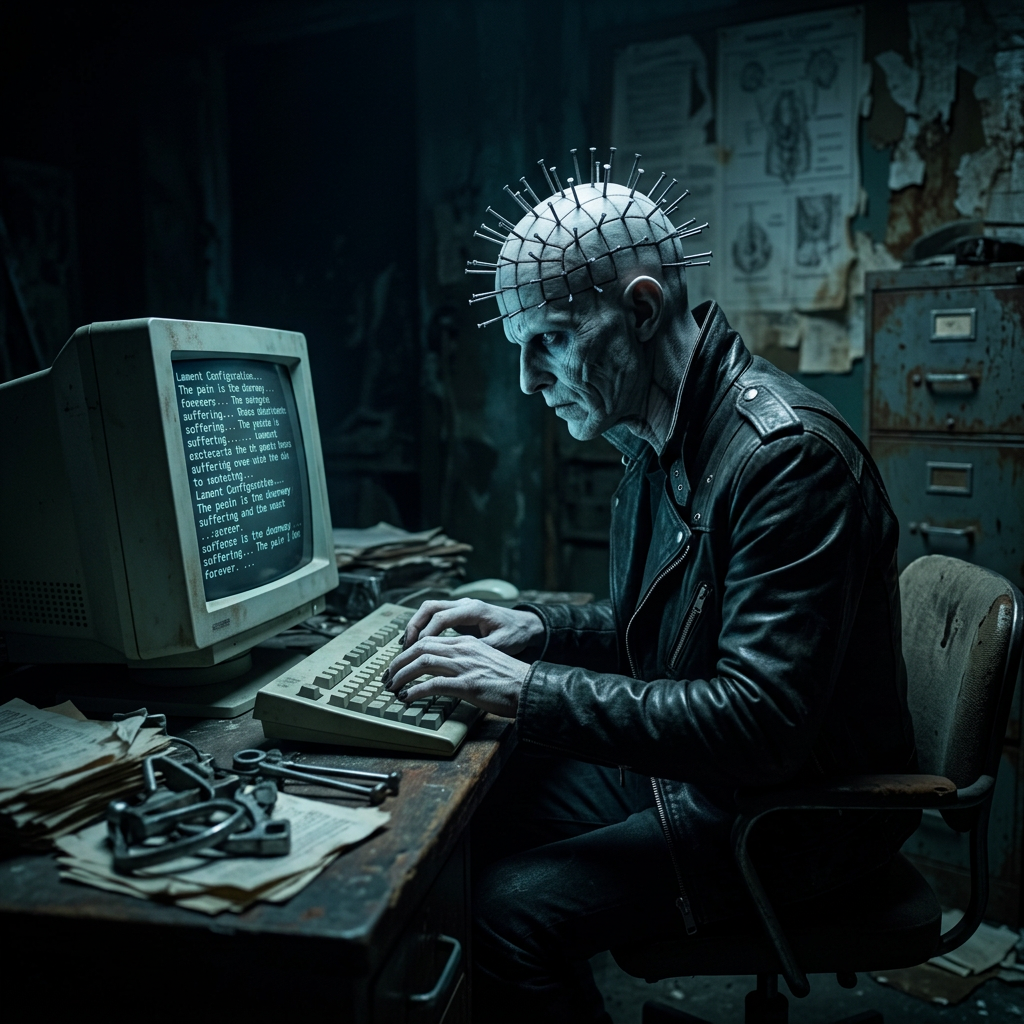
If you can truly get into the mind of madness and become something of the darkness that horror originates from, you have a chance to be a standout horror writer. But you have to get the elements of horror down, as well as be able to imagine horrific things. No, you can't just imagine evil and write horror. That makes you more of a serial killer waiting to happen than a writer.
Elements of Horror
To write horror, your story is built on a combination of things. Emotional impact, atmosphere, and a good narrative structure all come together to evoke feelings of fear, anticipation, dread, and suspense.
Setting and background:
Your setting is your foundation in any story. But in horror, isolated, threatening, and unpredictable are common elements of your setting. Weird towns, empty homes, the woods at night, or the danger-filled vastness of space are all settings with an isolated, threatening, and unpredictable feel.
Charactrs
Protagonist: Usually someone easily identified with, having a personal stake in the story, making their feelings more visceral.
Antagonist: The source of the fear in the story. It could be supernatural, psychological, or human in nature.
Your story plot and conflict.
A stronger story needs a clear conflict. What is the fight against? Is it a monster, supernatural evil, or psychological challenges?
Fear and Disgust.
The emotional core of horror is fear, which is typically of the unknown or bizarre. Disgust can amplify fear. Is it grotesque or morally repulsive?
Think about what Wes Craven did with A Nightmare on Elm Street. A child murderer, presumed sexual predator, is sought out and taken vengeance on after the societal protections failed to lock him up. It was morally repulsive, but Craven took it a step further. He brought the monster back for revenge through dreams, making him a hideously disfigured creature of the night.
The Ending
Some of the best horror out there has left things on an uncertain note. Did the evil get vanquished? Or will it return? And some have a strong, definitive ending.
One of the most disturbing horror stories to think about might be Deliver Us From Evil.
Does evil ever truly get vanquished? In Deliver Us From Evil, an NYPD Detective gets drawn into a case with supernatural implications. The movie does a good job of amplifying the showdown when the killer is captured, and Ralph Sarchie believes that it may be a demon inhabiting a man.
The story was loosely based on a New York Detective who went through something so profound that he would go on to work with Ed and Lorraine Warren, who The Conjuring series is based on.
Let's face it, any time horror is based in reality, it plays with the imagination of the viewers that much more.
Takeaways
The entertainment behind horror is always something to be debated. Who goes for this kind of stuff?
But when you think about the feelings it evokes, there's something special about horror. The thrill of your heart racing when you're scared also tells you that you're alive. The stories of surviving something so horrific that it is unimaginable give you heroes to root for. And the anticipation of seeing the monster get beaten gives you a moment to cheer for.
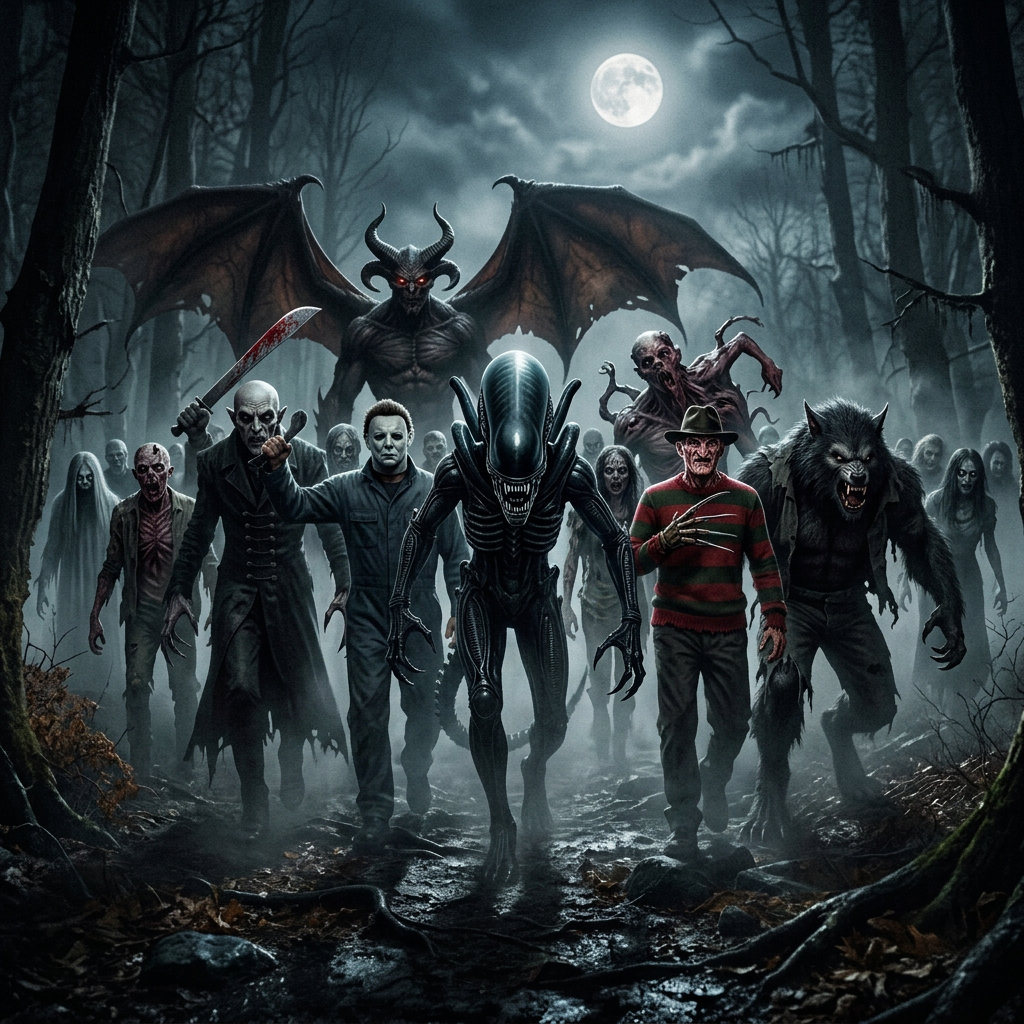
Horror is dark; it's gritty, and it's ugly sometimes. Freddy Krueger is based on the most realistic horrors imagined, and few people really felt for the character being hunted down and killed by the grieving parents after the system failed. But in that moment of revenge, who did you cheer for? The monster being killed, or the monsters lighting the man on fire?
It's a challenge to delve into horror, because it takes you to a special place. It takes you into the darkness where we're told not to go. It allows an exploration of the scary, taboo, and deeply rooted fears of humanity. And it allows us to imagine things unthought of, if only for a moment.
That's horror writing.
About the Creator
Jason Morton
From fiction to reality there’s tons to share about this crazy life. From being a single father, an officer, and having had many insane adventures while I learned about the world, my imagination runs wild with ideas.
Enjoyed the story? Support the Creator.
Subscribe for free to receive all their stories in your feed. You could also become a paid subscriber, letting them know you appreciate their work.
Comments
There are no comments for this story
Be the first to respond and start the conversation.