
Ajrakh Dresses
A Celebration of Heritage and Craftsmanship

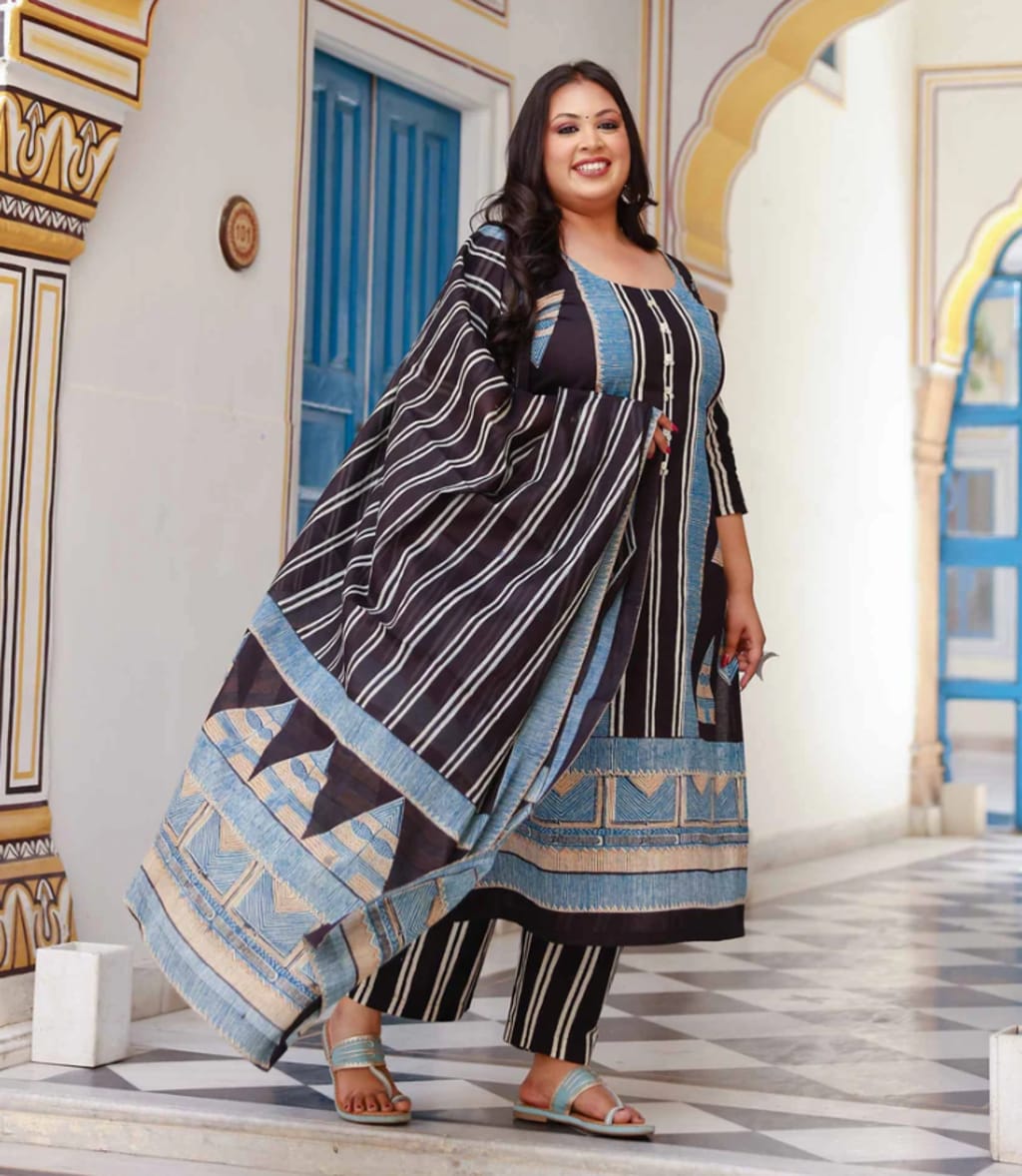
Introduction: The Timeless Allure of Ajrakh
Fashion is not just about trends—it’s a reflection of culture, heritage, and craftsmanship. Among the many traditional textiles that continue to captivate fashion enthusiasts, Ajrakh dresses hold a special place. With their intricate block prints, deep natural dyes, and rich history, these dresses are more than just garments; they are wearable pieces of art.
But what makes Ajrakh so unique? Where does it come from, and why does it continue to thrive in a world dominated by fast fashion? To truly appreciate Ajrakh dresses, we must first journey through their origins, craftsmanship, and modern relevance.
The Story Behind Ajrakh: A Textile Steeped in History
The origins of Ajrakh can be traced back over 4,500 years to the Indus Valley Civilization. This ancient block-printing technique flourished in Sindh (now Pakistan) and Gujarat, India, particularly among the Khatri community, which has preserved the tradition for generations.
The name "Ajrakh" is believed to derive from the Arabic word "Azrak," meaning blue, a color that dominates Ajrakh textiles. The process of creating these prints is deeply spiritual, often associated with the alignment of nature, time, and patience—qualities that are evident in every Ajrakh masterpiece.
The Art of Crafting Ajrakh Dresses
Unlike modern printed fabrics, Ajrakh dresses undergo a complex 14- to 16-step process that requires immense skill and precision. Each step plays a crucial role in ensuring the fabric’s beauty and durability.
1. Natural Dyeing
Ajrakh artisans use natural dyes derived from plants and minerals. Indigo (blue), madder root (red), turmeric (yellow), and iron rust (black) are commonly used. This eco-friendly approach ensures the fabric is gentle on the skin and sustainable.
2. Resist Printing
Ajrakh involves a resist-printing technique where wooden blocks are dipped in a mixture of gum and lime, creating intricate patterns. Multiple layers of printing and dyeing build the final design, which is highly symmetrical and detailed.
3. Water Treatment and Sun Drying
Between each dyeing stage, the fabric is washed in flowing river water and dried under the sun, which enhances the colors and fixes the prints. This process is repeated multiple times until the fabric reaches its final form.
The result? A textile that not only looks stunning but also feels incredibly soft, breathable, and long-lasting.
Ajrakh Dresses in Modern Fashion
Traditionally, Ajrakh was used to make shawls and turbans worn by Sindhi and Kutchi men. However, over time, designers and artisans have reimagined this craft, bringing Ajrakh dresses into contemporary fashion.
Popular Ajrakh Dress Styles:
Ajrakh Maxi Dresses – Flowing, elegant, and perfect for casual or semi-formal occasions.
Ajrakh Kaftans – A fusion of traditional and modern, offering comfort with style.
Ajrakh Anarkalis – Perfect for festive and wedding wear, blending heritage with grace.
Ajrakh Shirt Dresses – Minimalist yet striking, ideal for work or daily wear.
Ajrakh Wrap Dresses – A fusion of Indo-Western aesthetics, flattering all body types.
Each style celebrates the beauty of Ajrakh prints while catering to the modern woman’s wardrobe.
The Cultural and Ethical Significance of Ajrakh
Choosing Ajrakh dresses is not just about fashion; it’s about supporting slow fashion and ethical craftsmanship. Unlike mass-produced textiles, Ajrakh garments are hand-printed, ensuring that every piece is unique and created with care.
Why Supporting Ajrakh Matters:
✔ Preserving Traditional Craftsmanship – By buying Ajrakh, you help sustain the livelihoods of artisans who have inherited and perfected this skill over generations.
✔ Eco-Friendly Choice – Ajrakh uses natural dyes, making it a sustainable alternative to chemical-laden fast fashion.
✔ Timeless Appeal – Unlike seasonal trends, Ajrakh prints remain evergreen, making them a worthy investment for any wardrobe.
Styling Ajrakh Dresses: A Blend of Old and New
Ajrakh prints are bold yet versatile, allowing for various styling options. Whether you love bohemian, minimalist, or ethnic fashion, you can seamlessly incorporate Ajrakh dresses into your personal style.
For a Casual Look:
Pair an Ajrakh maxi dress with strappy sandals and oxidized silver jewelry.
Opt for an Ajrakh shirt dress with white sneakers for a contemporary feel.
For Festive or Ethnic Wear:
Choose an Ajrakh Anarkali dress with juttis (traditional Indian footwear) and statement earrings.
Layer an Ajrakh kaftan over palazzo pants for an effortless yet regal look.
For Office or Workwear:
A structured Ajrakh wrap dress with a belt gives a polished and professional appearance.
Layer an Ajrakh tunic dress with a blazer for a fusion of traditional and corporate styles.
Where to Find Authentic Ajrakh Dresses
Finding authentic Ajrakh dresses requires some research, as many machine-printed imitations flood the market. Handcrafted Ajrakh textiles are usually pricier due to their labor-intensive production, but the quality and authenticity make them worth the investment.
Look for trusted sources such as:
Artisan-led cooperatives in Kutch and Gujarat.
Ethical fashion brands that collaborate with Indian textile artists.
Craft fairs and handloom exhibitions that promote traditional textiles.
Conclusion: The Everlasting Charm of Ajrakh
In a world driven by fleeting fashion trends, Ajrakh dresses stand as a testament to the beauty of slow fashion. They encapsulate centuries of heritage, skilled craftsmanship, and an eco-conscious approach to textile creation.
Whether you wear an Ajrakh dress for its aesthetic appeal, sustainability, or cultural significance, you are embracing more than just a piece of clothing—you are celebrating history, artistry, and ethical fashion.
So next time you’re looking to add something unique and meaningful to your wardrobe, let Ajrakh be your choice. After all, some traditions are timeless, and Ajrakh is undoubtedly one of them.
About the Creator
Enjoyed the story? Support the Creator.
Subscribe for free to receive all their stories in your feed.
Comments
There are no comments for this story
Be the first to respond and start the conversation.