
1940s Films and the Unreliable Narrator
Funny, how gentle people get with you once you're dead.



“I remember the day that Vocal challenged me to write a story with an unreliable narrator.”
So says the disembodied voice, just a heartbeat after we hear the shots and see a corpse face down in the sparsely furnished, cheap motel room.
“So let’s start this easy. I didn’t do it. I know what it looks like, but it wasn’t me.”
Someone leaves the room, a shot of the door shutting. The sound of a lock turning and then stiletto footsteps until a car revs its engine in the parking lot outside.
“I didn’t do it, I tell you. But I can tell you how to write a good alibi, a shady character, a braggard, a mad man or a clown. I’m just trying to decide which one I have to be.”
In the car a beautiful woman, blonde hair being pulled back by the wind of the drive, red lips, a steely stare at the road ahead.
“Here goes! Enjoy the wild ride of an imaginary 1940s screen writer’s guide to the unreliable narrator.”
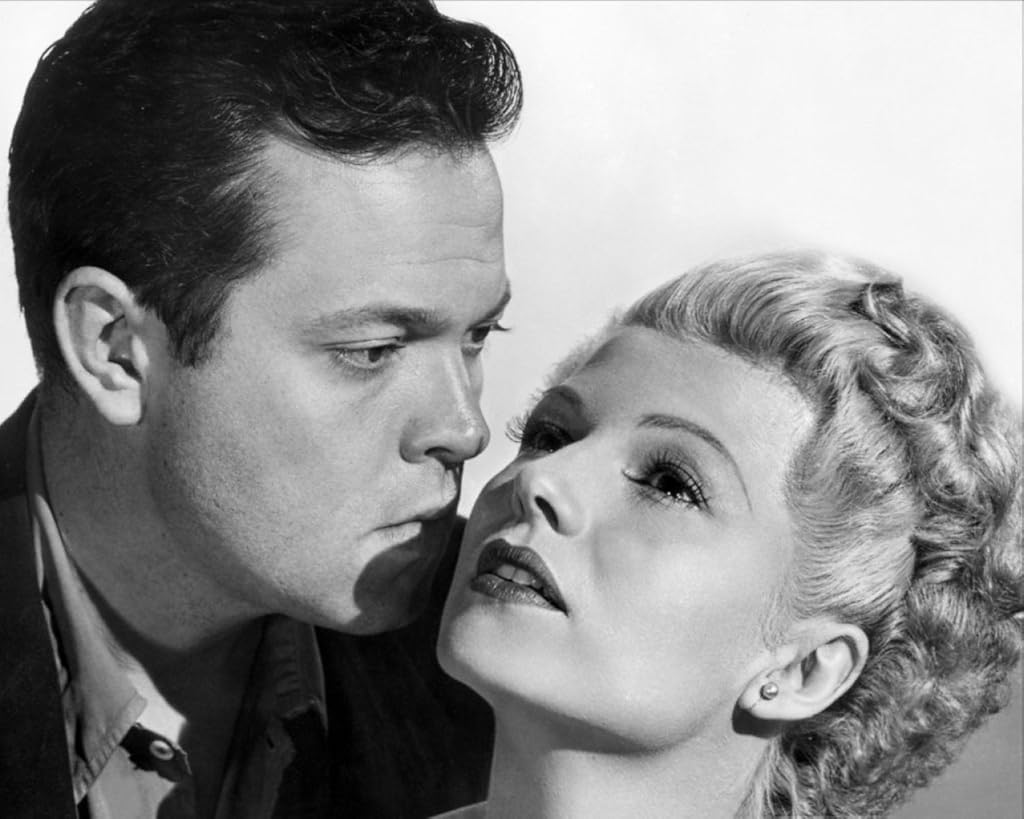
The 1940s was the era of the voice-over in cinema. Of course, not all narrators can be coined unreliable, but even the objective voice of science or history contains a certain smug subjectivity about their expertise or intelligence.
Voice-overs have gone out of style in cinema because we are firmly in the era of “show don’t tell”. It can sound gauche to have a narrator cutting across the image, displacing the naturalism. But at its finest, the voice-over takes the audience deeper. It makes us connect with the pictures on a psychological level. Good narrators point us to the nuance and complexity of motive and emotion.
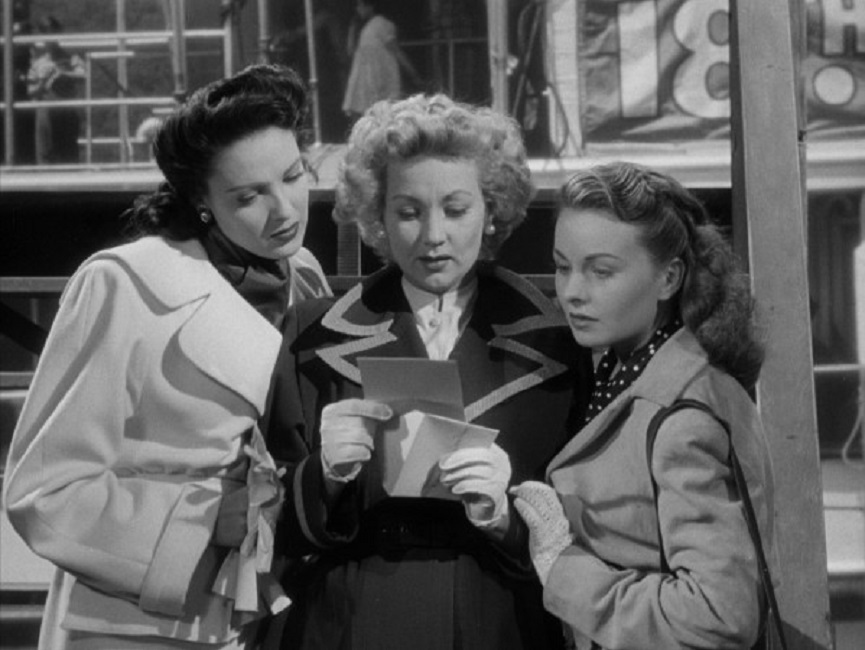
In literary theory there are five types of unreliable narrator, starting with the braggard. The person that exaggerates for effect, who needs us to believe their deluded superiority. Like the seductress of A Letter to Three Wives (1949), taunting a cohort of spouses that she is better than them, that all their husbands are vulnerable to her allure. The narrator here is unreliable, but also credible as mellifluous, tempting, cruel.
Deborah Bishop: Why is it that sooner or later no matter what we talk about... we wind up talking about Addie Ross?
Addie Ross: [off voice] Maybe it's because if you girls didn't talk about me you wouldn't talk at all.
The off screen voice matters.
Celeste Holm voiced the narrator – Addie – but at the time of release this was kept secret, and "Guess Addie" competitions were held. She needed to be believed as someone capable of taking a husband from three attractive women.
The unreliable narrator in this case allows the norms and constraints of society to move from subtext to centre-stage. Class, gender and taste laid out for the viewer, uncovering insecurities and perceived inadequacies. All wrapped up in a beautifully narrated light romantic comedy.
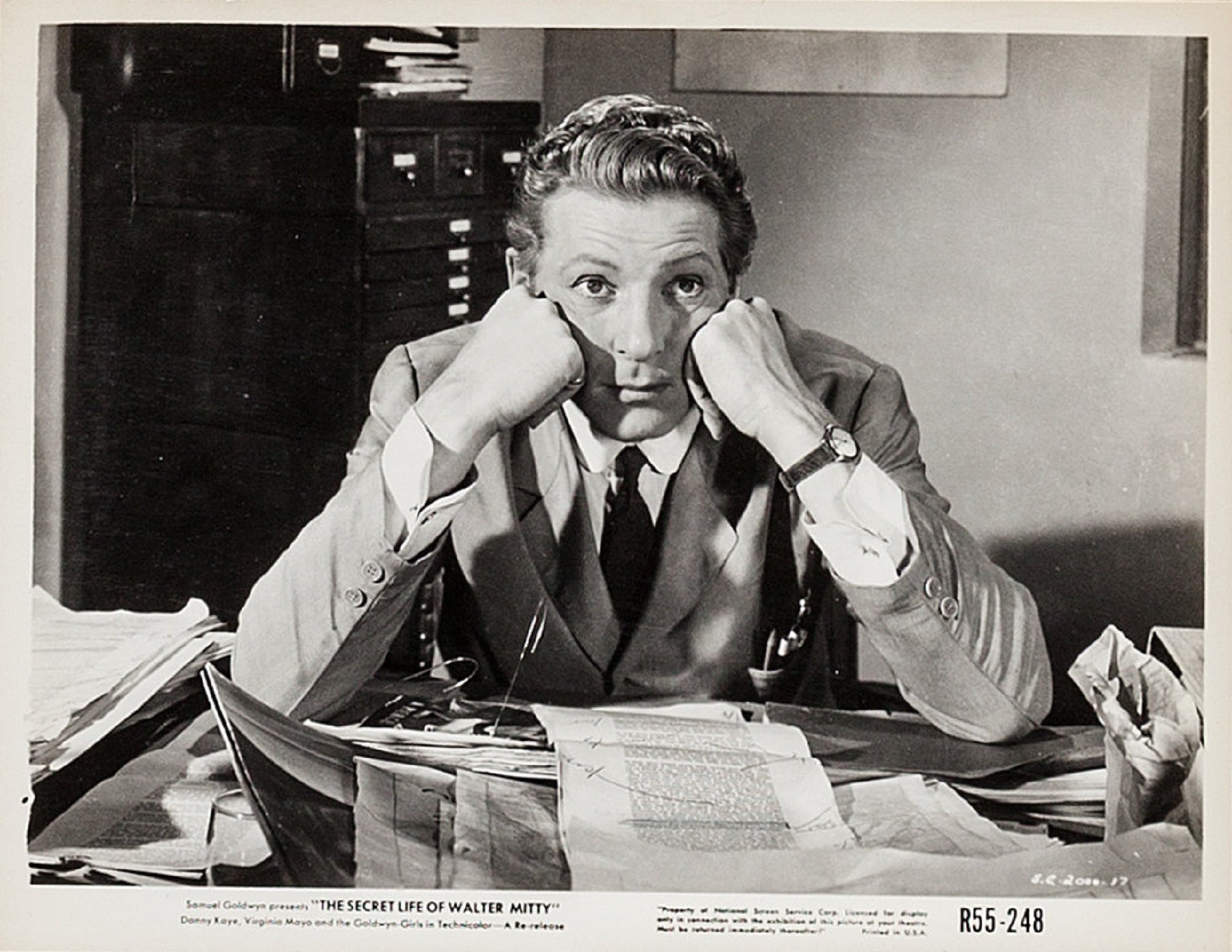
The second unreliable narrator trope is of the clown. This is portrayed brilliantly by Danny Kaye’s comic turn in The Secret Life of Walter Mitty (1947). His internal monologue narrates his day-dream sequences and his cravings amidst the boredom of his real life.
The unreliable narrator’s role here is to take us from reality to dream-land and back again to allow us to laugh at him and his social shortcomings. But behind the comedy is a pathologically shy man, who wants people to see him as he does in his fantasy world – as capable, interesting, connected.
Your small minds are musclebound with suspicion. That's because the only exercise you ever get is jumping to conclusions.
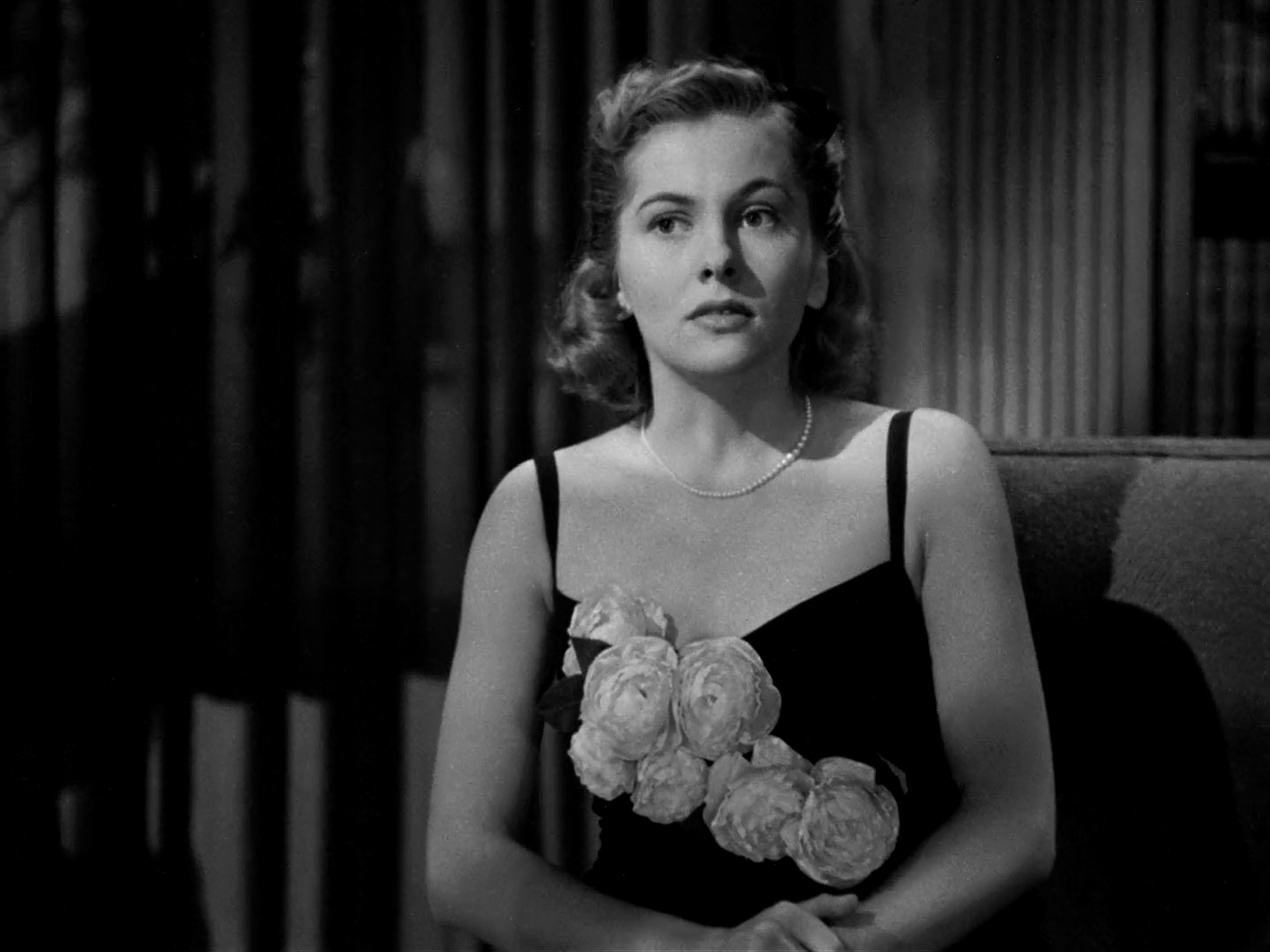
Then, third, we have the innocent – the person who doesn’t know any better. This could also be played for laughs, or it could take a more Gothic turn, such as the second Mrs De Winter of Rebecca (1940). Joan Fontaine opens the film with a voice over describing a dream. She is nervous, fragile and in the dark about her husband’s past. She is socially awkward, aware of her flaws and desperately insecure. Her world is full of characters who lead double lives, split personalities, shadowy presences. And she is a fairy tale wisp of a girl lost in their woods.
Hitchcock choses her as a the narrator, because by sticking to her viewpoint he suppresses our knowledge of who Rebecca really was and the nature of the ‘threat’ she poses until Maxim’s confession scene late in the narrative.
You thought I loved Rebecca? You thought that? I hated her!
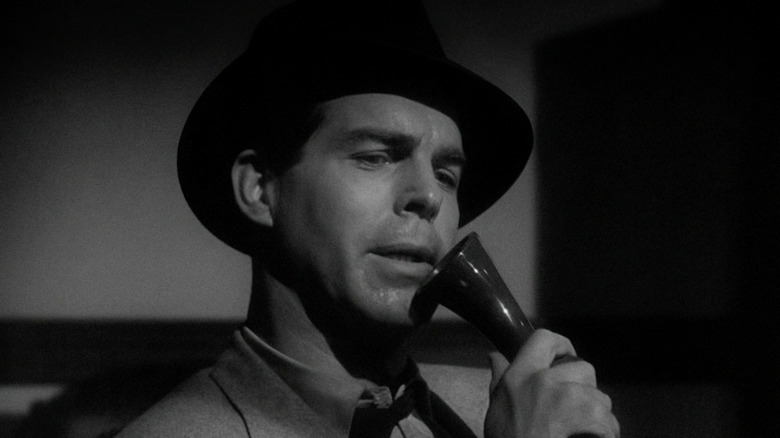
But the 1940s film particularly excels at the final two kinds of unreliable narrator – the mad and the deceiver.
By the 1940s,the US had lunged from the depression era to the trauma of World War 2 into the paranoia of the Cold War. Outwardly the economy was in recovery and the new era of mass consumption had arrived. The forecast looked good, but the films seemed incapable of putting on a smiling face. Film Noir was still living through terrifying uncertainty and alienation.
Characters could not be simply good or bad archetypes. They became cruel, duplicitous, unpredictable with occasional brutal violence. The stories they inhabited became fractured, non-linear, subjective, dizzying.
Film Noir is trauma on a screen. And a trauma constrained by the censorhip of the Production Code, forcing it into different shapes and carefully selected banter.
Madness proliferates, especially in insecure, claustrophobic relationships. Voice-over becomes confession about falling too deep for the sassy broad with an anklet and an husband she needs dead.
Yes, I killed him. I killed him for money - and a woman - and I didn't get the money and I didn't get the woman. Pretty, isn't it?
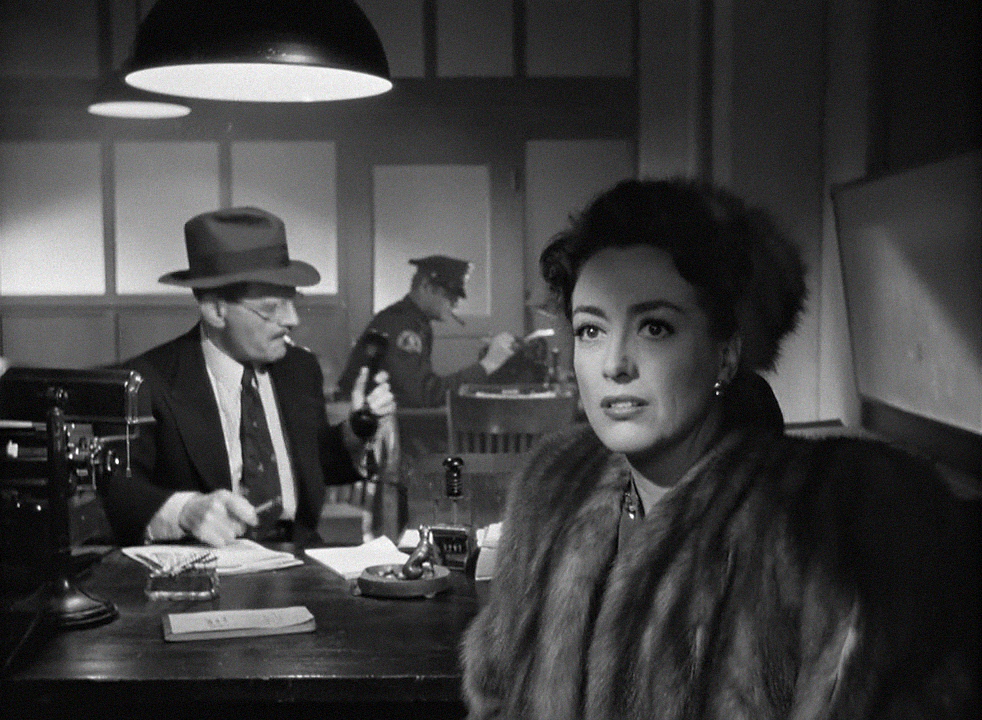
And lies, so many lies.
We saw the shot. We heard him cry, “Mildred” – so she must have done it, yeah? Or, no? She’s talking to the police – she can’t tell lies in the investigation room, can she? Amidst the shadows and dishonesty, the spiral staircase, the distorting camera angles, the shoulder pads and fur, who really killed Monte? Motives are complex and hidden even to the protagonists as they try to narrate a truth they need us to believe.
I was in love with him and I knew it for the first time that night. But now he's dead, and I'm not sorry. Wasn't worth it.
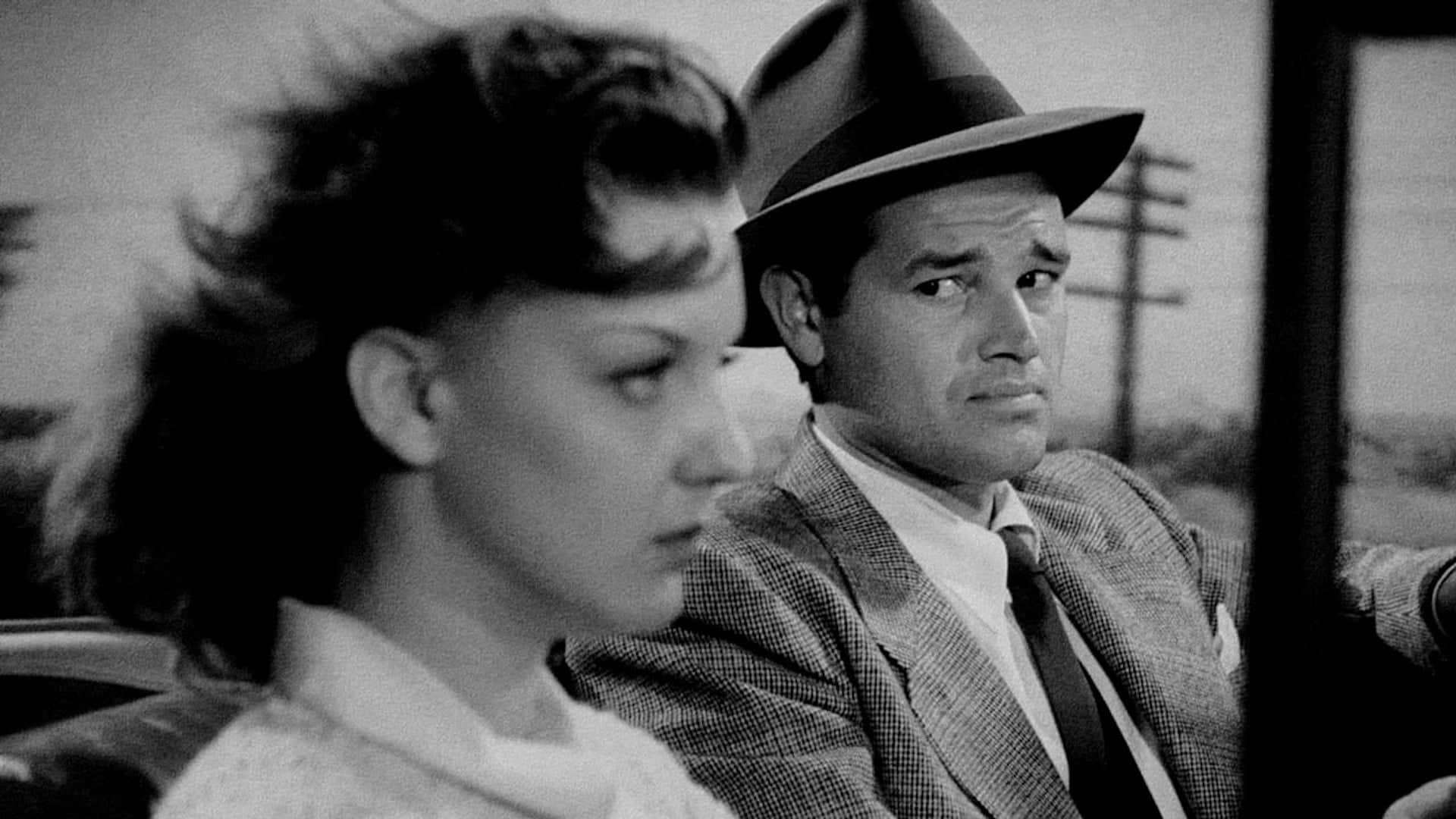
When using a unreliable narrator, it might be useful to ask yourself the following questions:
- What kind of narrator are you going to employ – a braggard, a clown, a naif, a mad person or a straight-up liar?
- The voice is everything. Hear it in your head. Is it seductive, paranoid, confused, smooth or tense?
- What is the context? What is curtailing the narrative voice? What censorship is involved? How do they censor themselves?
- Why does your narrator start talking? What is their motive? What has given them a reason to express their version of events? (And when you know this, maybe start in the middle of the action)
What matters for the reader is that they become embroiled in the thoughts and feelings of one character, so that sifting the reality from the need to deceive is a source of constant speculation.
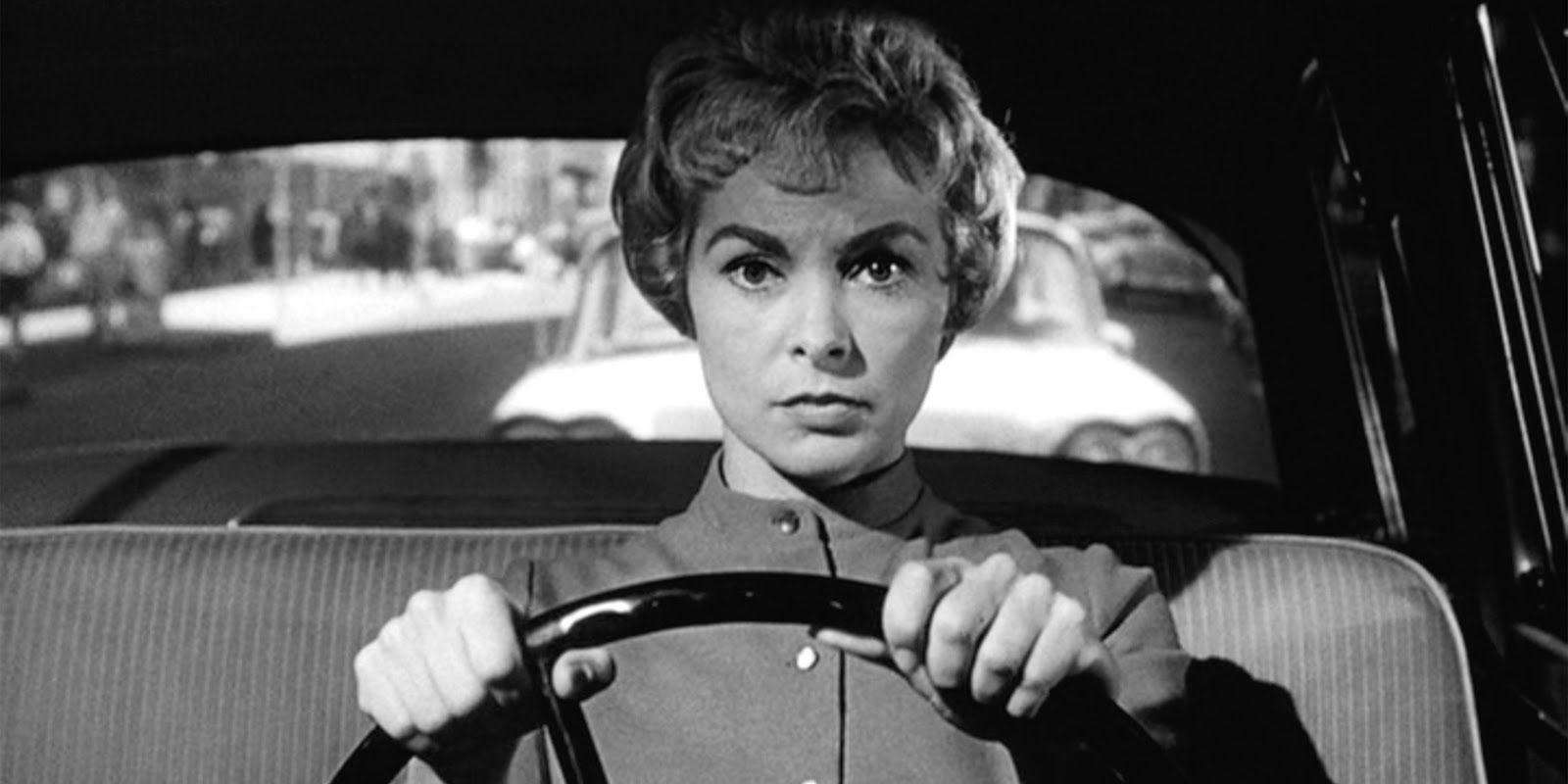
Back to the blonde in the speeding car. Is that a smirk or a sneer on her face? She breezes away as the voice over continues:
“I didn’t do it. And I’m not going to fry for him. This is just what you get for being unreliable.”
The police siren follows her...
Good luck with the challenge.
About the Creator
Rachel Robbins
Writer-Performer based in the North of England. A joyous, flawed mess.
Please read my stories and enjoy. And if you can, please leave a tip. Money raised will be used towards funding a one-woman story-telling, comedy show.
Enjoyed the story? Support the Creator.
Subscribe for free to receive all their stories in your feed. You could also become a paid subscriber, letting them know you appreciate their work.
Comments
There are no comments for this story
Be the first to respond and start the conversation.