
Your Car's Paint Is Quietly Suffering
Here's How to Stop It

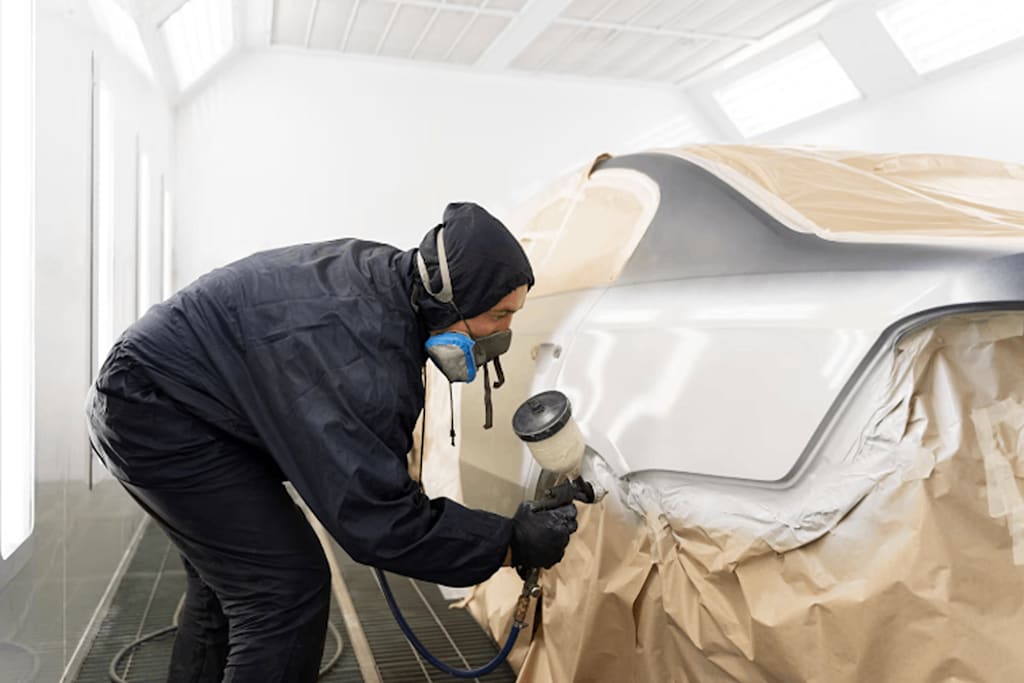
Most people think about their car's paint the same way they think about their own health. It's fine until it suddenly isn't, and by then the damage is already done. The reality is that paint deteriorates gradually, through dozens of small incidents that individually seem harmless but accumulate into something expensive to fix and impossible to fully reverse.
The good news is that keeping a car looking genuinely good for a decade or more isn't complicated. It just requires consistency and knowing which habits actually matter.
Start With How You Wash It
Washing a car incorrectly causes more paint damage than most people realise. The single biggest culprit is a dirty wash mitt being dragged across paint; every particle of grit caught in the sponge or cloth becomes a tiny abrasive, scratching the clear coat with every stroke.
The two-bucket method solves this almost entirely. One bucket contains your soapy wash water. The second contains clean water for rinsing the mitt between passes. Every time you load up with fresh soap, you're starting with a clean mitt rather than one carrying the dirt from the panel you just cleaned.
Always work from the roof downward; gravity helps move contamination away from the panels you've already done. Use a pH-neutral car shampoo rather than household detergent, which strips protective wax and gradually attacks the clear coat. Dry with a clean microfiber towel immediately after rinsing, since water sitting on paint in sunlight is a reliable way to create water spots that take real effort to remove.
If you park near the coast, drive on dusty roads, or regularly find yourself under trees, washing weekly is genuinely worth the effort. Bird droppings in particular can etch through the clear coat in a matter of hours on a hot day; they're acidic, and heat accelerates the chemical reaction significantly.
Where You Park Matters More Than You Think
UV exposure is paint's most persistent long-term enemy. Sunlight causes oxidation and fading gradually, and invisibly, you don't notice it happening, but after a few years, the difference between a garaged car and one that has lived outside is stark.
Park undercover wherever you can. If that's not possible, shade is better than direct sun, though trees introduce their own problems in the form of sap, bird activity, and falling debris. Concrete surfaces are kinder to paint than asphalt, which absorbs heat and radiates it back upward against the underside of the car.
It's one of those things that sounds too simple to matter, but the cars that still look good after ten years are almost always the ones that spent most of their lives under a roof.
Wax is Protection, Not Just Polish
A lot of people treat waxing as an optional finishing touch rather than a maintenance essential. It's actually a protective barrier that stands between your paint and everything the environment throws at it: UV rays, bird droppings, tree sap, industrial fallout, and general road grime.
Traditional carnauba wax gives a beautiful, warm depth to the finish, but needs reapplying every couple of months. Synthetic waxes last longer and are easier to apply; every three to four months is sufficient for most daily drivers. Paint sealants push that interval out to six to twelve months. Ceramic coatings, professionally applied, can last several years and create a hard, hydrophobic surface that makes cleaning dramatically easier while providing excellent protection against chemical etching.
Whichever option suits your situation and budget, the key is applying it in thin, even layers and removing it before it fully dries. Work in small sections rather than doing the whole car at once, and always do it out of direct sunlight.
Deal With Contamination Immediately
This is the one that catches people out most often. A bird dropping lands on the bonnet. You notice it, think you'll deal with it later, and forget. Two days later, on a hot afternoon, it had etched its way through the clear coat and left a permanent mark.
Keep a small bottle of quick detailing spray and a clean microfiber cloth in the car. For bird droppings, tree sap, or bug splatter, soften the contamination with the spray first, rather than wiping it. Dry dragging solid matter across paint is another reliable way to introduce scratches.
For more stubborn or embedded contamination, brake dust, rail dust, and road tar, dedicated chemical removers are the right tool. A clay bar treatment done a couple of times a year pulls out contaminants that washing alone can't shift and leaves the paint feeling genuinely smooth rather than just clean.
Seasonal Adjustments
Summer and winter both require slightly different approaches. In the hotter months, UV intensity is highest, and paint oxidises fastest. Extra wax protection and consistent shade-seeking make the most difference. In winter, road salt is the primary concern. It's highly corrosive to both paint and the metal underneath, and it tends to accumulate in places that aren't immediately visible.
Washing weekly during winter is worth the effort, specifically to remove salt before it has time to cause damage. A touchless car wash is preferable during these months, since conventional brushes can trap salt crystals and drag them across the paint. Washing the undercarriage matters too; it's where salt accumulates most heavily and causes the structural corrosion that eventually becomes genuinely expensive.
When to Stop DIYing and Call a Professional
Paint chips that expose bare metal need attention sooner rather than later. Once metal is exposed to air and moisture, rust begins, and rust spreads under the paint invisibly before it becomes visible on the surface. A chip larger than a small coin is worth having professionally touched up with colour-matched paint.
Similarly, if a scratch catches your fingernail when you run it across the surface, it's gone through the clear coat into the base coat or beyond. Surface scratches that don't catch the nail can often be addressed with machine polishing. Deeper ones generally can't, at least not without making the surrounding area look worse in the process.
Professional paint inspection once a year is worthwhile for anyone who drives regularly in harsh conditions. Catching minor issues before they become major ones is always cheaper than the alternative.
Paint care isn't about vanity, though looking good certainly doesn't hurt. It's about protecting the layer that stands between the elements and the metal underneath your car. A well-maintained finish adds to resale value, prevents corrosion, and extends the functional life of the vehicle in ways that aren't immediately obvious but add up significantly over time.
The fundamentals are straightforward: wash properly and regularly, protect with wax or sealant, deal with contamination immediately, park sensibly, and address minor damage before it becomes major. None of it requires specialist knowledge or expensive equipment. It just requires showing up consistently, which, as with most things worth maintaining, turns out to be the hardest part.
About the Creator
Mark Lim
Hi I am mark an automotive student and a car, tech and food enthusiast ! Im gonna try and post daily & hope you enjoy what I write and do share my page with people you know. I would gladly appreciate it! Cheers
Enjoyed the story? Support the Creator.
Subscribe for free to receive all their stories in your feed.
Comments
There are no comments for this story
Be the first to respond and start the conversation.