
You Own the Car, but Do You Have the Right to Fix It?
The Right to Repair battle just landed in the Oval Office, and the fight between automakers and owners over who controls your vehicle's data is more consequential than it sounds


Here is a situation that would have seemed absurd to any car owner from a previous generation: you buy a vehicle outright, you own it completely, you make payments on it or hand over cash and take the title and then you discover that you cannot access the diagnostic information needed to understand what's wrong with it, let alone fix it yourself or take it to the independent mechanic of your choice.
This is the Right to Repair dispute, and it has been quietly building for years between automakers and everyone else, independent repair shops, consumer advocates, and now, apparently, the President of the United States.
How This Got to the Oval Office
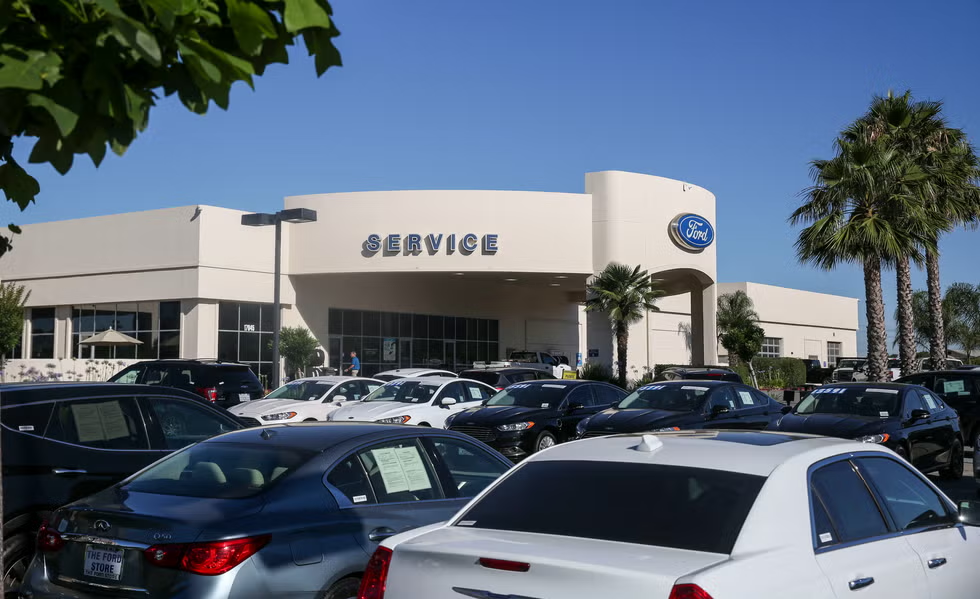
In early June, representatives from Ford, General Motors, and auto dealer empire leader Roger Penske met with President Trump to discuss Right to Repair legislation. Trump mentioned the meeting during a separate Oval Office conversation about coal plants, describing the automakers' position as "strange" and expressing apparent surprise that manufacturers "don't want people to fix their car."
He also reminisced about people he knew in his youth who "weren't too good at arithmetic" but could "fix an engine blindfolded," which, whatever else it is, captures something true about the cultural significance of automotive self-repair in America.
Trump wasn't specific about which legislation he was referencing; there are multiple bills in Congress addressing vehicle Right to Repair, and his proposed solution amounted to a vague promise that the federal government would "get it all straightened away." Not exactly a detailed policy framework, but the fact that the issue has reached this level of visibility signals something about where the political momentum currently sits.
What Ford's CEO Actually Said
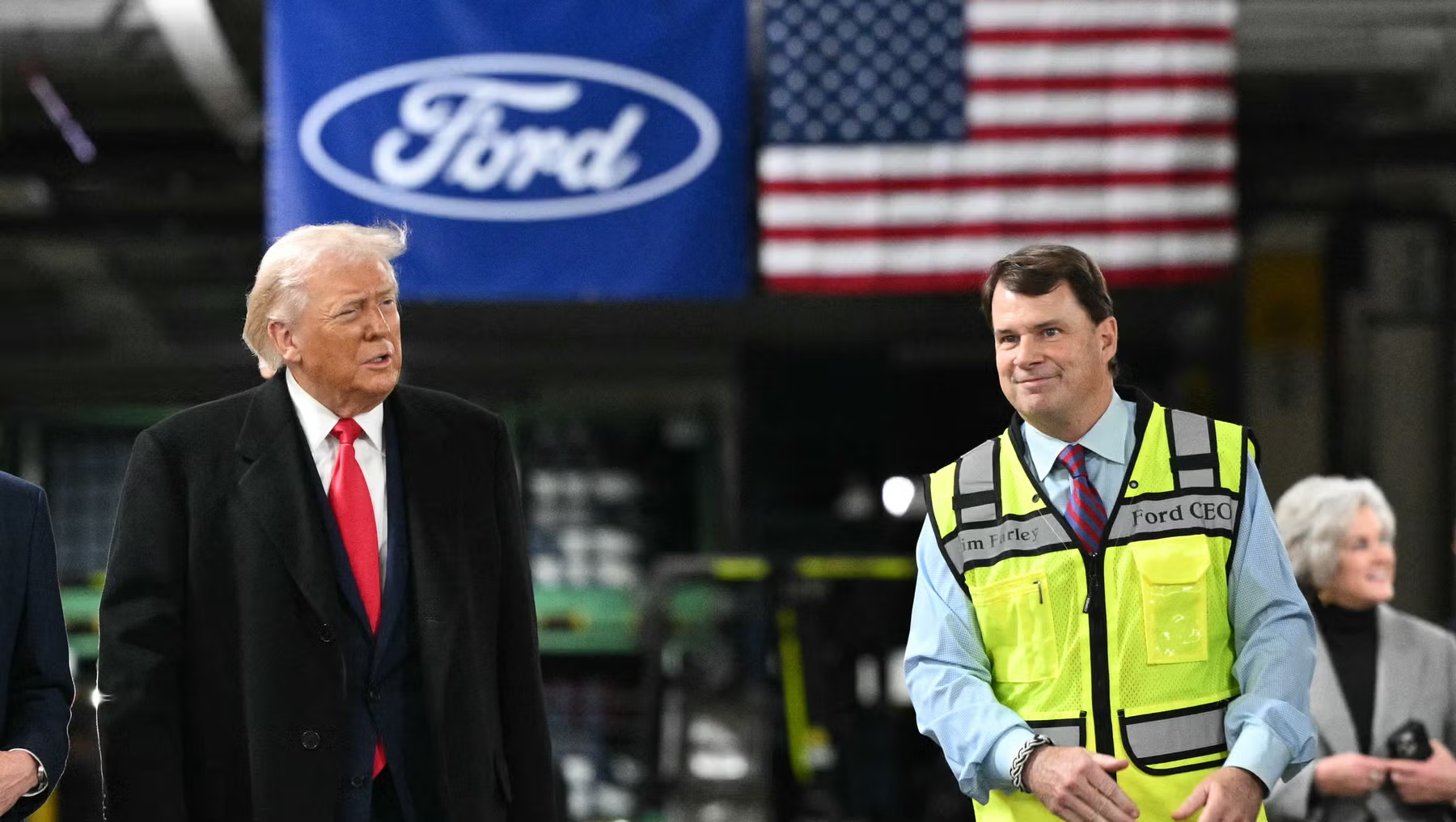
Jim Farley responded to Trump's comments in a video interview with the Detroit Free Press, and his framing is worth examining carefully because it illustrates exactly how this debate gets conducted.
Farley said he can fix a 1973 Ford Bronco himself, but that someone attempting to fix a new Bronco at home "would put people's lives at risk." He also noted that Ford doesn't want owners doing warranty work at home.
The warranty point is largely beside the point. Right to Repair advocates are primarily concerned with access to diagnostic and repair information across the entire ownership period, not just during warranty coverage. Many owners want to maintain and repair vehicles they've owned for years, well past any warranty consideration.
The safety argument is more interesting. It's true that modern vehicles are substantially more complex than a 1973 Bronco, and that some repairs genuinely require specialised knowledge and equipment. But the logical conclusion of the safety argument that owners and independent shops shouldn't be trusted with diagnostic access would mean that anyone outside the manufacturer's authorised network is inherently dangerous, which is a position that doesn't hold up well against the reality that independent mechanics have been competently servicing complex vehicles for decades.
Farley also mentioned that owner repairs need to be done at a reasonable cost, without elaborating which, as Car and Driver noted, could actually be read as an argument in favour of Right to Repair. If cost is the concern, broader access to diagnostic tools and repair information would reduce costs by increasing competition.
What Automakers Are Actually Protecting
The safety and security arguments that manufacturers advance through lobbying groups like the Alliance for Auto Innovation are not entirely without merit. Connected vehicles do present genuine cybersecurity considerations. There is a legitimate argument that unrestricted access to vehicle computer systems could create vulnerabilities that bad actors might exploit.
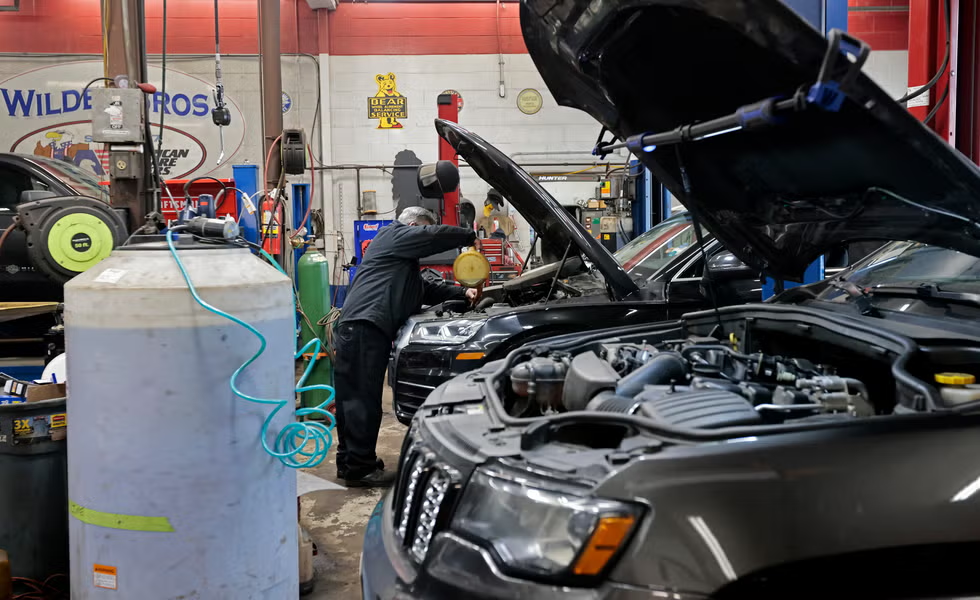
But the cybersecurity argument doesn't fully explain why manufacturers restrict access to basic diagnostic information, the data that tells you what a warning light means, what a sensor is reading, or what a fault code indicates. That information poses no security risk. Restricting it serves a different purpose.
The more honest explanation is intellectual property. Automakers consider their vehicle software and diagnostic systems to be proprietary information, the competitive differentiation that separates one manufacturer's systems from another's. That argument has more internal logic than the safety framing, even if it's less sympathetic publicly.
There's also a straightforward financial dimension. Dealer service revenue has declined 12% since 2018, according to Cox Automotive data. As owners keep vehicles longer, the average vehicle age is now 13 years, and increasingly seek more affordable service options. Restricting repair access pushes work back to dealer networks. The economics are clear even when they're not stated.
The 2014 Agreement That Wasn't Really an Agreement
The existence of a 2014 memorandum of understanding might suggest this issue was resolved over a decade ago. It wasn't.
Major automakers agreed in that memorandum to provide owners and independent repair facilities with diagnostic and repair tools and information for vehicles from 2002 onward, and to provide access to onboard computer systems from the 2018 model year. The agreement included a challenge mechanism if a manufacturer failed to supply the required information.
It also included a definition of trade secrets broad enough to drive a truck through, excluded telematics systems and immobilisers, had no enforcement mechanism, and was entirely non-binding. Manufacturers were not legally required to comply, and access has not been provided consistently. The memorandum functioned less as a resolution and more as a way to forestall legislative action while the underlying tension continued unresolved.
That tension is now in the Oval Office, which represents a genuine shift in the political visibility of the issue, even if the specific policy outcome remains entirely unclear.
Why This Matters Beyond the Mechanics
The Right to Repair debate is ultimately about a more fundamental question: what does ownership actually mean in an era where the physical product you've purchased is inseparable from software and data that the manufacturer controls?
It's a question that extends well beyond cars; it applies to tractors, medical equipment, consumer electronics, and an increasing range of products where the manufacturer's ongoing role doesn't end at the point of sale. The automotive version is particularly immediate because the costs of restricted access, higher repair bills, dependence on dealer networks, and inability to diagnose your own vehicle affect millions of people directly.
The independent repair shop that can't access a fault code. The owner gets a warning light and can't find out what it means without paying a dealer's diagnostic fee. The enthusiast who wants to maintain a vehicle they own outright. These aren't fringe cases. They're ordinary ownership experiences that have become complicated by technology and restricted by policy.
Whether the federal government ultimately does something meaningful about it remains to be seen. But the fact that the conversation is happening at the highest political level suggests the window for legislative action may be opening, and that's a development worth watching for anyone who owns a vehicle and expects to keep it running.
About the Creator
Mark Lim
Hi I am mark an automotive student and a car, tech and food enthusiast ! Im gonna try and post daily & hope you enjoy what I write and do share my page with people you know. I would gladly appreciate it! Cheers
Enjoyed the story? Support the Creator.
Subscribe for free to receive all their stories in your feed.
Comments
There are no comments for this story
Be the first to respond and start the conversation.