
Why Legacy Brands Are Falling Out of Favour Among New-Car Buyers
New data reveals how the brutal cost of living has forced Aussie drivers to dump car-brand loyalty. But not everyone agrees.


Many people in the market for a new car tend to look for models among established car brands with recognisable names, such as Toyota or Ford, the two best-selling car makers in Australia over the past couple of years. And while legacy brands have become a permanent mainstay at the top of Australia's new car market, a wave of Chinese car brands is looking to take a bite out of their monopoly.
BYD's current sales projections could see the car maker finish second overall behind Ford and Mazda at approximately 100,000 sales, though this depends on how many models it can register and sell by the end of 2026.
Though a brand's reputation is important for Australian consumers, a new report has revealed that it is slowly changing.
The Shift in Consumer Priorities
According to a recent Youi Insurance survey, which polled more than 2000 Australian drivers, consumers are showing a preference for value-driven factors such as price point and reliability over a brand's legacy.
71% of respondents said the purchase price is more important in 2026 than it was the year prior
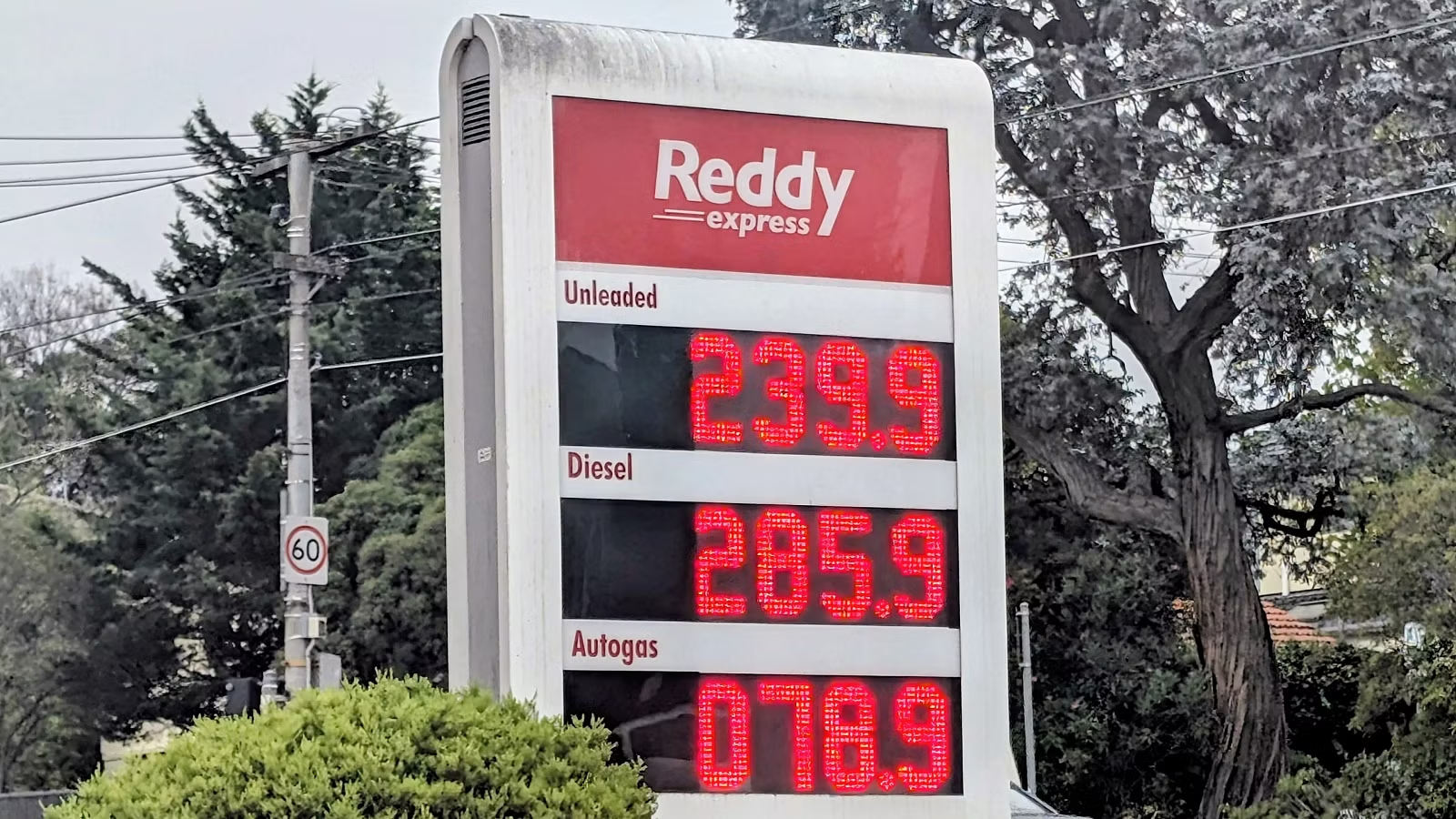
79% agreed that fuel efficiency and running costs are more important than a brand's reputation
These factors recorded the largest year-on-year increase among ownership attributes.
Factor % Who Consider It Important
Fuel efficiency & running costs 79%
Purchase price 71%
Reliability 74% (Gen Z)
The Generational Divide
The shift in consumer appetite is most prevalent among Gen Z drivers. According to the insurer's data:
Factor Gen Z Importance
Fuel efficiency & running costs 84%
Purchase price 78%
Reliability 74%
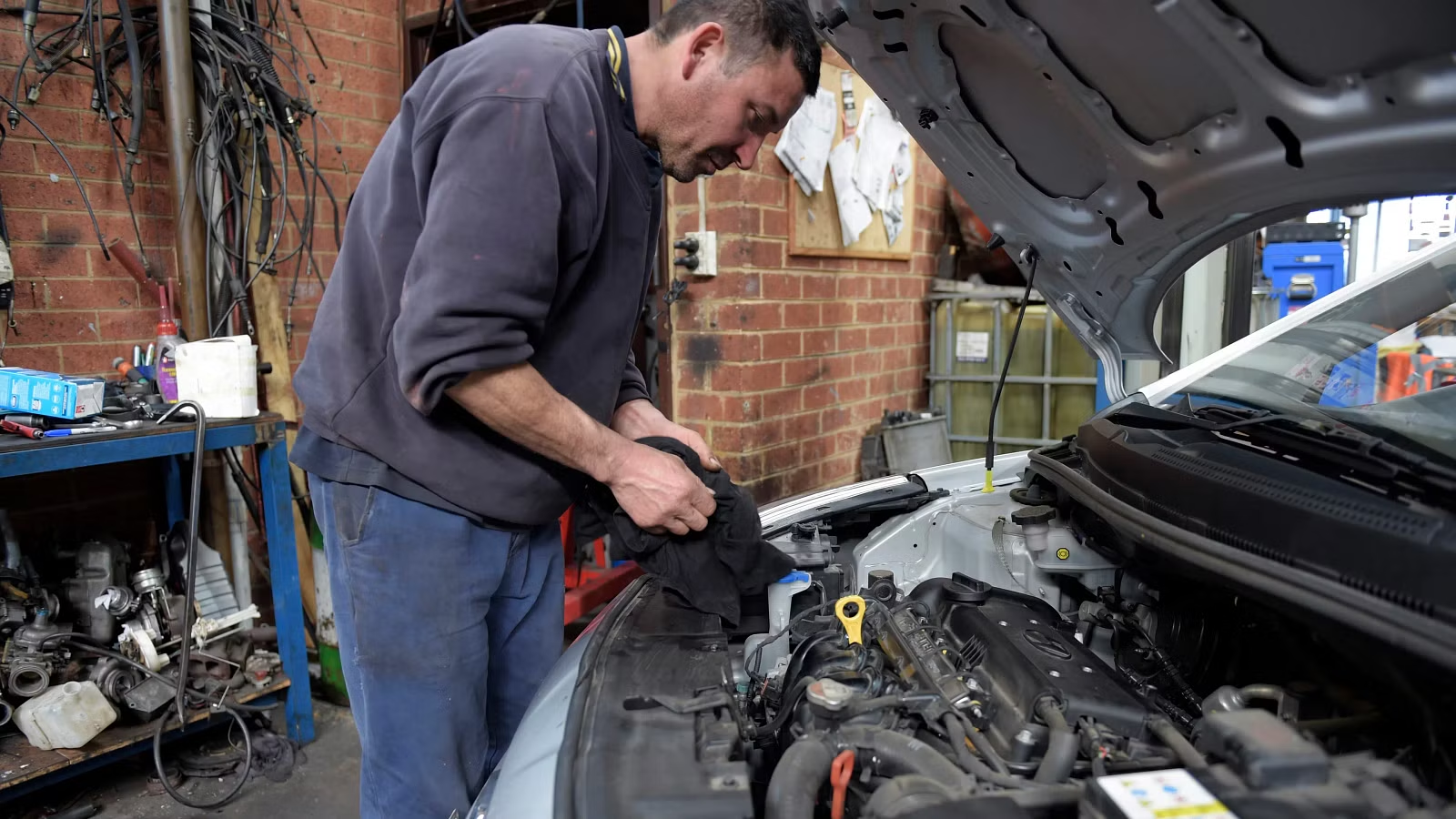
But some young drivers are bucking the trend. For 25-year-old Victorian driver Liam Jensen, brand reputation remains a priority in the second-hand market.
"I think it [reputation] does [matter to me]. You would think Toyotas are pretty reliable, and there are other brands out there that you can pretty easily come across to see how durable they are."
Liam Jensen, Gen Z Driver
While Chinese brands weren't popular among Australian consumers in prior years, Jensen said that where a car is made isn't as important to him as a car maker's proven track record.
"I'm not sure it would be the country of origin, but more just the [brand] reputation I can find on my initial research. In terms of the Chinese cars that are hitting the market at the moment, there are some standouts."
The Cost-of-Living Squeeze
The survey found that the percentage of Gen Zs and Millennials who paid more than $600 a month for running costs was roughly three times the percentage of Baby Boomers with high car costs.
Generation % Paying $600+ per month
Gen Z 24%
Millennials 26%
Baby Boomers 7%
The current economic pressures have also affected young motorists, with 79% of Gen Z respondents confessing to delaying their car's maintenance.
Jensen, who currently lives at home and catches public transport on his daily work commute, said a range of ownership fees has caught him off guard over the past year.
"Mechanical fees, they can creep up on you at times when you might not be expecting them to show up. In the past 12 months, that's certainly something I had to budget for unexpectedly, and it did hit reasonably hard."
Liam Jensen
He also noted that "fuel prices going up has had an impact, and the other one is just insurance costs. That is another area that seems not to be going down."
Across all demographics surveyed, rising car costs have affected a vast majority of Australian motorists:
Generation % Spending More on Ownership Fees
Gen Z 60%
Millennials 55%
Gen X 54%
Baby Boomers 55%
The data is clear: Australian car buyers are increasingly prioritising value, efficiency, and reliability over brand heritage. The cost-of-living crisis has forced consumers, particularly younger generations, to focus on the bottom line rather than badge loyalty. While legacy brands still dominate the sales charts, the rise of value-driven Chinese competitors like BYD suggests that the automotive landscape is shifting. The question is whether established brands can adapt to this new reality or risk being left behind by a generation of buyers who care more about their wallets than their brand history.
About the Creator
Mark Lim
Hi I am mark an automotive student and a car, tech and food enthusiast ! Im gonna try and post daily & hope you enjoy what I write and do share my page with people you know. I would gladly appreciate it! Cheers
Enjoyed the story? Support the Creator.
Subscribe for free to receive all their stories in your feed.
Comments
There are no comments for this story
Be the first to respond and start the conversation.