
Vincent Vosse on WRT’s Spa Triumph, BMW Synergy, and the Critical Need for Hypercar Convergence
Fresh from a strategic masterclass at the Spa 6 Hours, the WRT team principal discusses IMSA-WEC data sharing, the urgency of merging LMDh and LMH regulations, and why endurance racing must protect its current golden era.

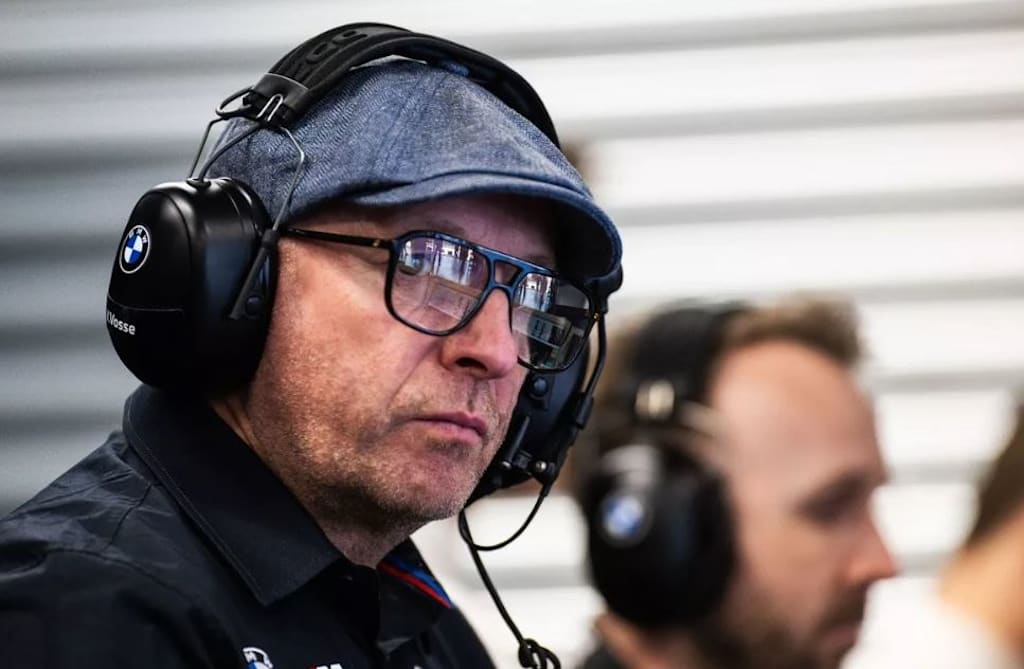
Vincent Vosse is a figure synonymous with endurance racing success, and his candid reflections following WRT’s victory at the Spa 6 Hours reveal both satisfaction and strategic foresight. Leading a team that now operates BMW M Hybrid V8 LMDh cars across both the FIA World Endurance Championship (WEC) and IMSA, Vosse oversees one of the most complex and successful programs in modern sportscar racing. Speaking to Motorsport.com at Monza, he detailed how WRT turned qualifying disappointment into race-winning strategy at Spa, why cross-series synergy with BMW is working, and why achieving true regulatory convergence between LMDh and LMH is essential to preserving the championship’s health.
Spa Victory: Strategy Over Pure Pace
WRT’s win at Spa was not born from qualifying dominance but from tactical brilliance. After a disappointing qualifying session, Vosse’s team knew their race pace was strong. When the sister #20 car encountered issues requiring an extra pit stop, WRT took a calculated risk: they adjusted strategy knowing they wouldn’t have the same number of laps as competitors to finish strongly. “Everything worked perfectly,” Vosse explained. Crucially, the recovering #15 car fought back to second place, effectively protecting the leading #20 by allowing it to save fuel and energy without needing another stop. This inter-car coordination exemplifies WRT’s operational maturity, turning adversity into victory through real-time adaptability rather than relying solely on single-lap speed.
IMSA-WEC Synergy: A Competitive Multiplier
The dual BMW program across WEC and IMSA has created what Vosse describes as an ideal information flow. With shared technical staff including a common technical director and doubled data streams from two teams running identical machinery, development cycles accelerate. “We have more data with two teams, but there are also people working on both, which helps tie everything together,” he noted. Even with the EVO version of the M Hybrid V8 presenting some qualifying trade-offs in pace and driveability, the overall package remains competitive precisely because insights from IMSA street circuits and WEC permanent tracks continuously refine setup windows. This cross-pollination is no longer optional; it’s foundational to staying relevant in an era where margins are measured in tenths.
The Convergence Imperative: One Category, Not Two
Despite WEC’s current strength, Vosse issued a clear warning: the coexistence of LMDh and LMH platforms cannot be sustainable long-term. “In the future, it would be better for everyone if they were merged into a single category,” he stated bluntly. While acknowledging Ferrari’s current LMH dominance and their natural preference for maintaining advantages, he emphasized that convergence serves the championship’s greater good—not individual manufacturer interests. Cost disparities between the two formulas remain a barrier, but Vosse insists it’s the responsibility of the FIA, ACO, and WEC to align them so all stakeholders can accept unified rules. He pointed to GT3’s 20-year longevity as proof that stable, cost-controlled platforms thrive when governed with collective interest over short-term gain.
Protecting the Golden Era
Vosse recognizes that WEC is currently enjoying a peak moment but peaks precede falls. “When you’re that high up, the chances of things going wrong increase,” he cautioned, citing Porsche and Alpine’s withdrawals as sobering reminders. New entrants like McLaren, Ford, and Genesis signal confidence, yet sustainability requires proactive governance. His message is clear: complacency now risks unraveling the very ecosystem that attracted these manufacturers. Regulatory stability, cost parity, and spectacle must be balanced deliberately, not reactively.
Le Mans and Beyond: Chasing History Responsibly
Looking ahead to Le Mans, Vosse prioritizes survival over aggression: “Stay out of trouble and get to the finish with a strong car.” He believes it’s “about time an LMDh secured a victory” at La Sarthe, noting that similar performance levels seen at Spa could translate to the 24 Hours if reliability holds. In LMGT3, ambitions remain equally high; winning culture permeates every WRT entry regardless of class. Yet even here, pragmatism reigns. Test results don’t guarantee race outcomes; preparation does. For Vosse, whether chasing a first Spa 24 Hours win since early successes or aiming for Le Mans glory, the philosophy remains unchanged: execute flawlessly, adapt relentlessly, and never confuse temporary advantage with lasting success.
In an era defined by rapid change, Vincent Vosse embodies the balance endurance racing needs: ambitious enough to chase victories, wise enough to safeguard the sport’s future. His words aren’t just post-race commentary; they’re a blueprint for sustaining relevance in motorsport’s most demanding discipline.
About the Creator
Mark Lim
Hi I am mark an automotive student and a car, tech and food enthusiast ! Im gonna try and post daily & hope you enjoy what I write and do share my page with people you know. I would gladly appreciate it! Cheers
Enjoyed the story? Support the Creator.
Subscribe for free to receive all their stories in your feed.
Comments
There are no comments for this story
Be the first to respond and start the conversation.