
Used Car Inspection Checklist: What to Check Before You Buy
From the VIN to the test drive — everything a smart buyer checks first
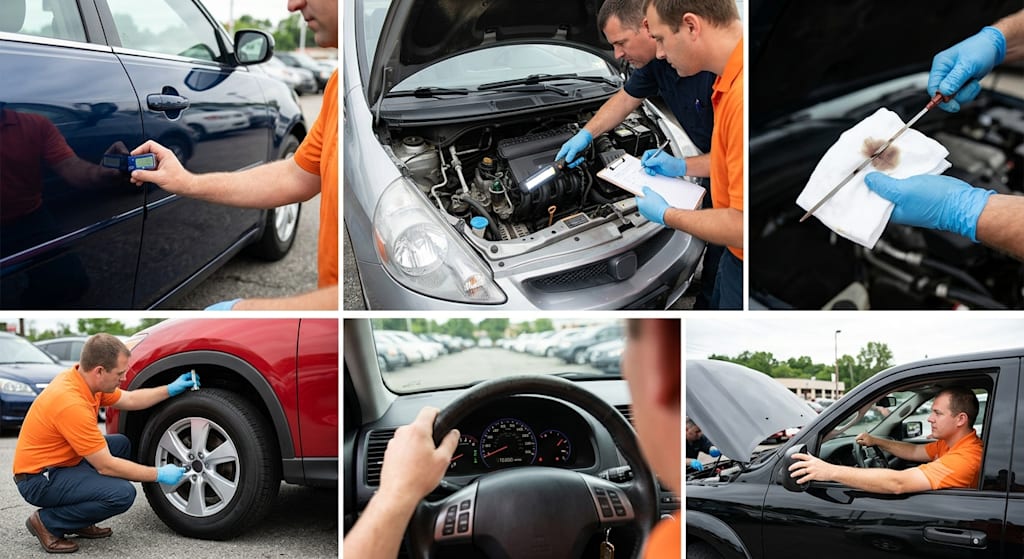
Buying a used car always feels like a bit of a gamble. The seller is smiling, the price seems fair, and the car "runs great" — but you're about to hand over thousands of dollars for a machine whose entire history is invisible to you unless you know where to look. Most expensive used-car mistakes aren't caused by bad luck. They're caused by skipping a handful of checks that take twenty minutes and cost nothing.
Here's the full walkthrough I use myself before recommending anyone buy a used car — from the paperwork you should check before you even see the car, to the test drive that tells you what the odometer won't.
1. Start With the Paper Trail — Before You Touch the Car
Every used car has a story, and that story is written into its VIN (Vehicle Identification Number), not into whatever the seller tells you. Before arranging a viewing, run the VIN through a free VIN decoder to confirm the year, make, model, trim, and factory options actually match the listing. A mismatch — even a small one — is worth asking about.
Then go a step further and pull a vehicle history report. This is the single highest-leverage thing you can do before buying a used car, because it surfaces things no visual inspection ever will: prior accidents, flood or fire damage, odometer rollbacks, salvage or rebuilt titles, and how many owners the car has actually had. A full official report from Carfax's own site can run $40 or more, which is probably why so many buyers skip it entirely and just hope for the best. I built CarfaxDeals.us specifically to remove that excuse — it gives you the same official Carfax report for $5, plus a free VIN decoder and a free recall check bundled in, so there's no real reason to walk into a used-car purchase blind.
Speaking of recalls: open recalls are extremely common and easy to miss, and most of them get fixed for free at any dealer. Before you buy, run a free recall check to confirm there isn't an unresolved safety recall sitting on the car — it's a two-minute check that can save you a real repair bill down the line.
2. Walk the Exterior Slowly
Do this in daylight, never at night or in a wash bay where flaws hide. Walk around the entire car and look for:
Panel gaps — uneven gaps between doors, hood, and trunk usually mean a panel has been replaced after a collision.
Paint match — subtle color differences between panels, or overspray on trim, rubber seals, and inside the door jambs, are classic signs of prior repair work.
Rust — check wheel wells, rocker panels, the bottom of doors, and the exhaust system, especially on cars that spent winters in salted regions.
Tires — check tread depth and wear pattern on all four. Uneven wear can point to alignment or suspension problems, and mismatched tire brands or ages are worth asking about.
Glass and lights — look for cracks, chips, foggy headlight lenses, or cracked taillights.
3. Pop the Hood
You don't need to be a mechanic to catch the obvious warning signs:
Oil — pull the dipstick. Milky or foamy oil can mean coolant is leaking into the engine; thick, dark sludge suggests years of neglected maintenance.
Coolant — check the level and color in the reservoir.
Belts and hoses — look for cracking, fraying, or soft spots.
Battery — check for corrosion around the terminals and note the date sticker if there is one.
Leaks — look underneath the engine for fresh oil, coolant, or transmission fluid stains.
4. Get Inside and Test Everything
Sit in every seat, not just the driver's. A few things to check:
Wear vs. mileage — heavily worn seat bolsters, a shiny steering wheel, or worn-through pedal rubber on a car with supposedly low mileage is a red flag worth cross-referencing against the vehicle history report and odometer readings on file.
Every electronic feature — windows, locks, mirrors, AC and heat on both hot and cold settings, infotainment screen, backup camera.
Dashboard warning lights — start the car and watch which lights come on, and whether they turn off after a few seconds.
Smell — a musty smell can mean past water damage; a strong exhaust smell inside the cabin can point to a leak.
5. Check Underneath the Car
If the seller allows it (they should), get a look at the underside, either on a lift or with a flashlight and a low angle:
Frame and subframe rust, particularly on vehicles from colder climates
Exhaust system condition along its full length
Suspicious fresh undercoating, which can sometimes be used to mask rust or frame damage rather than protect against it
Leaking shocks or struts
6. Take a Real Test Drive
A five-minute loop around the block isn't enough. Try to get at least 15–20 minutes covering different conditions:
Start the engine cold if at all possible — rough or hesitant cold starts often reveal issues a warmed-up engine hides.
Brake firmly at low speed to check for pulling, grinding, or a soft pedal.
Pay attention to steering — any wandering, vibration, or looseness at speed.
Notice how the transmission shifts — hesitation, clunking, or slipping between gears are all worth flagging.
Drive over some rough pavement and take a few turns, listening for knocks, squeaks, or clunks.
7. Confirm the Paperwork Before You Sign Anything
The mechanical inspection means nothing if the paperwork doesn't hold up:
Title status — make sure it's clean, not salvage, rebuilt, or flood-titled, unless you're knowingly buying at a discount for that reason.
Lien check — confirm there's no outstanding loan attached to the vehicle.
VIN match — the VIN on the title, dashboard, door jamb sticker, and engine bay should all match exactly.
Odometer disclosure — make sure the mileage on the title matches what you saw in the car and what the vehicle history report shows.
Bringing It All Together
A careful walk-around, a look under the hood, and a proper test drive will catch most of the obvious problems. But some of the most expensive mistakes — a flood-damaged car with fresh paint, a rolled-back odometer, or a rebuilt-title vehicle sold as clean — are invisible to the eye and only show up in the vehicle's documented history. That's why the checklist above starts and ends with the paper trail: run the VIN, pull the history report, check for open recalls, and only then start negotiating on price.
If you want to do that last part without paying full price for the report, that's exactly what carfaxdeals is there for — a $5 official Carfax report, plus a free VIN decode and free recall check, so the one check most buyers skip becomes the easiest one to do.
About the Creator
THÉO GOMEZ
Founder of CarfaxDeals.us | Helping drivers get affordable CARFAX reports without overpaying. Making vehicle history reports more accessible, simple, and budget-friendly.
Enjoyed the story? Support the Creator.
Subscribe for free to receive all their stories in your feed.
Comments
There are no comments for this story
Be the first to respond and start the conversation.