
The Lexus LFA: The Car That Proved Toyota Could Build A Supercar And Then Never Built Another One
Only 500 units. A decade of development. A V10 hand-tuned with Yamaha. And prices that have tripled since production ended. This is why car collectors are still hunting for them.


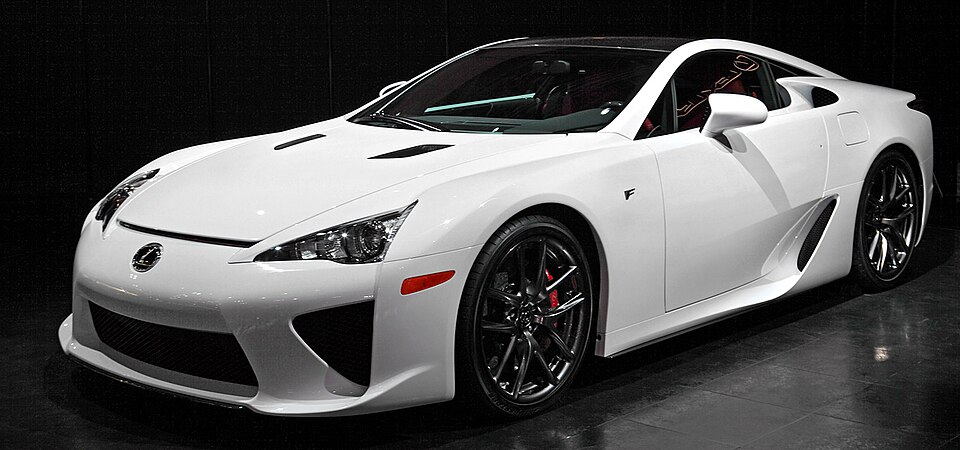
Toyota built a supercar. Not a concept. Not a design study. A real, production supercar with a 560-horsepower V10 that cost over $370,000 when it launched in 2010.
Then they built exactly 500 of them. Over two years. By hand. With more care than most companies put into their entire lineup.
Then they stopped. And never made another one.
The Lexus LFA is one of the strangest decisions in automotive history. A car that was technically brilliant, critically acclaimed, and commercially limited from the day it existed. A halo car that didn't exist to make money, it existed to prove a point.
That point was: Lexus can build the best supercar in the world.
And then, having proven it, they walked away.
A Decade Just To Build Something That Takes 3.6 Seconds
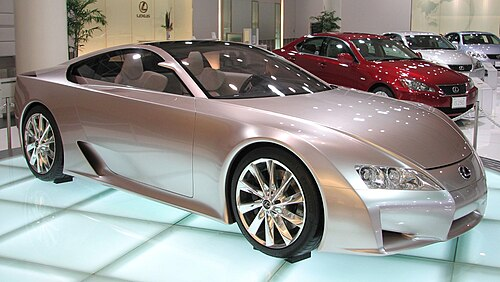
Development began in 2000. The prototype was ready by June 2003. Regular testing at the Nürburgring started in October 2004. Concept cars were unveiled at motor shows in 2005, 2007, and 2008.
Eight years of work before a single production car rolled off the line.
What were they doing for eight years? Building something that couldn't fail.
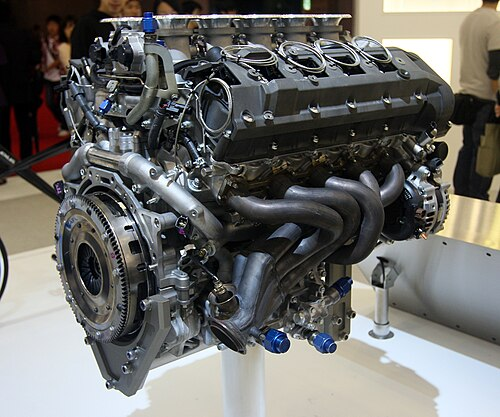
The LFA's heart is a 4.8-liter V10 developed in collaboration with Yamaha, the motorcycle company that knows engines better than almost anyone. The result: 560 PS (553 horsepower), 480 newton-meters (350 lb-ft) of torque, and a 0-60 time of 3.6 seconds.
In 2010, that was genuinely fast. It was competitive with Ferraris and Lamborghinis that cost significantly less to develop because those companies had decades of supercar experience.
Toyota had none. They were building a supercar from scratch with zero institutional knowledge.
So they took a decade.
65% Carbon Fiber When Everyone Else Was Still Using Aluminum
The LFA weighs just 1,580 kg (3,483 lbs). That's lighter than most performance cars despite housing a naturally aspirated V10.
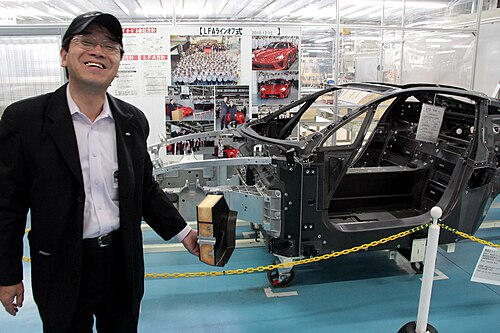
How? Sixty-five percent of the LFA's body is carbon fiber-reinforced polymer. The rest is aluminum, titanium, and magnesium.
In 2010, carbon fiber was still exotic. Expensive. Finicky. Most manufacturers were just starting to experiment with it. Toyota didn't experiment. They committed.
Every LFA was hand-finished. Technicians would sand the carbon fiber panels, check for imperfections, and redo them if necessary. The quality control was obsessive.
The goal wasn't just to build a lightweight supercar. The goal was to build one that would still be special 15 years later. One that you couldn't replicate with modern manufacturing shortcuts.
The Moment It Mattered (And Nobody Noticed)
The LFA debuted at the Tokyo Motor Show in October 2009, exactly 20 years after Lexus itself was born.
That timing wasn't accidental. This was a gift for the brand's anniversary. A statement of identity. "This is what Lexus is capable of building."
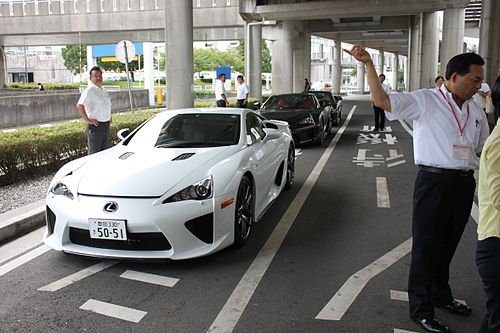
Production started December 15, 2010, at the Motomachi plant in Toyota, Aichi. The same place where they build Corollas. Except here, in a specific section, Toyota was hand-crafting supercars.
Over two years, 500 cars were built. That's 250 per year. About five per week.
Each one took around 20 hours of labor, most of it done by human hands, doing things that modern robots could do faster but couldn't do as well.
Production ended on December 17, 2012, two years and two days after it started.
That's it. Nobody knew it was the last LFA until it was too late. And then Lexus never built another supercar.
Why This Car Matters More Than You'd Think
The LFA proved something radical: Japanese manufacturers could compete with European legacy supercars.
Before the LFA, supercar building was European territory. Ferrari, Lamborghini, Porsche. American muscle was a thing, but European exotica was the gold standard.
Toyota said, "We're going to build a supercar so good that Top Gear calls it one of the five greatest supercars of all time."
And they did it.
Road & Track named it Best of the 2009 Tokyo Auto Show. Top Gear put it on their list of greatest supercars. Enthusiasts drove it at the Nürburgring and reported lap times competitive with million-dollar cars.
It was the moment when the conversation shifted. Japanese engineering could compete. Not just on reliability or efficiency, but also on raw performance and craftsmanship.
The Prices That Tell The Story
When the LFA launched, it cost around $375,000. It was expensive, but reasonable for a supercar.
Then production ended. 500 cars. All built. None coming again.
Suddenly, the used market got interesting.
Today, an LFA in good condition sells for $800,000 to $1.2 million. Some have sold for over $1.5 million.
That's not inflation. That's scarcity. That's the market recognizing that this car will never be built again and pricing accordingly.
A Porsche 911 from that era? They're cheaper now than they were new (adjusted for inflation). Countless were produced. They're not rare.
An LFA? They get more valuable every year. 500 exists. That's it. That's all there will ever be.
Why They Stopped (And This Is The Saddest Part)
Toyota never officially said why the LFA ended. But the answer's obvious: it wasn't profitable.
At $375,000 per car, with 20 hours of hand labor per unit, and a decade of R&D to amortize, the LFA probably didn't make money for Toyota on a per-unit basis.
It made money in brand prestige. In media coverage. In proving capability. But actual profit? Unlikely.
Most companies would have kept going anyway. Build them for 5-10 years, recoup the investment, and get some margins.
Toyota just... stopped.
Because they'd proven what they needed to prove. The LFA existed to establish Lexus as capable of building the best supercar in the world. Once that was established, once the awards came in, once enthusiasts recognized it as genuinely special, the mission was accomplished.
Making more LFAs wouldn't have strengthened the brand. It would have diluted it.
So they ended it. On schedule. Two years and two days. 500 cars. Done.
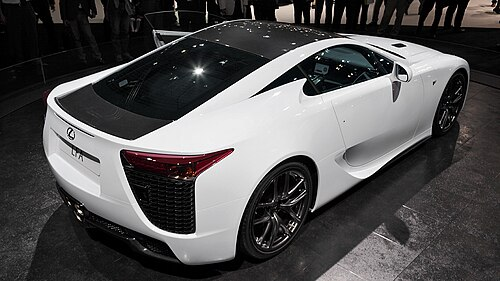
What It Represents Now (In 2026)
The LFA is now 14-16 years old. Collectors hunt for them. Values keep climbing. People debate whether it was the last true naturally aspirated supercar before turbocharging took over.
It represents something automotive that's increasingly rare: a car built for engineering excellence first and profit second. A manufacturer willing to spend a decade developing something and then produce only 500 units.
It's the opposite of the AI-music problem or the cheap Alibaba serums. It's the opposite of optimization for engagement and monetization. It's craftsmanship when the entire industry was moving toward volume and efficiency.
Modern Lexus makes luxury cars that are very good. But they don't make the LFA.
Lamborghini churns out Huracáns and Revueltos. Porsche makes 911s by the thousands. Ferrari produces Ferraris.
Only Lexus made one thing once. Perfectly. And then stopped.
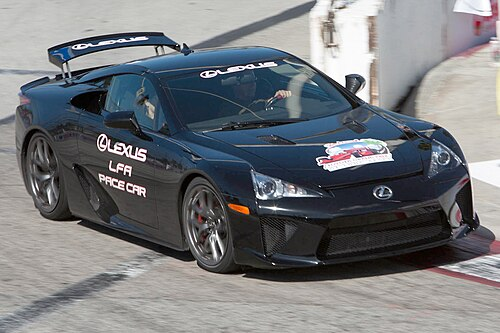
The Lexus LFA is a 500-unit supercar built between 2010 and 2012 with a Yamaha-developed V10, carbon fiber bodywork, and prices that have tripled since production ended.
It represents a moment when Toyota proved it could build something as special as European supercars. Then it disappeared.
500 cars. 14 years later. Values climbing. Collectors hunting. No replacement.
It's the rarest decision in modern automotive: build something perfect, and then never build it again.
That's why the LFA matters. Not because it's fast or beautiful (though it's both). Because it's a reminder that perfection isn't about volume. It's about knowing when to stop.
About the Creator
Mark Lim
Hi I am mark an automotive student and a car, tech and food enthusiast ! Im gonna try and post daily & hope you enjoy what I write and do share my page with people you know. I would gladly appreciate it! Cheers
Enjoyed the story? Support the Creator.
Subscribe for free to receive all their stories in your feed.
Comments
There are no comments for this story
Be the first to respond and start the conversation.