
Porsche Is Killing the Taycan Wagon Variants And American Buyers Have Only Themselves to Blame
The Cross Turismo and Sport Turismo disappear after 2026, leaving just the sedan to carry the Taycan forward into 2027


Wagons have always had a difficult relationship with the American car market. They're practical, often beautifully proportioned, and beloved by a passionate but stubbornly small segment of enthusiasts who understand exactly what they're getting and don't care that everyone else wants an SUV instead. Porsche's Taycan wagons were no exception to this pattern, and now they're paying the price for it.
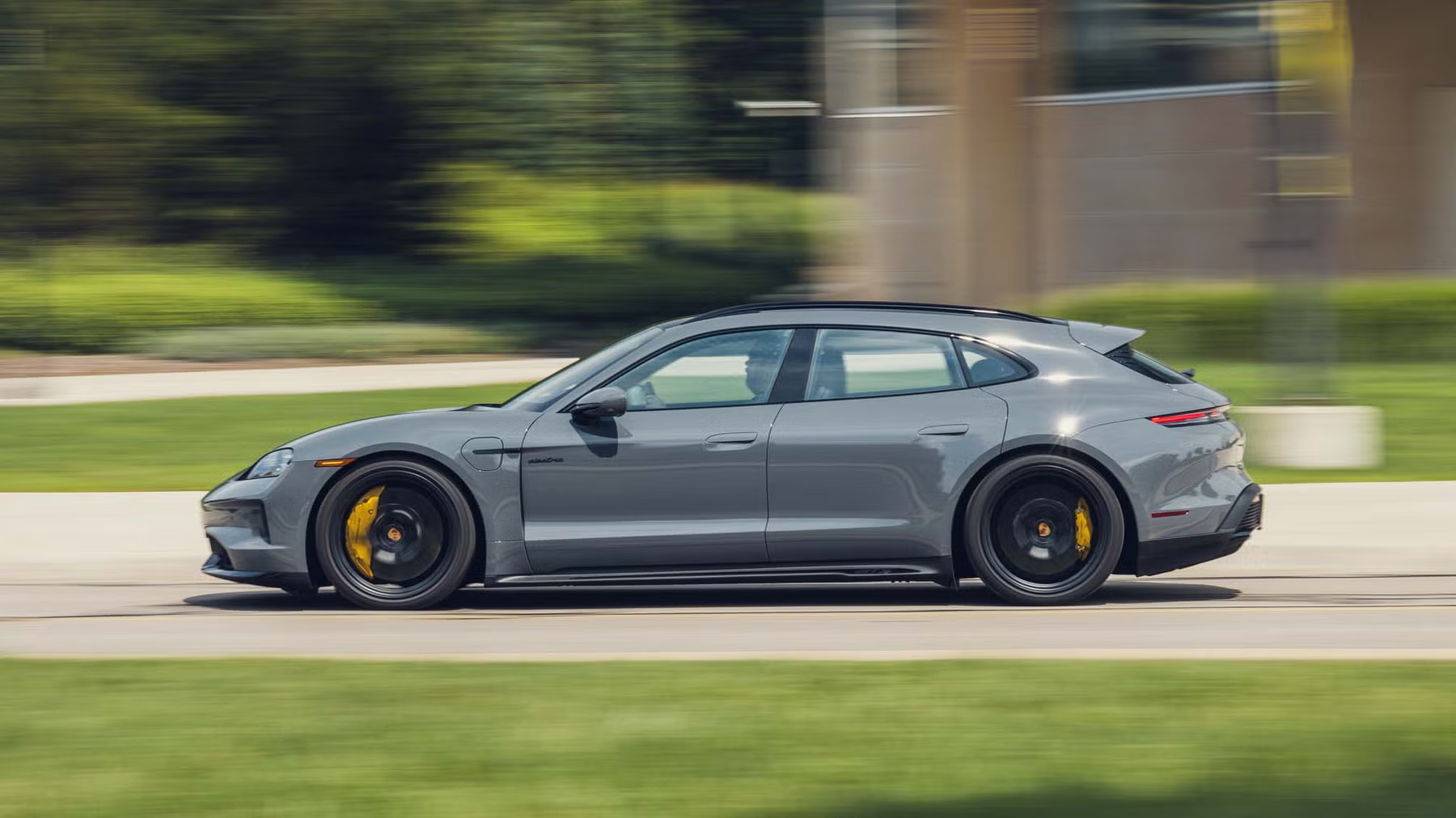
Porsche has confirmed it's discontinuing both the Taycan Cross Turismo and Sport Turismo after the 2026 model year, leaving only the standard Taycan sedan to carry the nameplate forward into 2027.
Why It's Happening
The reasoning Porsche provided is refreshingly direct, and it comes down to a simple market reality. A Porsche spokesperson told Car and Driver: "Porsche focuses its product portfolio on the wishes of its customers, and in the United States, the Sport Turismo and Cross Turismo body styles of the Taycan played a minor role. It is for this reason that we have decided to discontinue these model variants."
That's corporate language for a straightforward truth: Americans didn't buy enough of them to justify keeping them around. This isn't a story about quality or desirability among the people who actually wanted these cars. It's a story about volume, and volume in the wagon segment has never been Porsche's strong suit in this market.
What's Being Lost
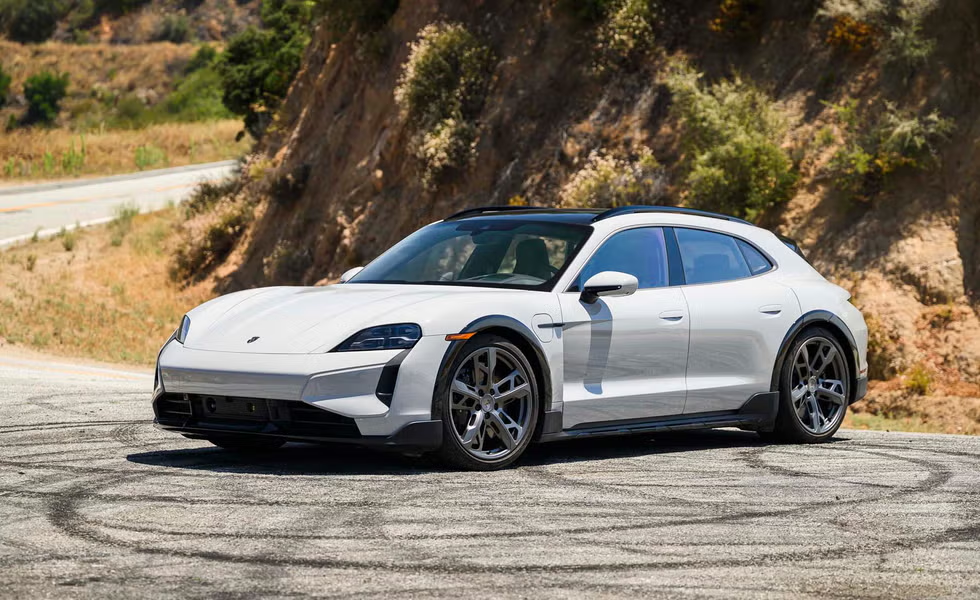
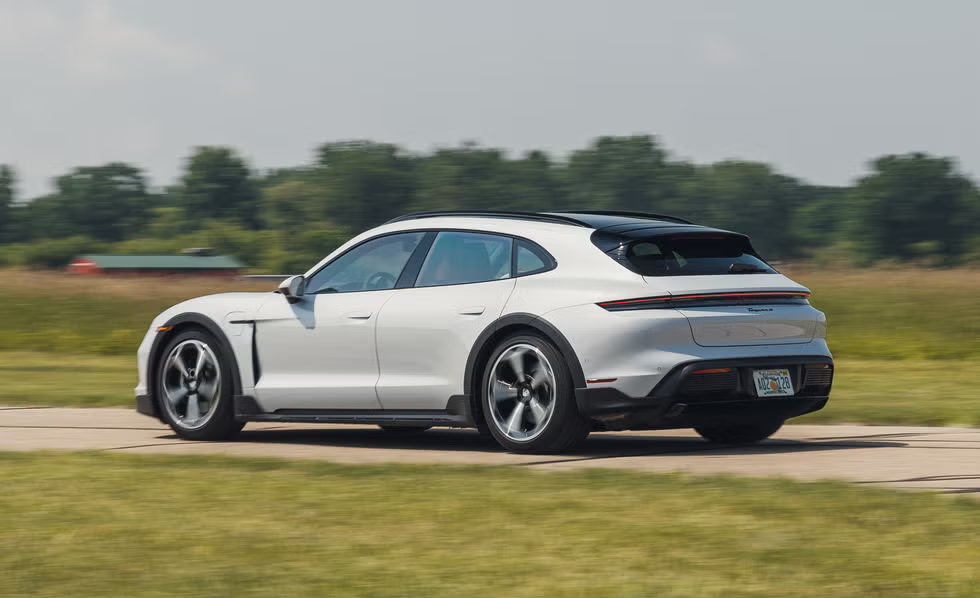
The Taycan Cross Turismo arrived in 2021, a year after the standard sedan, distinguished by a lifted ride height and black plastic wheel arch cladding that gave it a more rugged, crossover-adjacent appearance without sacrificing the underlying Taycan's driving character. It was offered across a genuinely wide trim spread, from the 409-hp Taycan 4 all the way up to the 764-hp Turbo S, meaning there was a Cross Turismo for almost every buyer on the performance spectrum.
The Sport Turismo joined a year later, in 2022, with a narrower focus, available in the U.S. exclusively as the GTS trim, initially producing 590 horsepower before being boosted to 690. It leaned more toward sporting intent and less toward the Cross Turismo's off-road-adjacent styling, giving Porsche two distinct interpretations of the wagon body style within the same model family.
Both were, by most enthusiast accounts, genuinely excellent cars combining wagon practicality with Porsche's EV performance credentials in a package that few other manufacturers have ever attempted, let alone executed well.
The Sales Numbers Tell the Real Story
Porsche doesn't break out sales figures by individual body style, but the broader Taycan sales trajectory makes the decision easier to understand even without that granular data.
2021 was the Taycan's best sales year in the U.S., with 9,419 units sold. That figure declined to 4,747 in 2024, and fell further still to 4,142 in 2025. Against that backdrop of an overall declining sales trend for the nameplate, it's reasonable to assume the wagon variants, already a niche within a niche in the American market, represented a genuinely small slice of an already shrinking pie. Keeping two additional body styles in production for a market that wasn't buying them in meaningful volume becomes difficult to justify from a business perspective, however much enthusiasts might wish otherwise.
What Replaces Them: A Sedan That Got Better
While the wagon variants are being cut, Porsche isn't leaving the Taycan sedan standing still. The 2027 model year brings genuine improvements that partially soften the blow for anyone disappointed by the wagon news.
The previous base battery option has been eliminated. Every 2027 Taycan now comes standard with the larger 97-kWh battery pack, removing a previous point of differentiation and giving every buyer access to better range and performance regardless of trim level.
Porsche has also introduced a simulated shifting mode for the sedan, with software designed to mimic the behavior of an eight-speed gearbox, complete with a virtual rev limiter and operation through the paddle shifters, bringing the same kind of engagement-focused E-Shift technology recently detailed for the broader Taycan lineup. Deliveries of the updated 2027 Taycan sedan begin this fall.
This is a familiar pattern in the American car market: a genuinely interesting, well-engineered vehicle variant arrives, enthusiasts celebrate it, automotive journalists praise it, and then sales figures quietly tell a different story that eventually catches up with the product roadmap. Wagons in America have lived this exact story repeatedly, from the Cadillac CTS-V Wagon to various BMW and Audi Avant and Allroad variants that came and went based on similar volume realities.
The Taycan Cross Turismo and Sport Turismo aren't disappearing because they were bad cars. They're disappearing because not enough Americans chose to buy them over an SUV, a sedan, or something with a badge that doesn't require explaining the body style to confused onlookers at the grocery store.
For the people who did buy one, they're getting a genuinely distinctive piece of automotive history, a Porsche-built electric wagon, in two flavors, that the broader market simply wasn't ready to support in sufficient numbers to keep alive.
About the Creator
Mark Lim
Hi I am mark an automotive student and a car, tech and food enthusiast ! Im gonna try and post daily & hope you enjoy what I write and do share my page with people you know. I would gladly appreciate it! Cheers
Enjoyed the story? Support the Creator.
Subscribe for free to receive all their stories in your feed.
Comments
There are no comments for this story
Be the first to respond and start the conversation.