
Malaysia Has a Quiet Factory That's Assembling Porsches and BMWs And Most People Have No Idea It Exists
Inokom's Kulim plant is doing something that actually matters: proving Malaysian manufacturing can handle the precision and complexity that global luxury car brands demand


There's a factory in Kedah that assembles Porsches. Not Proton Perdanas with Porsche stickers. Actual Porsches. German Porsches. Ones that get shipped to Thailand and the Philippines and count toward Porsche's global production numbers.
Most Malaysians have never heard of Inokom. That's not a failure of marketing. It's actually how contract manufacturing works. You're not supposed to be famous. You're supposed to be reliable, precise, and capable of assembling seven different car brands to their exact specifications without screwing it up.
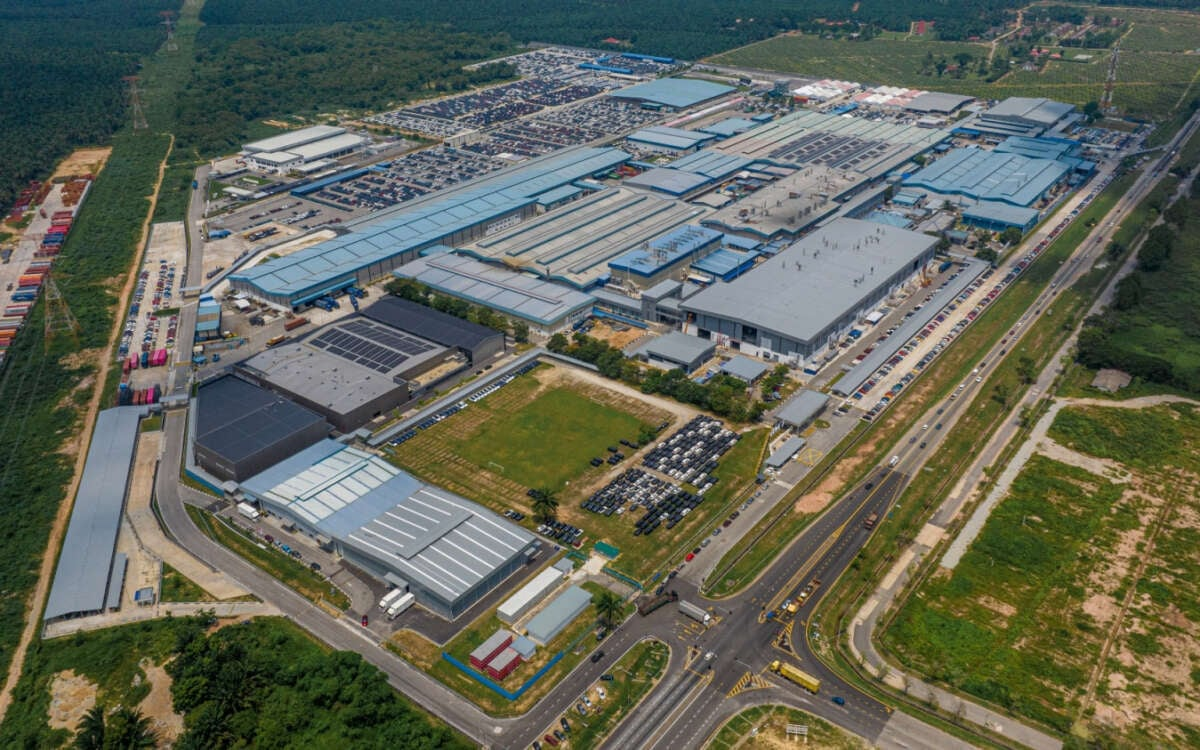
Inokom's been doing that for nearly three decades in a 200-acre facility in Kulim, Kedah. And now they're building a new paint shop because they've run out of capacity. That's the unsexy story of how manufacturing actually works.
Seven Brands, One Facility, Zero Compromise
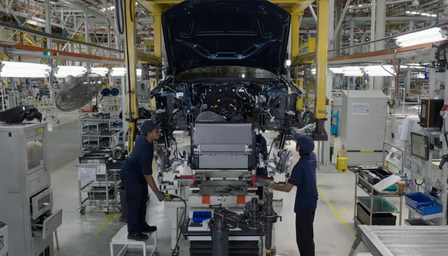
Right now, Inokom is assembling cars for BMW, MINI, Porsche, Mazda, Hyundai, Chery, and Kia (though Kia's moving out soon). That's not a typo. One factory, seven different global automotive brands, each with its own dedicated assembly line, its own quality requirements, its own engineering specifications.
That's harder than it sounds. You can't just have one assembly line and swap out parts. These are different architectures, different dimensions, different processes. BMW needs something completely different from what Porsche needs, which is nothing like what Chery needs. So Inokom runs what they call a "plant-within-a-plant" concept, basically, seven separate mini-factories operating under one roof, sharing centralized resources but maintaining complete independence in production.
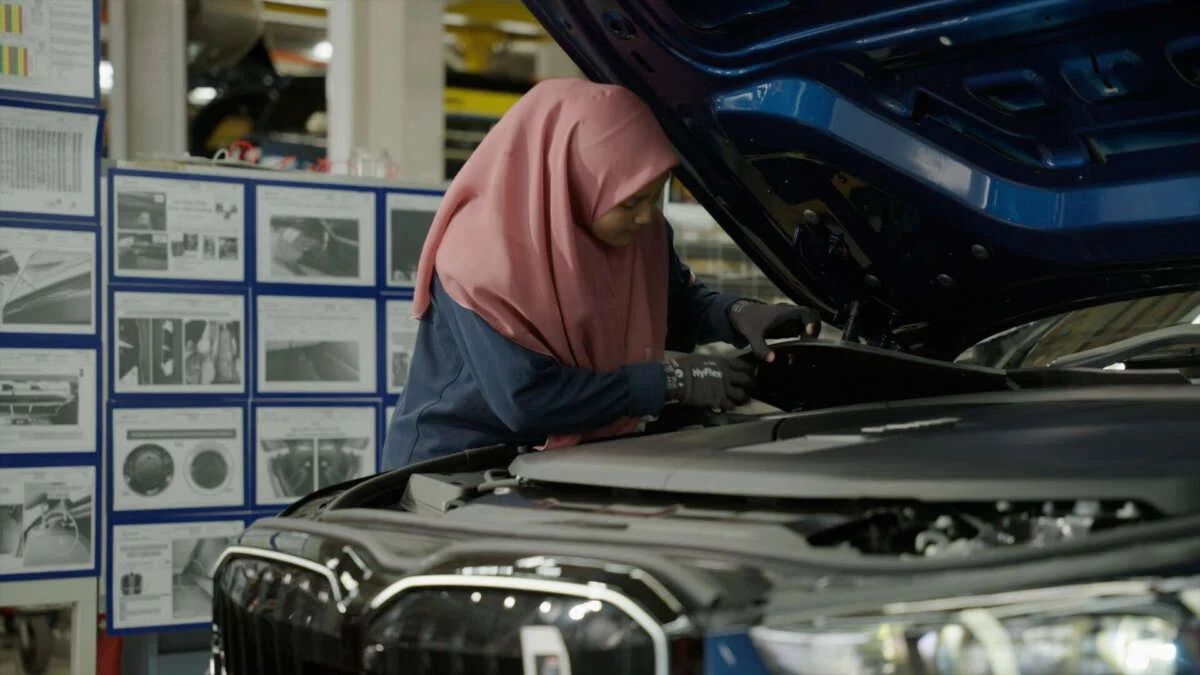
And they're somehow pulling it off with a 100% Malaysian workforce. Over 2,700 people. No foreign expertise required. Just Malaysians who know how to build cars to German engineering standards, Chinese brand specifications, and Japanese precision requirements.
The Numbers Actually Matter
In 2021, Inokom made 20,500 vehicles. Last year, they made 31,800. That's a 55% increase in four years, which is the kind of growth number that usually gets buried in corporate press releases but actually signals something real: the factory is trusted enough that global brands keep expanding their orders, and trusted enough that they're willing to let it handle more expensive, more complex vehicles.
They've exported over 24,500 units in that same period. These aren't cars assembled in Malaysia for the Malaysian market. These are cars made in Malaysia for Thailand, for the Philippines, for regional markets. That's the thing that validates a factory when global brands think, "Where should we build this car for export?" and Malaysia becomes a serious answer.
The Quietly Impressive Stuff
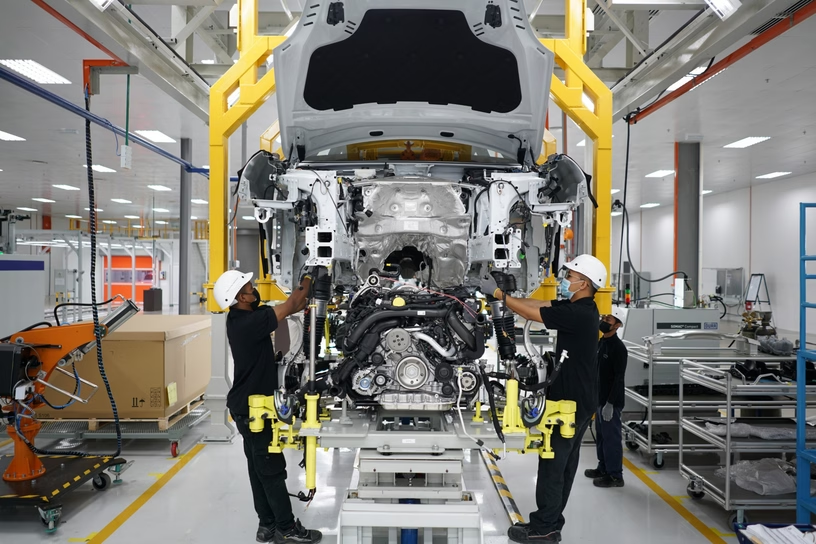
BMW's third-largest engine assembly plant in the world is in Kulim. Not the third largest in Asia. In the world. That facility opened in 2018. Since then, over 11,800 BMWs and MINIs assembled there have gone to the Philippines and Thailand.
Porsche picked Inokom as its first assembly facility outside Europe. In 2021. That's the kind of vote of confidence that doesn't happen unless you've proven you can handle uncompromising precision. Porsche doesn't trust its manufacturing to places that are "pretty good." They trust it to genuinely excellent places.
The i5 BMW's fully electric sedan became the first all-EV BMW assembled in the Asia Pacific region at Inokom in 2026. Not in China. Not in India. In Kulim, Kedah, Malaysia.
And Chery's Omoda E5, assembled at Inokom starting in 2024, was the facility's first-ever EV production. Which means a Malaysian factory figured out how to assemble electric vehicles with the precision EVs demand, for a Chinese automaker, and did it well enough that they're still getting orders.
What Nobody Talks About: The Vendor Network
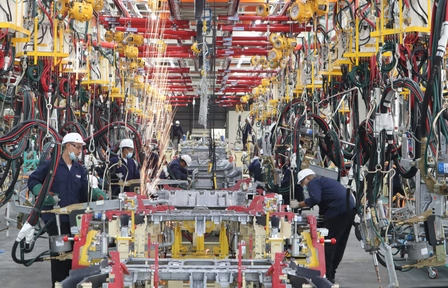
This is the part that matters for Malaysia as an economy, but it's boring, so nobody mentions it. Inokom works with 370 local vendors. That's not charity. That's supply chain. Those 370 companies are making parts, components, and subassemblies that go into Porsches, BMWs, and Chery vehicles. They're integrated into global automotive supply chains because a Malaysian factory proved it could manage quality and reliability at that scale.
That's how you build manufacturing capability. Not through government press releases. Through companies proving they can do difficult things reliably, then scaling up and pulling in the entire ecosystem with them.
The History Is Actually Kind Of Long
Inokom started with Hyundai back in 1993, before the plant even existed. By 1997, it was actually assembling vehicles. The Inokom Lorimas (a rebadged Hyundai Porter) came in 2000. The Atos in 2002. Mazda 3 in 2011, which became kind of a cornerstone for the facility because it was the first major Japanese premium brand to trust the place with mass production.
BMW arrived in 2009. Porsche in 2021. Chery in 2023. The timeline matters because it shows this wasn't built overnight. It was built through decades of doing the work consistently, building a reputation, and earning trust.
The Boring Stuff That's Actually Important
They're building a new paint facility because they're running out of capacity. That's it. That's the news. Not sexy. Doesn't have the appeal of "we're launching a revolutionary new model." But it means the factory has proven valuable enough that brands keep expanding their orders, and the facility keeps finding new constraints to solve.
It also means Malaysian manufacturing is reaching a scale where those constraints matter. You don't build new paint shops at contract assemblers unless you're confident about demand for the next five years.
What This Actually Says About Malaysian Manufacturing
The unsexy truth is: Malaysia has become the place where global automotive companies build cars when they need reliability, precision, and cost efficiency. Not flashy technology. Not revolutionary design. Just competent, reliable manufacturing that global brands trust.
That's not a story that gets headlines. It doesn't fit the "Malaysia is turning into a manufacturing powerhouse" narrative that gets traction in business media. It's just: there's a factory, it's been there for 30 years, it's gotten better at its job, more brands trust it with more models, and it's contributing to the Malaysian economy in ways that don't require fanfare.
The Sime Motors CEO called it "a testament to what Malaysian industry is capable of achieving." Which is true, but also: it's not achieving anything new right now. It's just competently executing what it's been executing for nearly three decades, at a slightly larger scale, with slightly more complex vehicles.
That's actually the most impressive thing about it.
If you drive a Mazda 3, it might have been made in Kulim. If you see a BMW 3-series on Malaysian roads, there's a reasonable chance it was assembled there. The Porsche your uncle is never going to afford? Probably made there too. Chery Omoda E5? Definitely made it there.
These cars share a factory with a 100% Malaysian workforce, 370 local vendors supporting the supply chain, and a facility that's trusted by global automotive brands to maintain engineering precision at scale.
That's not flashy. It's not a headline story. But it's actually how manufacturing works, and Malaysia's doing it well enough that the rest of the world keeps expanding their orders.
About the Creator
Mark Lim
Hi I am mark an automotive student and a car, tech and food enthusiast ! Im gonna try and post daily & hope you enjoy what I write and do share my page with people you know. I would gladly appreciate it! Cheers
Enjoyed the story? Support the Creator.
Subscribe for free to receive all their stories in your feed.
Comments
There are no comments for this story
Be the first to respond and start the conversation.