
If You Drive a Fully Imported Car in Malaysia, There's a Sticker You Need to Know About
It doesn't sound like the most exciting topic in the world.

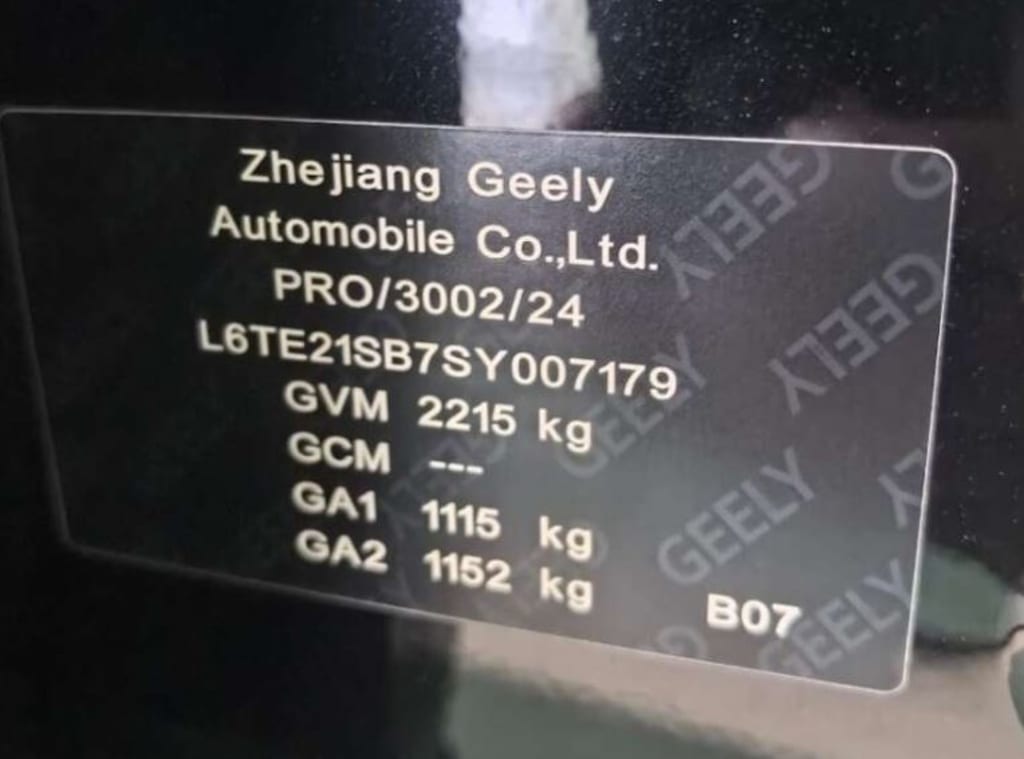
It doesn't sound like the most exciting topic in the world. But if you own a CBU vehicle or you're in the process of buying one, this is the kind of administrative detail that can cause you a serious headache if you're caught without it.
What Happened
Puspakom, Malaysia's national vehicle inspection body, issued a public reminder this week after a fully imported car was turned away from one of its branches for failing inspection. The reason wasn't mechanical. The car was rejected because it was missing its mandatory Vehicle Type Approval label, a sticker that has been a legal requirement since 2014 and is enforced by JPJ.
One missing sticker. Rejected inspection. It's the kind of thing that catches people off guard because it sits at the intersection of vehicle regulation and paperwork rather than anything you'd notice during a test drive.
What the VTA Label Actually Is
Vehicle Type Approval is part of Malaysia's compliance framework under United Nations vehicle regulations, which were progressively adopted from 2014 onward, with additional inspection procedures for imported vehicles introduced in 2017. The label itself needs to display a specific set of information: the manufacturer's name, the VTA certificate serial number, the VIN and chassis numbers, the gross vehicle weight, front and rear axle load ratings, and gross combination weight if the vehicle is capable of towing.
All of this must appear on a plate or sticker in a visible, legible location somewhere on the vehicle. It doesn't have to be in a specific spot, but it has to be findable and readable.
Why It Matters Beyond Just Passing Inspection
The VTA label does more than just satisfy a bureaucratic checkbox. It serves as the primary way authorities can quickly verify that a CBU vehicle is legitimate, that it has been properly imported, properly approved, and that the correct taxes and approved permit requirements have been met.
It also plays a role in distinguishing genuine fully imported vehicles from CKD locally assembled units, and perhaps more importantly, helps prevent "half-cut" vehicles from slipping into the market undetected. Half-cuts, where the front half of a written-off car is welded to the rear section of another, represent a genuine safety risk on public roads, and the VTA labelling requirement is one of the mechanisms designed to catch them before they get near a Puspakom inspection bay.
Puspakom CEO Mahmood Razak Bahman framed it simply: "Consumers deserve clarity on what they are purchasing, and proper labelling plays a key role in safeguarding them from potential risks associated with non-compliant or unauthorised vehicles."
Who Needs to Pay Attention
The reminder is directed at the whole chain of importers, distributors, and dealers, all of whom have a responsibility to ensure the label is present before a vehicle changes hands. But the practical reality is that once you drive the car off the forecourt, you're the one who turns up to Puspakom, and you're the one who gets turned away if something is missing.
If you've recently purchased a CBU vehicle, it's worth taking five minutes to locate the VTA sticker and confirm it has all the required information. Check around the door jambs, the engine bay, the B-pillar, or wherever your particular model's manufacturer chose to place it. If you can't find it, your dealer should be your first call.
The label has been mandatory for over a decade. Its absence isn't a technicality that gets waved through, as the recent rejection case demonstrated; Puspakom takes it seriously. And given everything the label is designed to protect against, that's probably how it should be.
About the Creator
Mark Lim
Hi I am mark an automotive student and a car, tech and food enthusiast ! Im gonna try and post daily & hope you enjoy what I write and do share my page with people you know. I would gladly appreciate it! Cheers
Enjoyed the story? Support the Creator.
Subscribe for free to receive all their stories in your feed.
Comments
There are no comments for this story
Be the first to respond and start the conversation.