
Ferrari: The Prancing Horse’s Legacy of Speed, Passion, and Perfection
From the legendary 250 GTO and F40 to modern icons like the SF90 Stradale, 812 Superfast, Enzo, and LaFerrari explore how an Italian marque defined the supercar and dominated Formula 1.


Ferrari. A name that embodies speed, luxury, and a relentless pursuit of perfection. It is more than just an automaker; it is a symbol of national pride, engineering artistry, and raw emotion. From the hallowed tarmac of Monza to the winding roads of the Amalfi Coast, Ferrari has cemented itself as one of the most revered automotive brands in history. But how did this Italian marque rise to such legendary status? Let’s take a deep dive into the origins, motorsport legacy, and cultural impact of the Prancing Horse.
The Birth of a Legend
The Ferrari story begins not with a car, but with a man: Enzo Ferrari. In 1939, after leaving Alfa Romeo due to contractual restrictions, Enzo founded Auto Avio Costruzioni in Modena. However, it wasn’t until 1947, after World War II, that the first official Ferrari-branded car, the 125 S, rolled out of the newly established Maranello factory.
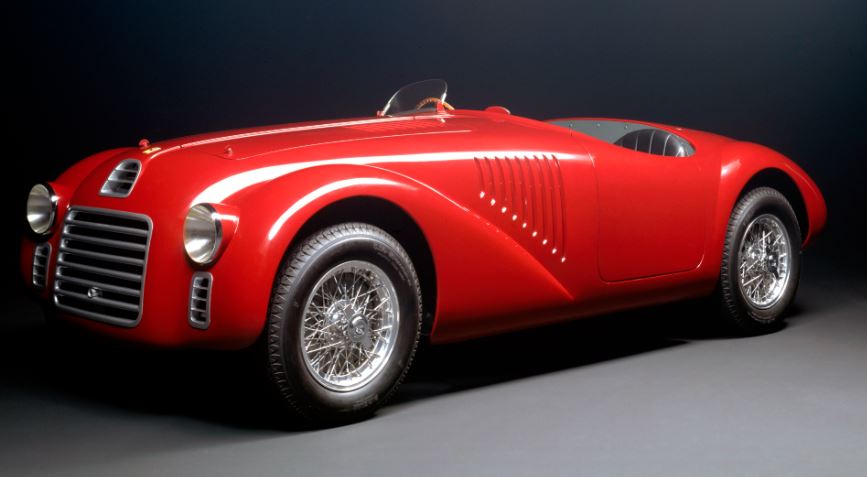
Powered by a 1.5-liter V12 engine designed by the legendary engineer Gioachino Colombo, the 125 S set the tone for what Ferrari would become a brand synonymous with powerful, high-revving, naturally aspirated engines. Although the 125 S didn’t win its debut race, it finished second, proving its potential.
Enzo Ferrari’s philosophy was simple yet profound: "I build engines and attach wheels to them." This no-nonsense approach to engineering, prioritizing mechanical soul over comfort, created some of the most iconic cars the world has ever seen. Early models like the 166 MM and the 250 GTO were masterpieces that dominated races and inspired a new generation of car enthusiasts. The 250 GTO, in particular, with only 36 units ever made, became the holy grail for collectors, fetching record-breaking prices at auctions decades later, often exceeding $50 million.
Scuderia Ferrari: The Heartbeat of Formula 1
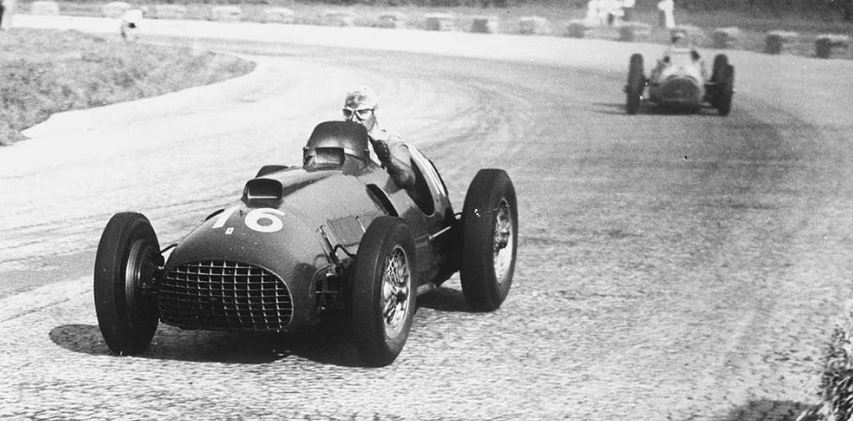
From the very beginning, motorsport was in Ferrari’s blood. Enzo famously stated, "We race to sell cars," but for fans, the racing is the brand. The team, known as Scuderia Ferrari, made its Formula 1 debut in 1950. Just a year later, Ferrari won its first Grand Prix at Silverstone with driver José Froilán González. This victory marked the beginning of a long and illustrious journey, with Ferrari becoming the only team to have competed in every season of Formula 1 since its inception in 1950.
Through the decades, Ferrari has amassed numerous Drivers' and Constructors' World Championships. Legends like Niki Lauda, Michael Schumacher, and Fernando Alonso have all played pivotal roles in Ferrari’s success.
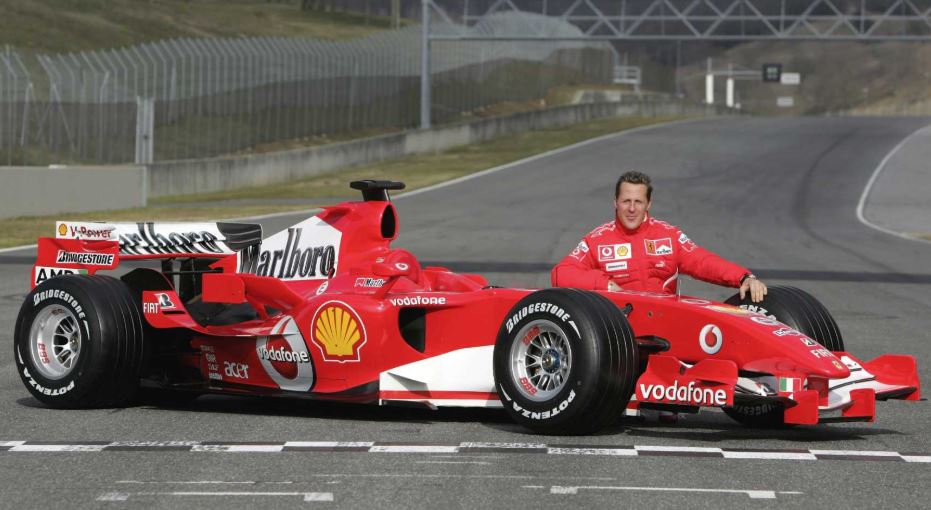
Michael Schumacher’s reign in the early 2000s remains one of the most dominant periods in F1 history. Partnered with technical director Ross Brawn and designer Rory Byrne, Schumacher led Ferrari to five consecutive Constructors' Championships from 2000 to 2004. This era solidified Ferrari’s place at the top of the motorsport hierarchy and turned the red car into a global icon of winning.
Beyond Formula 1, Ferrari's motorsport dominance extends to endurance racing. The brand has claimed multiple victories at prestigious events like the 24 Hours of Le Mans (most recently in 2023 and 2024 with the 499P Hypercar) and the historic Mille Miglia. The 250 Testa Rossa, with its beautiful open-cockpit design and powerful V12 engine, remains one of the most celebrated endurance racers of all time.
Defining the Supercar
Ferrari didn’t just influence motorsport; it played a pivotal role in shaping the concept of the supercar.
The 1960s: The birth of the Ferrari 250 series, including the legendary 250 GTO, established the template for the grand tourer: beautiful, fast, and exclusive.
The 1980s: The arrival of the F40 changed everything. Commissioned to celebrate Ferrari’s 40th anniversary, the F40 was a raw, turbocharged beast with no power steering, no ABS, and minimal interior trim. It became the first production car to break the 200 mph barrier. The F40 was a statement of intent, proving that Ferrari could blend race-inspired performance with road-going capabilities.
The 1990s & 2000s: The F40 was followed by the F50 (which used a Formula 1-derived V12), the Enzo (named after the founder, featuring advanced aerodynamics and carbon fiber construction), and eventually the LaFerrari. Each of these "halo cars" represented the pinnacle of Ferrari’s technological evolution, serving as testbeds for future innovations.
(Note: The "Gentleman’s Agreement" mentioned in some historical contexts primarily applied to Japanese manufacturers in the 1990s. European manufacturers like Ferrari were never bound by the 276 hp limit, allowing them to continue pushing power outputs higher with models like the F355 and 550 Maranello.)

Ferrari’s Influence on Pop Culture
Ferrari isn’t just a car brand; it’s a cultural icon. From Hollywood blockbusters to music videos and fashion collaborations, Ferrari represents a lifestyle of success, passion, and exclusivity. The iconic Rosso Corsa (Racing Red) paint and the Prancing Horse logo are instantly recognizable symbols of automotive excellence worldwide.
Think of films like Ferris Bueller’s Day Off, where the Ferrari 250 GT California Spider played a starring role (and suffered a tragic end), or the Testarossa’s ubiquitous appearance in Miami Vice, which cemented Ferrari’s place in 1980s pop culture history. Even today, Ferrari’s influence spans across generations, attracting both seasoned collectors who appreciate the heritage and younger enthusiasts drawn to the brand’s modern hypercars.
The Modern Era: Electrification Without Compromise
As the automotive world transitions toward electrification, Ferrari is embracing the challenge while staying true to its heritage. The company has declared that it will remain committed to the internal combustion engine for as long as possible, but it is also leading the charge in hybrid technology.
SF90 Stradale: Ferrari’s first plug-in hybrid supercar delivers over 1,000 horsepower, combining three electric motors with a twin-turbo V8. It proves that electrification can enhance, rather than diminish, the Ferrari driving experience.
296 GTB: A return to the V6 engine, but with a twist; it features a "hot-V" turbo layout and hybrid assistance, delivering F1-inspired sound and performance.
Purosangue: Ferrari’s first four-door, four-seater vehicle. While some purists were skeptical of an "SUV-like" model, the Purosangue aims to redefine high-performance luxury while staying faithful to the brand's DNA. With a naturally aspirated V12, it ensures that the soul of Ferrari remains intact.
Looking ahead, Ferrari is committed to blending tradition with innovation. Their roadmap includes fully electric models by 2025, but the promise is that they will still feel like Ferraris: emotional, loud, and thrilling.
Final Thoughts: More Than just a Car
Ferrari’s legacy is built on passion, performance, and an unwavering commitment to excellence. It is a brand that has survived economic crises, management changes, and technological shifts, always emerging stronger. Whether on the racetrack, the road, or in the hearts of enthusiasts worldwide, the Prancing Horse continues to inspire and captivate.
Owning a Ferrari isn’t just about driving; it’s about becoming part of an enduring legacy that transcends generations. It is about hearing the scream of a V12, feeling the grip of the tires, and knowing that you are piloting a piece of history. As Enzo Ferrari once said, "The best Ferrari is the next one." And if the past is any indication, the future of the Prancing Horse is brighter and faster than ever.
About the Creator
Mark Lim
Hi I am mark an automotive student and a car, tech and food enthusiast ! Im gonna try and post daily & hope you enjoy what I write and do share my page with people you know. I would gladly appreciate it! Cheers
Enjoyed the story? Support the Creator.
Subscribe for free to receive all their stories in your feed.
Comments
There are no comments for this story
Be the first to respond and start the conversation.