
FCP Euro Spring Tune-Up Recommendations: Preparing Your Car for Sunny Skies
automotive mods

The warmer, precipitation-free weather signals months of mostly lovely driving ahead. But after a long winter of salt, snow, and freezing temperatures, your car may not be ready. Whether your favorite ride was sitting in a climate-controlled garage or braving the elements with you, its condition may have changed for the worse. The change in season offers the perfect opportunity to give it a thorough lookover. There is a lot to examine if you do not know what to look for, so follow these spring tune-up recommendations to take the guesswork out of the process.
1. Wash Your Car
Winter weather, salt, and road debris are harsh on your car. There is something about a fresh, clean car after a long, rough winter that inspires you to go through the rest of the vehicle. Who wants to work on a dirty car when you could be working on a clean one? Removing the salt from your car as soon as possible prevents rot from taking over.
If you are new to hand washing your car which you should be doing to protect its delicate paint learn the "two-bucket" method and how to clay your car afterward. A proper wash sets the stage for everything else .
2. Swap Out Winter Wheels and Tires
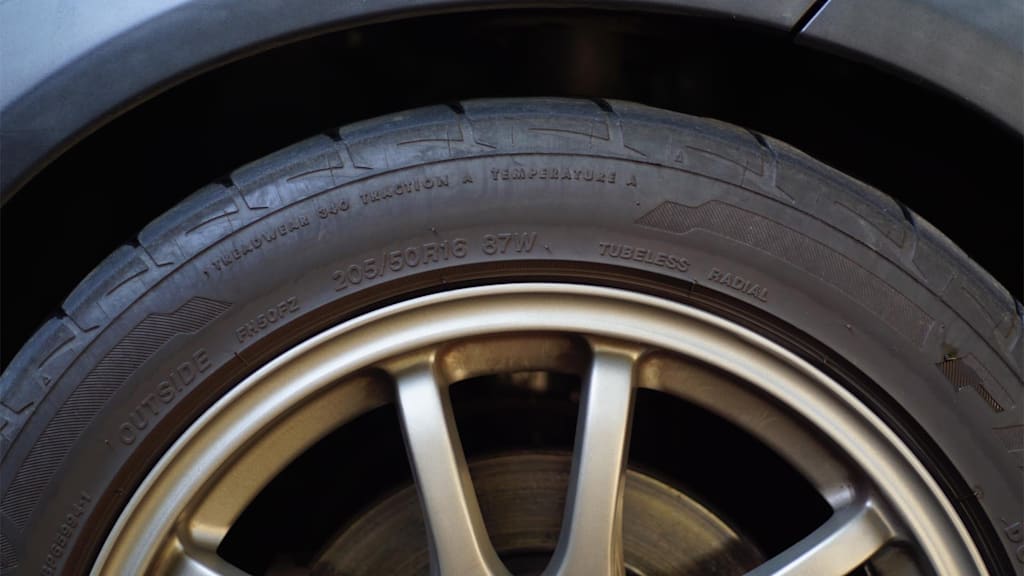
If you run separate sets of winter and summer tires (as any enthusiast should), spring is the perfect time to swap your summer tires back on and remove those loud, heavy, and ill-handling winter tires. The handling characteristics of a good set of summer tires are unmistakable.
If you just washed your car, your wheels should now be clean and ready to go directly into storage. Otherwise, clean the brake dust and grime off your wheels before putting them away. While your wheels and tires are off, it makes sense to inspect other major tune-up points. To make swapping your wheels and tires easier, consider using wheel hanger sets no more balancing a wheel while fiddling with annoying lug bolts .
3. Inspect and Replace Brake Parts
Since you should be swapping your winter wheels and tires for your summer setup, now is a good time to do a full brake inspection. Those who drive their cars hard typically go through brakes faster than the average driver. During the spring wheel and tire swap, consider replacing brake pads and checking rotors and brake lines for signs that they need replacement. Knowing what to look for is essential .
4. Replace Your Windshield Wiper Blades
Winter wreaks havoc on wiper blades. Road salt dries out the rubber, causing it to crack or lose flexibility. Clearing ice and snow can also deform the rubber. Making a point to replace your wiper blades every winter is the easiest way to ensure clear visibility .
5. Check Your Driveline Fluids
Your vehicle's fluids are critical to its condition and performance. Ensuring they are fresh and filled to their respective levels does not take much time, and none of the services are too complicated.
Brake Fluid : Brake fluid is hygroscopic, meaning it naturally absorbs water from the air. A brake fluid testing pen is the best way to check its water content, but you can also check its colour. Brake fluid is a very pale amber colour; anything darker is a sign for replacement.
Engine, Transmission, and Gear Oil : Dark oil is a sign for replacement. While these fluids are naturally dark (red for ATF, golden amber for engines and transmissions), they should be transparent without suspended particles or cloudiness. Check levels, especially if there are known leaks .
6. Check Your Air Filters
Cabin Air Filter : Your cabin air filter keeps contaminants and debris from being blown around your interior. With pollen season approaching, replacing the cabin air filter is the best way to ensure you stay sneeze-free while driving.
Engine Air Filter : Just as the cabin air filter cleans the air you breathe, the engine air filter cleans the air the engine breathes. Leaves and debris can block airflow, reducing performance and fuel economy. Replace it regularly.
7. Inspect and Replace Suspension Parts
If you live where it snows, your suspension is assaulted by salt, chemicals, and potholes. During your spring tune-up, look for:
Obviously broken or bent components : New suspension components are engineered to bend when faced with major potholes or curbs.
Leaking shocks or struts : If you see hydraulic fluid leaking, replacement is needed immediately. A bouncy ride is a telltale sign.
Bushings and ball joints : Look for rubber bushings that are cracked or separated from their housings, and ball joints with excessive play.
CV axles : Check for torn boots or escaping grease. If torn, inspect the bearing before deciding to replace the axle or simply repack the bearing and replace the boot .
8. Check the Battery
Your car battery is put through its paces in the winter. Chemical reactions are slowed, and engine oil is more viscous, adding extra strain. While under the hood, test the battery's voltage with the car running and off. Learn how to test your car's battery and alternator if you have never done this before .
This list may seem like a lot, but each item is an important piece in the larger system. Replacing parts improves your mechanical ability and ensures trouble-free driving going forward. Spring is the season of renewal not just for nature, but for your car as well. Give it the attention it deserves, and it will reward you with miles of smiles under sunny skies .
About the Creator
Mark Lim
Hi I am mark an automotive student and a car, tech and food enthusiast ! Im gonna try and post daily & hope you enjoy what I write and do share my page with people you know. I would gladly appreciate it! Cheers
Enjoyed the story? Support the Creator.
Subscribe for free to receive all their stories in your feed.
Comments
There are no comments for this story
Be the first to respond and start the conversation.