
Empty Showrooms: The New-Model Drought Reshapes Auto Retail
Shift to EVs and Delayed Investment Leave Dealers Short of Fresh Inventory Buyers Resist Higher Prices on Familiar Designs Industry Reckons with Cost and Timing Pressures

Something is conspicuously absent from car showrooms across the United States: genuinely new vehicles. Across the industry, the pipeline of all-new models has slowed to a trickle, a combination of costly transition to electrification, stretched product-development timelines, and a sharp pullback in spending amid uncertain demand. For dealers, the result is a growing disconnect: customers are paying more for largely unchanged vehicles, and many are beginning to push back. As one New Jersey retailer put it plainly: “It’s real bad. I literally have people saying, ‘I am not leasing this car again. It’s the same car, and the price keeps going up.’”
The Thinning Pipeline
The shortage of fresh produce is unlike anything seen in recent decades. Traditionally, manufacturers have refreshed or replaced models on a four- to five-year cycle, keeping showrooms lively and giving buyers new reasons to visit. That rhythm has faltered as billions of dollars in investment have been redirected toward electric platforms, battery development, and software integration priorities that delay updates to existing lineups even as they prepare future ones. The result is a curious paradox: the industry is transforming beneath the surface, yet the cars on sale look and feel familiar, with few truly new designs arriving to replace ageing favourites.
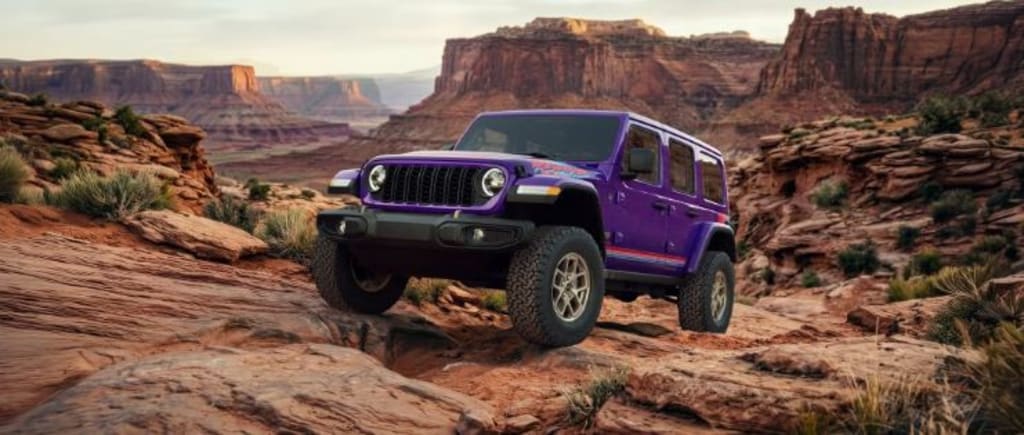
Manufacturers are filling the gap with stopgaps: special editions, retro-themed packages, and cosmetic facelifts intended to sustain interest without the cost of full redesigns. A special-edition Jeep Wrangler with heritage styling cues or a premium trim package can generate short-term excitement, but it cannot mask the underlying reality that the core vehicles beneath have remained largely unchanged for extended periods. These measures are proving increasingly inadequate, however, as consumers recognise that they are paying higher prices for essentially the same product.
Pricing Pressure Meets Buyer Resistance
The tension is most visible at the transaction level. Prices have risen steadily over recent years, driven by inflation, advanced technology content, and the amortisation of massive EV-related investment. When vehicles were updated regularly, buyers could see value in the improvements: better safety, enhanced efficiency, and improved connectivity. Today, with fewer new models to show for the higher cost, that justification is wearing thin. Lessees in particular are vocal: monthly payments have climbed, but the vehicle they are returning is indistinguishable from the one they are being offered, and they are declining to renew. This resistance is emerging just as the broader market is showing signs of fragility, with consumer confidence under pressure and interest rates remaining elevated.
A Transition in Waiting
The pause in new-model introductions is not accidental; it is the visible surface of a fundamental re-engineering of the industry. Automakers are building entirely new architectures, battery supply chains, and software ecosystems work that consumes capital and talent that would otherwise go toward updating today’s vehicles. The expectation has been that once these foundations are in place, a wave of compelling new products will follow. But the timeline is stretching: EV adoption is growing more slowly than projected in some markets, profitability remains elusive for many models, and manufacturers are re-evaluating how fast to push the transition. The result is a period of limbo where the old is no longer being refreshed, and the new has not yet arrived in sufficient volume or variety to fill the gap.
Dealers Caught in the Middle
For retailers, the challenge is immediate. Their business depends on turnover: new vehicles draw foot traffic, create trade-in opportunities, and generate service revenue. When inventory is static, customers stay away or delay purchases indefinitely. Some dealers report buyers stepping back to wait for promised electric models or next-generation designs, creating a sales lull that risks becoming self-reinforcing. Manufacturers are encouraging patience, framing the current gap as a necessary investment in the future, but retailers operate in the present and their customers want something new to buy today.
Waiting for the Next Wave
The new-model drought is more than a temporary supply-chain hiccup; it is a structural pause in the automotive lifecycle. As the industry retools for an electric and software-defined future, it has slowed the renewal of the vehicles on sale right now. The question is whether the forthcoming wave of next-generation models will arrive in time to re-energise showrooms, win back hesitant buyers, and justify the years of higher prices and limited choice. Until then, dealers and customers alike are navigating a market where the most sought-after thing is simply something new.
About the Creator
Mark Lim
Hi I am mark an automotive student and a car, tech and food enthusiast ! Im gonna try and post daily & hope you enjoy what I write and do share my page with people you know. I would gladly appreciate it! Cheers
Enjoyed the story? Support the Creator.
Subscribe for free to receive all their stories in your feed.
Comments
There are no comments for this story
Be the first to respond and start the conversation.