
BYD’s Q3 Warning: Volume Held, Profit Didn’t
For 2027, the pressure comes from overseas margins and the export rebate cut. Domestic sales growth matters less.
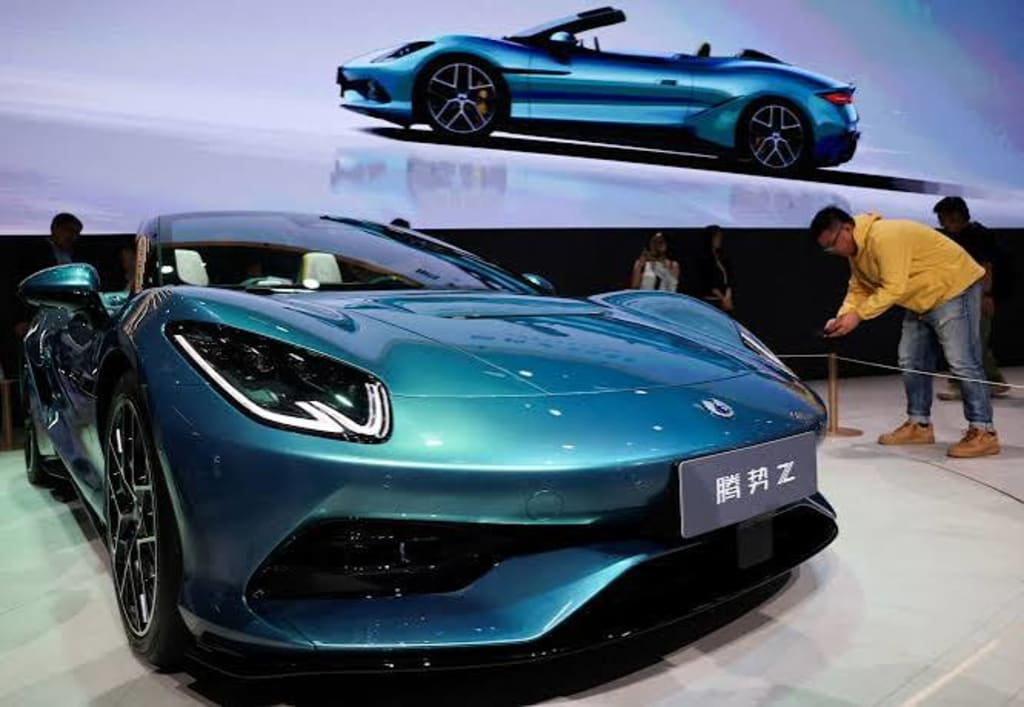
The Q3 report: volume held, per-vehicle profit did not
Sales volume matters less than gross margin and per-vehicle net profit in the Q3 report. In the interim report, per-vehicle profit had recovered and gross margin was rising. The market read that as a possible inflection point. Q3 broke the read. Volume grew, gross margin fell, and per-vehicle net profit did not stabilize.
Put the quarters together. The interim report showed volume recovery and rising gross margin. Q3 showed volume growth and falling gross margin. Volume and profit moved in opposite directions. Economies of scale did not translate smoothly into better per-vehicle profit. Possible causes include domestic discounts, a higher mix of low-margin models, changes in export mix, and expense timing. Q3 does not disclose enough segment data to rank them. The direction is clear.
Accounting needs a separate note. The R&D capitalization ratio rose this year. Capitalization lowers current expenses and lifts current profit. It also raises future amortization. On the earlier, more conservative expensing basis, profit would likely be weaker. Gross margin decline is separate from capitalization. Net profit and earnings quality are not. Track three numbers: whether the capitalization ratio keeps rising, the growth rate of the development expenditure balance, and the gap between operating cash flow and net profit.
Overseas is the profit center. Its marginal contribution is nearing a turn
BYD’s profit structure runs through overseas markets. In the interim report, overseas revenue was 52.57%, overseas gross margin was 21.71%, and domestic gross margin was 15.67%. The gap was 6 points. The main profit pool is overseas. Domestic operations are likely break-even or only slightly profitable. BYD’s earnings sensitivity depends more on high-margin overseas business than on domestic volume.
Two definitions need checking. First, is the 52.57% overseas revenue share a group figure or an auto-business figure? Group revenue includes autos and related products, handset components and assembly, and other businesses. Overseas revenue share and overseas auto revenue share are different numbers. Second, what does the export growth figure cover? Exports of 3.887 million vehicles in the first nine months, up 138.8% year on year, is unusually high. Confirm whether it is total vehicle exports, passenger-car manufacturer exports, NEV exports, or a narrower segment. Confirm the base period too. Definitions change the conclusion about overseas strength.
After the definitions, look at the marginal change. The export tax rebate will be cut in April next year. A pull-forward export window is likely in Q4 this year and Q1 next year. After the window, year-on-year growth will likely normalize. Overseas exports in 2027 will not match the 2026 level. That marginal loss will hit the part of BYD’s earnings that has been carrying the story.
Two judgments for 2027
First, domestic growth is flat. Consensus expects the domestic auto market to be flat or slightly better next year. NEV penetration is already high. It will not deliver excess growth. Domestic NEV retail was down 12.8% year on year through Q3. Confirm whether that is NEV retail or passenger-car retail. If NEV retail is already negative, the industry beta is worse than “not optimistic,” and BYD’s volume defense depends more on exports and share gains. If only overall passenger-car retail is down, the conclusion should be softer.
Second, domestic competition will stay tough. Interim reports from major new forces show relatively ample cash at most of them. Seres has heavier cash consumption. Profitability is weak across the group, but competitive pressure has not cleared. In 2027, the domestic market will remain crowded and price-driven. Product upgrades are unlikely to produce much pricing power. Do not expect much relief for BYD here.
Put the two judgments together. Double-digit volume growth in 2027 would be a decent result. Per-vehicle profit will be hard to hold even if it stabilizes. Next year also brings two tax changes. The purchase tax incentive phase-down affects domestic transaction prices and demand. Automakers may absorb part of the cost, which pressures per-vehicle net profit. The export tax rebate cut hits overseas gross margin. The two have different profit sensitivity. Run them separately. Do not lump them into one “tax pressure” line.
Under this view, the 2027 profit outlook is hard to raise. Valuation is unlikely to improve much. Share-price downside depends on how much of the 2027 pressure is already priced. It also depends on whether overseas localization, high-end exports, external battery supply, and energy storage can surprise the market. For profit and valuation themselves, the direction is cautious.
What to track in 2027
Track per-vehicle ASP, per-vehicle cost, and per-vehicle net profit by quarter. Separate export share from product mix. Track gross margin by region. Overseas gross margin is the hinge for the domestic break-even call. Track export volume and localized capacity in Thailand, Brazil, Hungary, and other markets. Local production needs to offset rebates and tariffs. Track the R&D capitalization ratio, the development expenditure balance, and the cash flow to net profit gap. Track domestic discounts, dealer inventory, and insurance registrations. Track the timing of purchase tax and export rebate policy, especially the pullback after the Q4 2026 to Q1 2027 export window.
Conclusion
The Q3 report sent a simple signal. The volume base is still there. The profit inflection has been delayed. BYD’s competitive position has not broken. In a weak industry beta, beating rivals by a wide margin is hard work. The capital market applies a stricter standard to the leader. Holding volume is the baseline. Failing to hold per-vehicle profit is the repricing trigger.
For 2027, watch overseas gross margin and the size of the export rebate cut. Domestic volume growth matters less. Profit forecasts are hard to raise. Valuation lacks a catalyst. Downside depends on what is already priced. A leader can beat rivals and still post weaker profit when the market and export cycle turn. That is the pressure BYD now faces.
About the Creator
Jin
Writer of reamstories
https://reamstories.com/jin
Enjoyed the story? Support the Creator.
Subscribe for free to receive all their stories in your feed. You could also become a paid subscriber, letting them know you appreciate their work.
Comments
There are no comments for this story
Be the first to respond and start the conversation.