
Best Outdoor Car Cover for Hail Protection
Best Outdoor Car Cover for Hail Protection | How to Choose the Right Cover
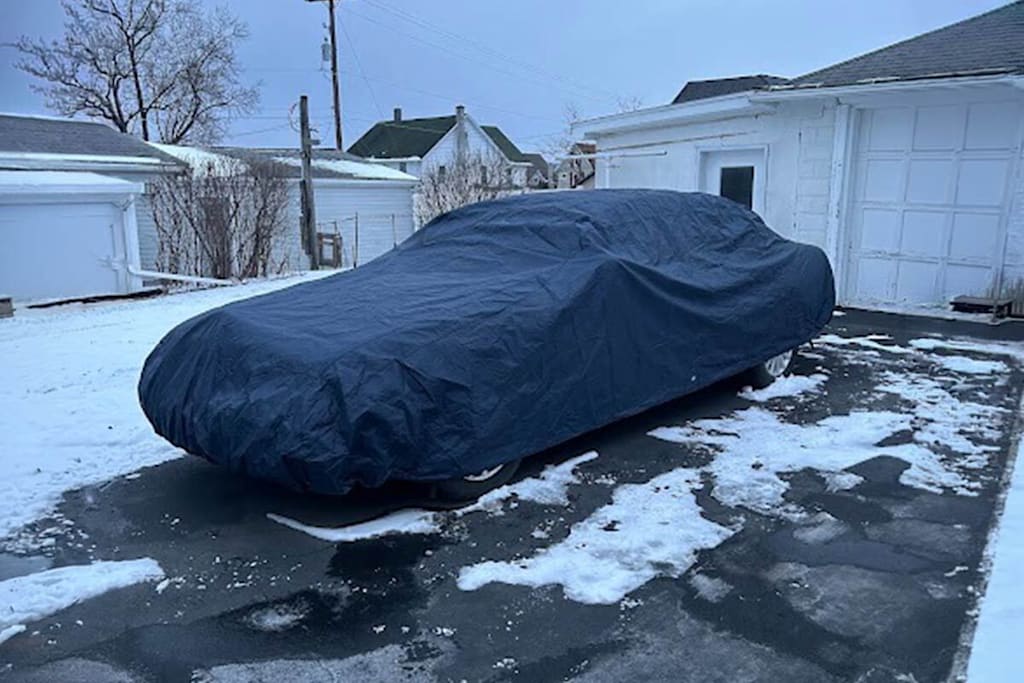
Protecting a vehicle from hail requires more than simply covering it with fabric. The Best Outdoor Car Covers combine durable outer materials, a secure fit, weather resistance, and breathable construction to reduce exposure to hail, UV rays, rain, dust, and debris. While no standard car cover can completely prevent severe hail damage, choosing the right cover can help minimize cosmetic damage and improve overall outdoor protection.
Quick Answer
The Best Outdoor Car Cover for hail protection is one designed specifically for outdoor use with multiple protective layers, a snug vehicle-specific fit, reinforced seams, and breathable materials. A quality outdoor cover reduces the impact of small hailstones, shields paint from UV exposure, and helps protect against rain, tree sap, bird droppings, and airborne debris. However, extremely large hail can still damage a vehicle, even with a cover.
Why Hail Protection Requires More Than a Basic Car Cover
Hailstorms can develop quickly and often occur alongside strong winds and heavy rain. Besides dents, hail can damage clear coats, scratch paint, and leave debris trapped against the vehicle's surface.
An outdoor cover intended for year-round use should provide protection against multiple environmental hazards, including:
Small hail and falling debris
UV radiation
Rain and moisture
Dust and pollen
Tree sap
Bird droppings
Wind-blown dirt
The goal is not only hail protection but reducing cumulative weather-related wear throughout the year.
According to the National Weather Service (NOAA), hail forms inside strong thunderstorms when water droplets repeatedly freeze before falling to the ground. Hail size and impact vary significantly depending on storm intensity.
What Makes the Best Outdoor Car Cover for Hail Protection?
Several characteristics determine whether an outdoor cover performs well during changing weather conditions.
Multiple Protective Layers
Multi-layer construction helps absorb minor impacts while improving resistance against abrasion and weather exposure. Different layers typically perform different functions, including water resistance, durability, and soft paint protection.
Secure Vehicle-Specific Fit
A properly fitted cover stays in place during windy conditions.
Vehicle-specific covers generally provide:
Better coverage
Reduced fabric movement
Less paint abrasion
Improved weather resistance
Universal covers may leave exposed areas or shift during storms.
Breathable Construction
Breathable materials allow moisture vapor to escape.
Without breathability, condensation may become trapped beneath the cover, increasing the risk of mildew or water spots during long-term outdoor storage.
Water-Resistant vs. Waterproof
These terms are often confused:
Water-resistant covers
Handle light rain well
Offer limited protection during prolonged, heavy rain
Typically allow moisture to escape more easily
Good for general outdoor use
Waterproof covers
Handle both light and prolonged heavy rain more effectively
Provide stronger protection against water penetration
Breathability depends on the material and construction
Best for long-term outdoor use when combined with proper ventilation
A completely waterproof cover that is not breathable can trap moisture underneath, which may lead to condensation, mildew, or other moisture-related issues.
Comparison: Choosing the Right Outdoor Car Cover
Daily outdoor parking
Primary risks: UV exposure, dust, and rain
Recommended feature: Breathable, multi-layer cover
Important limitation: Remove the cover periodically to inspect the vehicle
Seasonal storage
Primary risk: Moisture buildup
Recommended feature: Waterproof exterior with a breathable lining
Important limitation: The vehicle should be clean before covering
Tree-covered parking
Primary risks: Tree sap, leaves, and bird droppings
Recommended feature: Soft inner lining with a durable outer shell
Important limitation: Regular cleaning is still required
Windy locations
Primary risk: Cover movement
Recommended feature: Elastic hems and secure straps
Important limitation: A loose-fitting cover may rub against and scratch the paint
Moderate hail regions
Primary risk: Small hail
Recommended feature: Thick, multi-layer outdoor cover
Important limitation: Even a heavy-duty cover cannot guarantee protection from severe hail damage
How Climate Affects Car Cover Selection
Climate plays an important role when selecting Outdoor Car Covers.
Hot and Sunny Regions
Choose covers offering strong UV resistance to reduce paint fading and interior heat buildup.
The U.S. Environmental Protection Agency explains that prolonged UV exposure gradually breaks down many outdoor materials, making UV-resistant fabrics important for long-term durability.
Rainy Areas
Water resistance and breathable construction become more important than insulation alone.
Snow and Ice
Look for covers that resist moisture while remaining flexible during cold weather.
Hail-Prone Areas
Prioritize thicker multi-layer construction and secure fastening systems that prevent the cover from lifting during storms.
Common Mistakes When Buying a Car Cover
Many buyers focus only on price or thickness.
Avoid these common mistakes:
Choosing an indoor-only cover for outdoor storage
Buying an oversized universal cover
Covering a dirty vehicle
Leaving trapped moisture beneath the cover
Ignoring wind straps or elastic hems
Assuming every thick cover protects against severe hail
Even high-quality Car Covers require proper installation and maintenance to perform effectively.
How to Extend the Life of Your Car Cover
Proper maintenance benefits both the cover and the vehicle underneath.
Recommended practices include:
Wash the vehicle before covering it.
Remove trapped leaves and debris regularly.
Allow the cover to dry completely before storage.
Inspect straps and seams after storms.
Clean the cover according to manufacturer recommendations.
Routine maintenance also reduces abrasion caused by trapped dirt particles.
When Is a More Expensive Cover Worth It?
Higher-priced covers often provide better long-term value when a vehicle remains outdoors throughout the year.
Premium outdoor covers typically offer:
Better stitching quality
Improved UV-resistant fabrics
Softer interior linings
More durable fastening systems
Better long-term weather resistance
However, occasional outdoor parking may not justify the additional cost if the vehicle is normally stored in a garage.
Readers comparing different Best Outdoor Car Covers can explore available options from Best Outdoor Car Covers to understand the features commonly offered for year-round vehicle protection.
Outdoor Travel and Truck Owners
Drivers who frequently travel, camp, or overland often protect additional gear beyond the vehicle itself.
Truck owners looking for secure cargo storage may also consider truck caps, which help protect equipment from weather exposure during outdoor adventures.
Frequently Asked Questions
Can a car cover completely prevent hail damage?
No. Standard outdoor car covers can reduce the impact of small hail and protect paint from scratches, but severe hailstorms may still dent body panels.
Is a thicker car cover always better?
Not necessarily. Material quality, fit, breathability, and secure installation are just as important as thickness.
Should a vehicle be covered while wet?
It is generally better to dry the vehicle before installing a cover. Although breathable covers help moisture escape, covering a wet vehicle for extended periods may increase the risk of trapped moisture.
How often should an outdoor car cover be cleaned?
Cleaning frequency depends on local conditions. Vehicles parked under trees or in dusty environments usually require more frequent cover cleaning than those stored in cleaner areas.
Conclusion
Choosing the Best Outdoor Car Cover for Hail Protection involves balancing durability, breathability, proper fit, and weather resistance rather than focusing on thickness alone. A quality outdoor cover helps reduce exposure to hail, UV rays, rain, dust, and debris while supporting long-term paint protection. Since no standard cover can eliminate damage from severe hail, selecting a vehicle-specific outdoor cover and maintaining it properly provides the most practical level of protection.
About the Creator
Enjoyed the story? Support the Creator.
Subscribe for free to receive all their stories in your feed.
Comments
There are no comments for this story
Be the first to respond and start the conversation.