
Batmobile: A Cultural Mirror on Wheels
From the campy 1966 bubble-canopy cruiser to the tank-like aggression of the Tumbler, the Batmobile has evolved with every generation of Batman and with every era of American culture.

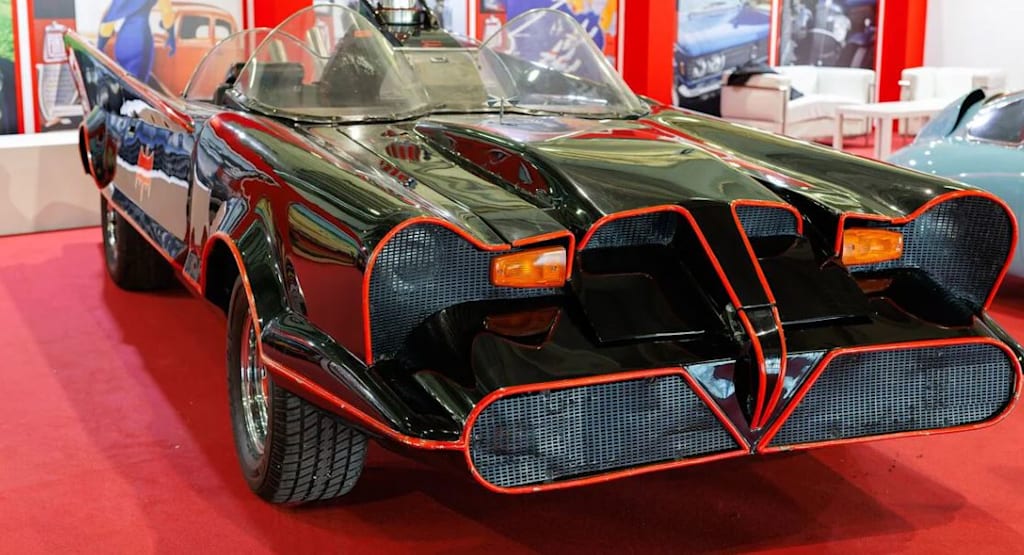
The Batmobile may reflect Batman's mood and era, but it's just as shaped by the times that created it. From the quirky 1966 bubble-canopy cruiser to the Tumbler's tank-like aggression, the Batmobile has evolved with every generation of Batman. It is less a car and more a cultural mirror, constantly evolving yet always legendary.
The Birth of an Icon
When Batman first appeared in Detective Comics #27 in 1939, he drove a simple red sedan. It wasn't until 1941, with the introduction of the Batmobile in the comics, that the car began to take on its iconic form. The early Batmobile was a sleek, streamlined vehicle, often depicted as a modified Cadillac or Lincoln. It was fast, powerful, and unmistakably Batman, a symbol of the Dark Knight's relentless pursuit of justice.
But it was the 1960s television series, starring Adam West and Burt Ward, that truly cemented the Batmobile's place in pop culture. The car, a modified 1955 Lincoln Futura concept car, was a masterpiece of retro-futurism. With its bubble canopy, rocket-like fins, and whimsical gadgets including a Batphone and a Batcomputer, it captured the campy, playful spirit of the era. The car's design was a reflection of the times: optimistic, colorful, and unapologetically fun.
The 1989 Batmobile: A Darker Turn
When Tim Burton's Batman hit theaters in 1989, the Batmobile underwent a radical transformation. Gone was the playful, whimsical cruiser of the 1960s; in its place was a sleek, jet-inspired machine that looked like it could tear through Gotham's streets. Designed by Anton Furst, the 1989 Batmobile was a fusion of muscle car and fighter jet, with a long, low-slung body, turbine engine, and an unmistakable sense of menace.
This Batmobile was a reflection of the times. The 1980s were marked by a shift toward darker, more complex storytelling in popular culture, and Burton's Batman was a product of that shift. The car's design was a visual representation of Batman's brooding, tormented character a stark contrast to the lighthearted Adam West era. It was a car that meant business, and audiences loved it.
The Tumbler: A Tank for a New Millennium
By the time Christopher Nolan's Batman Begins was released in 2005, the world had changed once again. The post-9/11 era was defined by anxiety, uncertainty, and a growing fascination with gritty realism. Nolan's Batmobile, known as the Tumbler, reflected this shift perfectly.
The Tumbler was less a car and more a military-grade vehicle, designed to navigate the treacherous streets of Gotham. With its massive tires, armored body, and jet engine, it looked like something out of a war zone. It was a tank, not a cruiser, and its design was a testament to Nolan's commitment to grounding Batman in a world that felt real and tangible.
The Tumbler's popularity was immediate and enduring. It became a symbol of the dark, gritty realism that defined Nolan's trilogy, and its influence can be seen in countless other pop culture vehicles. It was a Batmobile for a generation that had grown up on action movies and video games, and it perfectly captured the mood of the era.
The Evolution Continues
The Batmobile has continued to evolve with each new iteration of Batman. From the sleek, muscular design of the Batmobile in Batman v Superman: Dawn of Justice to the more grounded, street-level vehicle in The Batman (2022), the car has always been a reflection of its time. The Batman film, directed by Matt Reeves, featured a Batmobile that was part muscle car, part hot rod, with a raw, visceral quality that matched the film's noir-inspired aesthetic.
Each iteration of the Batmobile is a product of its era, shaped by the cultural, political, and technological forces of the time. The car is more than just a mode of transportation; it's a symbol of who Batman is and what he represents. It's a reflection of his values, his struggles, and his unwavering commitment to justice.
The Batmobile's Lasting Legacy
The Batmobile is one of the most iconic vehicles in pop culture history. It has inspired countless imitators, from the Batcycle to the Batwing, and its influence can be seen in everything from video games to toys to fashion. But its true legacy lies in its ability to adapt and evolve with the times.
Whether it's the campy cruiser of the 1960s, the sleek jet of the 1980s, or the tank-like Tumbler of the 2000s, the Batmobile has always been a cultural mirror, reflecting the hopes, fears, and aspirations of each generation. It is a testament to the enduring power of storytelling and the ability of a single image to capture the spirit of an era.
The Batmobile is more than just a car; it's a symbol. It's a symbol of justice, of resilience, and of the enduring struggle between good and evil. It's a reminder that even in the darkest of times, there is always hope and that sometimes, all you need is a little bit of style to make a difference.
About the Creator
Mark Lim
Hi I am mark an automotive student and a car, tech and food enthusiast ! Im gonna try and post daily & hope you enjoy what I write and do share my page with people you know. I would gladly appreciate it! Cheers
Enjoyed the story? Support the Creator.
Subscribe for free to receive all their stories in your feed.
Comments
There are no comments for this story
Be the first to respond and start the conversation.