
Are Remote Car Starters Still Worth It in 2026?
Factory Apps vs. Aftermarket Systems: Which Option Gives You the Best Value?

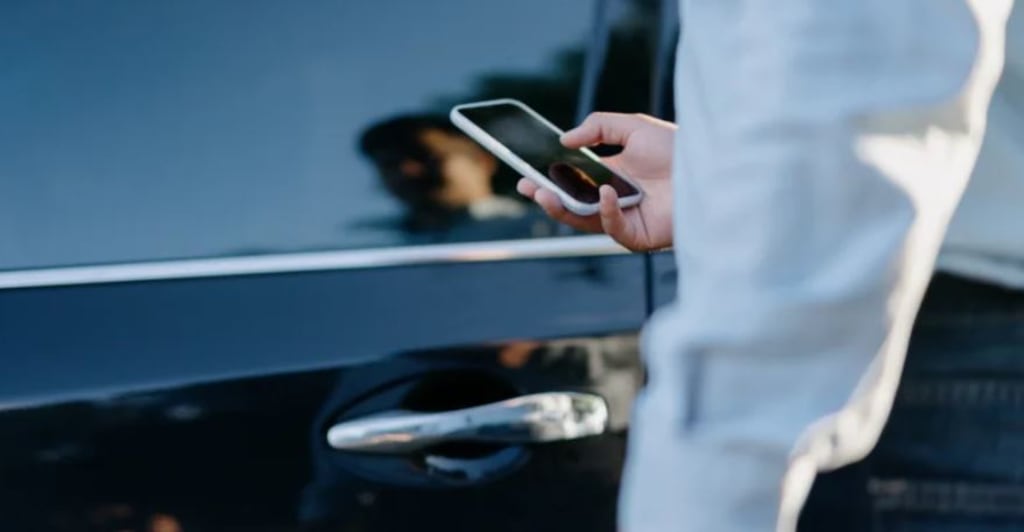
Imagine stepping into your car on a freezing winter morning without scraping ice off the windshield or climbing into a comfortable cabin after it has been parked under the scorching summer sun all day. That convenience is exactly why remote car starters have remained popular for decades. What has changed in 2026 isn't the technology itself, but how people access it. Many automakers now bundle remote start with smartphone apps and subscription services, while aftermarket manufacturers continue to offer one-time purchase alternatives.
The growing number of subscription-based features has sparked debate among car owners. Is it worth paying a monthly fee for a feature your vehicle may already support, or is an aftermarket remote starter still the better investment? The answer depends on your vehicle, your budget, and how long you plan to keep your car.
A remote car starter is exactly what its name suggests. It allows drivers to start their vehicle without being inside it. Modern systems generally come in two forms. The first uses a dedicated key fob that works within a certain range, while the second relies on a smartphone app that communicates with the vehicle through an internet connection. Smartphone-based systems allow owners to start their vehicles from virtually anywhere, making them especially useful before leaving work, home, or even an airport terminal.
The primary advantage of remote start is comfort. During winter, drivers can warm the cabin, activate heated seats, and allow the defroster to clear frost and ice before getting inside. In hot climates, the air conditioning can cool the interior, preventing the uncomfortable experience of sitting in an overheated vehicle. Instead of enduring extreme temperatures for the first several minutes of every drive, owners can enjoy a cabin that is already comfortable when they arrive.
Beyond comfort, there are practical benefits. In colder climates, allowing the engine to warm up briefly before driving may reduce stress on engine components during cold starts. While modern engines do not require extended idling, a short warm-up period can still improve drivability in extremely cold conditions. This makes remote starters more than just a luxury feature for many drivers.
For owners of newer vehicles, however, remote start has become more complicated. Many manufacturers now include the hardware in the vehicle but restrict smartphone access behind subscription services. Companies including General Motors, Toyota, Subaru, Mazda, Honda, and Nissan offer connected services that provide remote starting through their mobile apps. Most new vehicles include a complimentary trial period ranging from several months to a few years, depending on the manufacturer and model.
Once those free trials expire, owners typically need to pay between $10 and $25 per month to continue using the service. While that may not seem expensive at first, the costs quickly add up. A $15 monthly subscription amounts to $180 every year, meaning owners could spend hundreds or even thousands of dollars over the lifetime of the vehicle simply to continue using a feature that is already built into their car.
Some manufacturers take a more consumer-friendly approach by including long-term or even decade-long access. Brands such as Ford, Lincoln, Jeep, Dodge, Tesla, and Rivian offer extended periods of complimentary app-based remote start on certain models. For owners of these vehicles, subscription costs are less of a concern, making factory systems an attractive option because they integrate seamlessly with other connected vehicle features.
For many drivers, however, aftermarket systems remain the more economical solution. Companies such as Compustar, Viper, and Python continue to produce remote starter systems that require only a one-time purchase. Basic hardware generally costs more than $150, while professional installation often doubles the overall investment. Although some brands charge extra for smartphone connectivity, there are no recurring monthly subscription fees after installation.
This long-term cost advantage becomes especially significant for drivers who intend to keep their vehicles for many years. Instead of paying monthly for as long as they own the car, they make one upfront investment and continue using the system without additional charges. Over five or ten years, the savings compared to subscription services can be substantial.
Aftermarket remote starters are also the best option for older vehicles that never came equipped with factory remote start capabilities. Most automatic transmission vehicles built after 2000 can accommodate professionally installed systems, giving owners access to modern convenience without purchasing a new vehicle. Manual transmission vehicles can sometimes support remote start as well, although they require additional safety features and are generally more complex to install.
Today's aftermarket systems have also become increasingly sophisticated. Many include smartphone apps that allow owners to start the engine, lock or unlock doors, monitor vehicle status, and adjust climate settings remotely. The overall user experience has become remarkably similar to factory-connected services while avoiding recurring subscription costs.
That said, factory-installed systems do offer several advantages. Because they are designed specifically for each vehicle, they integrate perfectly with existing electronics and security systems. Owners also benefit from manufacturer support, software updates, and compatibility with other connected services such as vehicle location, maintenance alerts, and diagnostics. Drivers who value convenience and seamless integration may find factory systems worth the subscription, especially if they already subscribe to a broader connected vehicle package.
Choosing between factory and aftermarket remote starters ultimately comes down to balancing convenience against long-term ownership costs. Drivers who lease vehicles or replace them every few years may find factory subscription services perfectly acceptable, particularly if the fees remain covered during the ownership period. Those who keep their vehicles for a decade or longer are more likely to benefit financially from installing an aftermarket system with no recurring charges.
As automakers continue introducing subscription-based features, consumers are becoming more aware of the true cost of digital ownership. Remote start has become one of the most visible examples of this trend. While technology continues to improve, many drivers question whether they should continue paying every month to access features that already exist within their vehicles.
In the end, remote car starters remain just as valuable in 2026 as they have been for years. The ability to enter a warm car on a freezing morning or a cool cabin during a heatwave provides everyday comfort that many drivers quickly grow accustomed to. The biggest difference today isn't whether remote start is useful; it's deciding the smartest way to access it. For newer vehicles, factory apps offer convenience but may come with ongoing subscription costs. For older vehicles and long-term owners, aftermarket systems continue to provide one of the best values in automotive convenience, delivering the same comfort without locking drivers into another monthly bill.
About the Creator
Mark Lim
Hi I am mark an automotive student and a car, tech and food enthusiast ! Im gonna try and post daily & hope you enjoy what I write and do share my page with people you know. I would gladly appreciate it! Cheers
Enjoyed the story? Support the Creator.
Subscribe for free to receive all their stories in your feed.
Comments
There are no comments for this story
Be the first to respond and start the conversation.