
7 Signs Your Tyres Need Replacing Before They Fail You on the Road
Most drivers don't notice tyre problems until something goes wrong. Here are seven warning signs to check before your tyres put you at risk.

Most drivers only think about their tyres when something goes badly wrong a blowout on the motorway, a slow puncture that flattens overnight, or a failed MOT. But tyres rarely fail without warning. The signs are usually there weeks before the problem becomes serious.
The trouble is, most of us aren't sure what to look for.
This guide covers seven clear warning signs your tyres need replacing explained practically, without the jargon. If any of these apply to your car right now, take action before the road does it for you.
Sign 1: Your Tread Depth Is Below 3mm
The UK legal minimum tread depth is 1.6mm across the central three-quarters of the tyre. Fall below that and you risk a £2,500 fine and three penalty points per tyre.
But here's the part most people don't know: the real danger zone starts at 3mm, not 1.6mm. At 1.6mm tread, wet braking distances can increase by up to 44% compared to a tyre at 3mm. That's the difference between stopping before a junction and going through it.
How to check without a gauge:
Take a 20p coin and insert it into the main tread groove. If the outer band of the coin is visible, your tread is below 1.6mm and the tyre needs replacing immediately. If you can see it but it's borderline, budget for new tyres soon don't wait for the next garage visit.
Modern tyres also have built-in tread wear indicators small raised bars sitting between the tread grooves. When the tread wears level with these bars, the tyre is legally finished.
Sign 2: Visible Cracks or Splits in the Sidewall
The sidewall is the vertical face of the tyre the part you can see clearly when you crouch down beside the wheel. Run your eye along it. Any cracking, crazing, or splits in the rubber are a warning that the tyre is ageing from the inside out.
This happens because tyre rubber contains oils and compounds that keep it flexible. Over time especially with UV exposure, ozone, and temperature changes those compounds break down. The rubber becomes brittle. Cracks appear.
A cracked sidewall doesn't always mean the tyre will fail today. But it means the structural integrity is compromised, and a blowout becomes increasingly likely under load or at speed. If the cracks are deep enough to show structure beneath, replace the tyre immediately.
Sign 3: A Bulge or Bubble on the Tyre
A bulge on the sidewall or tread area is one of the most urgent signs on this list. It means the inner lining of the tyre has been damaged usually by a sharp impact like hitting a pothole or mounting a kerb and air is forcing its way into the outer layers of rubber.
That bulge is essentially a weak point under pressure. There is no repair for this. A bulging tyre needs to come off the car.
Do not drive on it at motorway speeds. If you spot a bulge, get the tyre replaced as soon as possible, and drive gently and at lower speeds until it is sorted.
Sign 4: Uneven Tread Wear Across the Tyre
If your tyres are wearing more on one edge than the other, or wearing in patches rather than evenly across the surface, that's a problem and the tyre may not be the only issue.
Uneven wear usually points to one of three things:
- Wheel misalignment your wheels aren't pointing in the same direction they should be
- Incorrect tyre pressure over-inflation wears the centre; under-inflation wears the edges
- Suspension or handling issues worn components causing unequal load on the tyre
The danger here is that uneven wear reduces grip in specific areas of the tyre, making it unpredictable. Always fix the underlying cause when you replace the tyre, or the same thing will happen to the new one.
Sign 5: The Tyre Is More Than Five Years Old
Even if your tyres look fine and have good tread depth, age is a factor that's easy to overlook.
Rubber degrades over time regardless of how much the car is used. A tyre that's been sitting on a lightly-used car for seven years may look perfectly fine to the naked eye but be significantly weakened internally.
Most manufacturers recommend a professional inspection after five years and consider replacement after ten years as a maximum regardless of tread depth. If your car has been sitting unused for an extended period, or you've just bought a used vehicle, it's worth checking the manufacture date.
How to find the tyre's age:
Look at the sidewall for a four-digit code starting with the letters DOT. The last four digits tell you the week and year of manufacture. For example, 1223 means the tyre was made in the 12th week of 2023.
Sign 6: Vibration or Pulling at the Wheel
If your car pulls to one side while driving straight, or you feel unusual vibration through the steering wheel, your tyres could be the cause though not always the only one.
- Possible tyre-related causes include
- One tyre significantly more worn than the others
- Internal tyre damage not visible from outside
- A tyre that's out of balance
- A slow puncture causing inconsistent pressure
Pulling and vibration can also come from wheel alignment, worn suspension components, or brake issues. The point is: these symptoms shouldn't be ignored. They tend to get worse over time, not better, and they directly affect your ability to control the vehicle in an emergency.
If you notice this, get the tyres checked first. It's usually the quickest and cheapest thing to rule out.
Sign 7: You've Had a Recent Puncture or Impact
A tyre that's been repaired after a puncture, or one that took a hard hit from a pothole or kerb, deserves a closer look even if it seems fine.
Not all puncture damage is visible from the outside. Some impacts cause internal structural damage particularly to the sidewall and inner lining that only becomes apparent under load at higher speeds. A tyre that holds pressure after repair may still have compromised integrity in ways that can't be fixed.
If a tyre has been punctured and repaired more than once, or if the repair was done at the tread edge or sidewall, replacement is almost always the safer and more sensible option.
What to Do If Any of These Apply
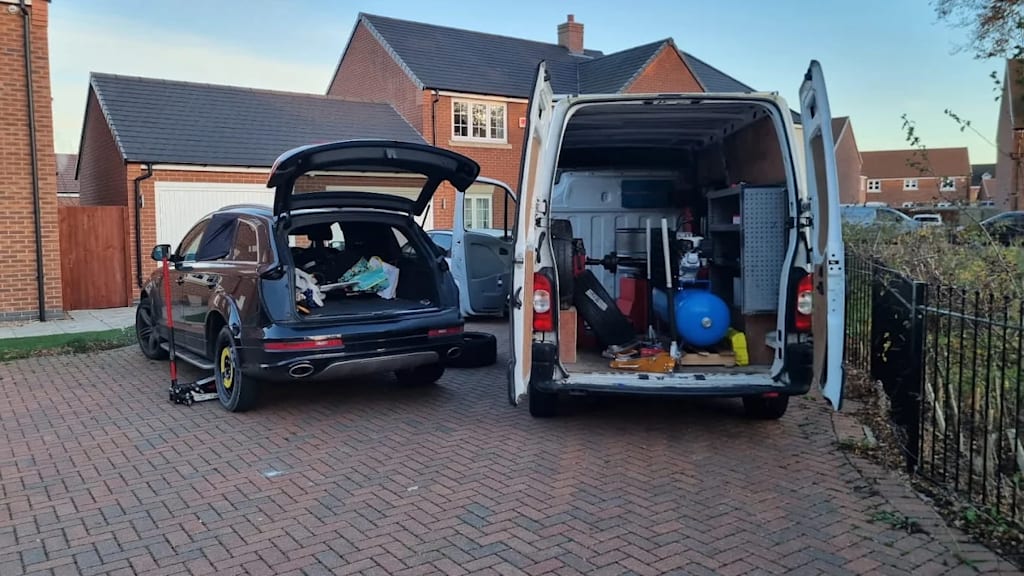
You don't need to wait for a garage appointment or take half a day off to deal with it. Mobile tyre fitting services like Tyremates come to you whether you're at home, at work, or at a safe roadside location and replace your tyres on the spot. Tyresmate provide mobile tyre fitting coventry and many more nearby areas like manchester leeds and more.
If you're in any doubt about the condition of your tyres, it's worth getting them checked before your next long journey rather than after something goes wrong.
About the Creator
Tyremates
TyreMates is a 24/7 mobile tyre repair and fitting service based in Coventry, UK. With just one call, our professional technicians come directly to your home, workplace, or roadside.
Enjoyed the story? Support the Creator.
Subscribe for free to receive all their stories in your feed.
Comments
There are no comments for this story
Be the first to respond and start the conversation.