
2018-2022 Ford Safety Recall Left Drivers Feeling Uneasy
For many drivers, a vehicle represents far more than transportation. It carries families to school, work, vacations, hospitals, and everyday moments that shape life quietly.

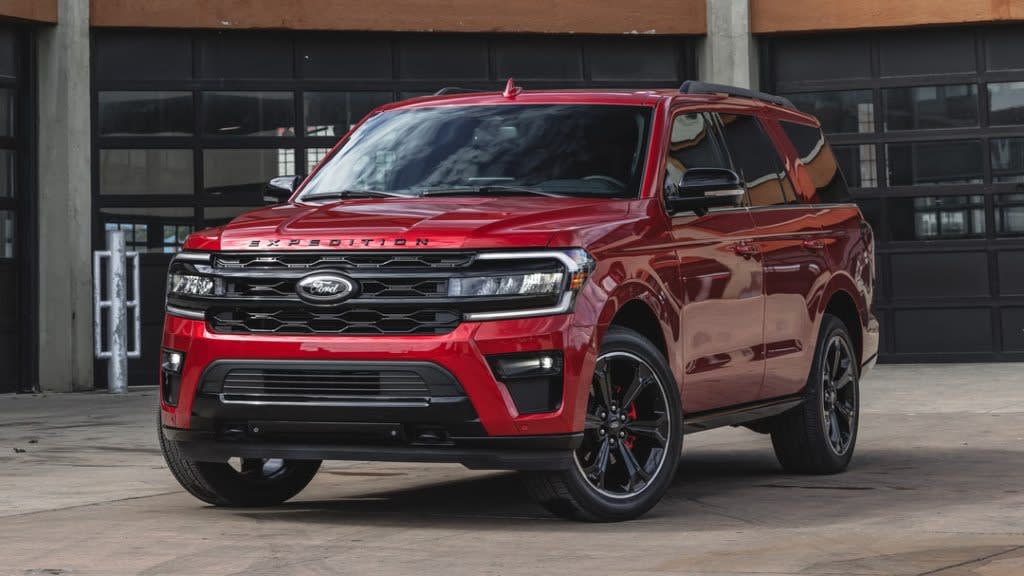
For many drivers, a vehicle represents far more than transportation. It carries families to school, work, vacations, hospitals, and everyday moments that shape life quietly. That emotional trust matters deeply. People expect their vehicles to protect them during uncertain moments on the road. When safety recalls appear, that trust can suddenly feel fragile.
The growing attention around the 2018-2022 ford safety recall reflects more than mechanical concern. It reflects anxiety, frustration, financial stress, and fear experienced by drivers who believed their vehicles were dependable. Some owners worried about accidents. Others struggled with repair delays or confusing dealership communication. Across online discussions, one emotional theme appeared repeatedly: uncertainty.
Why Vehicle Recalls Feel Personal
Most people understand recalls happen across the automotive industry.
Still, hearing that your own vehicle may contain a safety defect feels deeply personal.
Drivers build emotional relationships with their vehicles over time. Families depend on them daily. Parents trust them while transporting children. Workers rely on them to maintain jobs and routines.
A recall interrupts that sense of reliability.
Even if the issue never causes direct harm, the emotional effect can remain strong.
The phrase 2018-2022 ford safety recall gained public attention partly because many owners suddenly questioned whether their vehicles remained as safe as they originally believed.
Understanding How Safety Recalls Work
Safety recalls happen when manufacturers identify problems that could increase accident risks, fire hazards, mechanical failures, or other dangerous conditions.
Sometimes issues appear through customer complaints.
Other times manufacturers discover defects during internal testing or investigations.
Government agencies may also become involved if safety concerns affect large numbers of vehicles.Once a recall is announced, automakers typically provide repair solutions at no cost to owners.
But emotionally, the process is rarely simple.
Drivers often experience confusion first.
They wonder whether their specific vehicle is affected.
They worry about repair timelines.
Why Ford Recalls Receive Heavy Public Attention
Ford Motor Company remains one of the most recognized automotive brands in America.
Because millions of Ford vehicles operate on roads daily, any recall naturally attracts major public attention.
Large recalls also spread rapidly online.
News headlines, social media discussions, and driver forums intensify public concern quickly.
The 2018-2022 ford safety recall discussions became emotionally significant partly because affected vehicles were common family vehicles, trucks, and SUVs trusted by everyday drivers.
When familiar vehicles become associated with safety concerns, public anxiety grows naturally.
Common Reasons Vehicle Recalls Happen
Modern vehicles contain extremely complex systems.
Electronics, sensors, software, braking systems, airbags, steering components, fuel systems, and engine parts all interact constantly.
Even small defects can create serious risks under certain conditions.
Common recall causes include:
Electrical Problems
Electrical issues can create unpredictable safety concerns.
Drivers may experience dashboard failures, battery problems, lighting malfunctions, or even fire risks in severe cases.
Modern vehicles depend heavily on electronic communication systems, making electrical reliability extremely important.
Brake System Concerns
Brake-related recalls create especially strong emotional reactions because braking systems directly affect driver control and passenger safety.
Even the possibility of reduced braking performance can make owners feel unsafe driving daily.
Airbag Defects
Airbags exist specifically to protect people during collisions.
When airbag systems become associated with recalls, drivers often feel emotionally shaken because one of the vehicle’s most important safety protections suddenly feels uncertain.
Engine or Powertrain Issues
Engine-related recalls can involve stalling, overheating, or unexpected performance failures.
Drivers worry about losing control unexpectedly during traffic or highway travel.
How Recalls Affect Driver Confidence
Mechanical repairs alone do not immediately restore emotional confidence.
After learning about a recall, many drivers become hyperaware of every sound, vibration, or warning light.
Normal driving experiences suddenly feel stressful.
A small noise may trigger anxiety.
A delayed engine response may create fear even if unrelated to the recall issue.
This emotional tension explains why recalls affect more than vehicle mechanics.
They affect psychological trust.
The 2018-2022 ford safety recall discussions online reflected this emotional reality repeatedly.
Families Often Feel the Stress Most
Families with children often react strongly to vehicle recalls.
Parents think constantly about safety.
Even relatively small risks feel emotionally overwhelming when children are involved.
For example, a parent driving daily school routes may suddenly question whether their vehicle remains safe after hearing recall news.
These worries grow stronger when dealership appointments take weeks or replacement parts remain unavailable temporarily.
The emotional stress becomes part of daily life.
Social Media Intensifies Recall Anxiety
Modern recall news spreads differently than it did decades ago.
Today, social media amplifies fear rapidly.
Drivers share videos, photos, warning messages, and personal experiences across multiple platforms within hours.
Sometimes this information helps raise awareness responsibly.
Other times it increases confusion or panic unnecessarily.
One frightening story can spread widely even before full technical details become clear.
This emotional amplification played a major role in public reactions surrounding 2018-2022 ford safety recall discussions online.
Why Repair Delays Frustrate Drivers
One of the most emotionally difficult parts of recalls involves waiting.
Even when manufacturers announce repair programs quickly, dealerships may face parts shortages or scheduling delays.
Drivers then face uncomfortable decisions.
Should they continue driving normally?
Should they limit vehicle use?
Can they trust the vehicle temporarily?
This uncertainty creates emotional exhaustion.
People want immediate reassurance after hearing safety concerns, but real-world repairs often take time.
The Financial Stress Behind Recalls
Although recall repairs themselves are usually covered by manufacturers, financial stress still appears indirectly.
Some drivers miss work attending repair appointments.
Others arrange alternative transportation temporarily.
Ride-share costs, rental cars, or schedule disruptions create additional pressure.
For lower-income families especially, transportation problems can become emotionally overwhelming quickly.
A vehicle problem does not remain isolated.
It affects employment, childcare, medical appointments, and family responsibilities.
Why Drivers Often Feel Betrayed
Many vehicle owners describe feeling betrayed after major recalls.
This emotional reaction comes from broken expectations.
Drivers trust automakers to prioritize safety carefully before vehicles ever reach public roads.
When defects emerge later, some owners feel manufacturers failed that responsibility.
Even when recalls are handled responsibly afterward, the original emotional disappointment can remain strong.
Trust takes years to build but can weaken quickly after safety concerns appear publicly.
How Dealership Experiences Shape Public Reaction
Dealership interactions influence recall experiences heavily.
Clear communication helps reduce anxiety.
Confusing explanations increase frustration.
Drivers appreciate honesty during stressful situations.
They want realistic timelines and straightforward answers.
When dealerships appear dismissive or disorganized, emotional tension often worsens.
On the other hand, supportive staff can help drivers feel calmer and more informed throughout the repair process.
Why Some Drivers Ignore Recall Notices
Surprisingly, many recall notices never lead to immediate repairs.
Some drivers postpone appointments for months or years.
Several emotional reasons explain this behavior.
Some people underestimate risks.
Others remain too busy.
Some fear repair complications or distrust dealerships.
Financial and transportation challenges also delay action.
Unfortunately, ignoring recalls can increase long-term safety risks.
That is why awareness campaigns continue emphasizing the importance of responding quickly to safety notices.
Modern Vehicles Depend on Complex Technology
Cars today contain far more technology than older generations of vehicles.
Advanced driver assistance systems, touchscreen controls, sensors, cameras, and computer modules create greater convenience but also greater mechanical complexity.
This complexity increases the possibility of software-related or electronic issues requiring recalls.
Many drivers feel emotionally conflicted about this reality.
Technology improves comfort and safety in many ways, but it can also create new points of failure.
Why Recalls Create Public Reputation Problems
Public trust matters enormously in the automotive industry.
A recall involving millions of vehicles affects more than repairs.
It affects brand reputation emotionally.
Consumers remember safety concerns strongly.
Even drivers never directly affected by recalls may begin questioning reliability perceptions.
The Emotional Weight of Highway Driving
Driving already involves emotional vulnerability.
People travel at high speeds surrounded by strangers while depending on mechanical systems constantly.
Most drivers rarely think about this risk consciously.
But recall news suddenly forces people to think about it again.
That emotional awareness can increase driving anxiety significantly.
Why Truck and SUV Owners React Strongly
Ford trucks and SUVs often become deeply integrated into family life, work routines, and identity.
Some owners depend on trucks for construction jobs, towing, farming, or business operations.
SUV owners often transport families daily.
When recall concerns affect these vehicles, the emotional impact becomes larger because the vehicles play central roles in everyday responsibilities.
People do not simply lose transportation confidence.
They feel disruption in their routines and sense of stability.
Safety Investigations Often Continue Quietly
Many drivers only notice recalls once headlines appear publicly.
But investigations often continue quietly for long periods beforehand.
Manufacturers analyze reports, test components, and communicate with safety regulators before public announcements occur.
This process can feel frustrating for consumers who wonder why recalls did not happen sooner.
Still, identifying exact causes sometimes requires extensive investigation.
Modern vehicles are mechanically and electronically complex systems.
Online Forums Became Emotional Support Spaces
During major recalls, online forums often become emotional gathering places for worried drivers.
People compare symptoms.
Share dealership experiences.
Discuss repair timelines.
Offer reassurance.
Sometimes these communities help reduce isolation.
Drivers realize others share the same concerns and frustrations.
At other times, however, online discussions increase fear through rumors or worst-case speculation.
Why Reliability Matters Emotionally
Reliability is emotional as much as mechanical.
Drivers want predictability.
They want confidence that their vehicles will start each morning and protect passengers consistently.
That emotional trust becomes especially important during emergencies, storms, nighttime driving, or family travel.
Recalls disrupt that emotional security directly.
Even after repairs, some drivers continue questioning long-term reliability.
The Pressure Automakers Face Publicly
Large automakers operate under enormous public pressure during recall situations.
They must investigate technical problems, communicate clearly, coordinate dealerships, manage replacement parts, and maintain public trust simultaneously.
Every public statement receives scrutiny.
Drivers want reassurance.
Regulators want accountability.
Media outlets want updates.
Why Some Drivers Stay Loyal Despite Recalls
Interestingly, many vehicle owners remain loyal to brands even after recalls.
Emotional loyalty often develops through years of positive experiences.
A family that drove Ford vehicles safely for decades may continue trusting the brand despite temporary concerns.
Human relationships with brands are emotional, not purely logical.
People often weigh personal experience more heavily than headlines alone.
The Emotional Difference Between Minor and Major Defects
Not all recalls create equal emotional reactions.
Minor software updates may cause little concern.
But defects involving steering, braking, fire risks, or airbags create stronger emotional responses because they relate directly to survival and physical safety.
Drivers imagine worst-case scenarios naturally.
That fear explains why some recalls dominate public attention more heavily than others.
Why Transparency Matters During Recalls
People tolerate problems more easily when communication feels honest.
Transparency matters enormously during recall situations.
Drivers appreciate detailed explanations about risks, repair timelines, and safety recommendations.
Silence or vague messaging increases public suspicion quickly.
The emotional relationship between manufacturers and consumers depends heavily on trust during uncertain situations.
How Recalls Shape Future Buying Decisions
Recall experiences often influence future vehicle purchases emotionally.
Some consumers avoid brands connected to stressful experiences.
Others focus more heavily on reliability research before buying again.
Many drivers become more aware of recall histories generally after experiencing one personally.
The emotional memory stays with them long after repairs are completed.
Conclusion
The public concern surrounding the 2018-2022 ford safety recall reflects more than technical problems inside vehicles.
It reflects emotional vulnerability connected to trust, safety, and daily life.
Drivers depend on their vehicles for work, family responsibilities, emergencies, and ordinary routines that quietly shape everyday stability.
When safety concerns emerge, people naturally feel anxious and uncertain.
While recalls remain an important part of protecting consumers and correcting mechanical problems, the emotional experience for drivers often extends far beyond repair appointments.
About the Creator
Muqadas khan
Hi! Welcome to my Vocal page. I’ll be sharing fresh articles every day covering stories, ideas, and a bit of inspiration to brighten your feed. Thanks for reading and supporting daily writing! 📖💫
Enjoyed the story? Support the Creator.
Subscribe for free to receive all their stories in your feed.
Comments
There are no comments for this story
Be the first to respond and start the conversation.