
10 Ways to Reduce Fuel Consumption during a fuel crisis
fuel saving tips

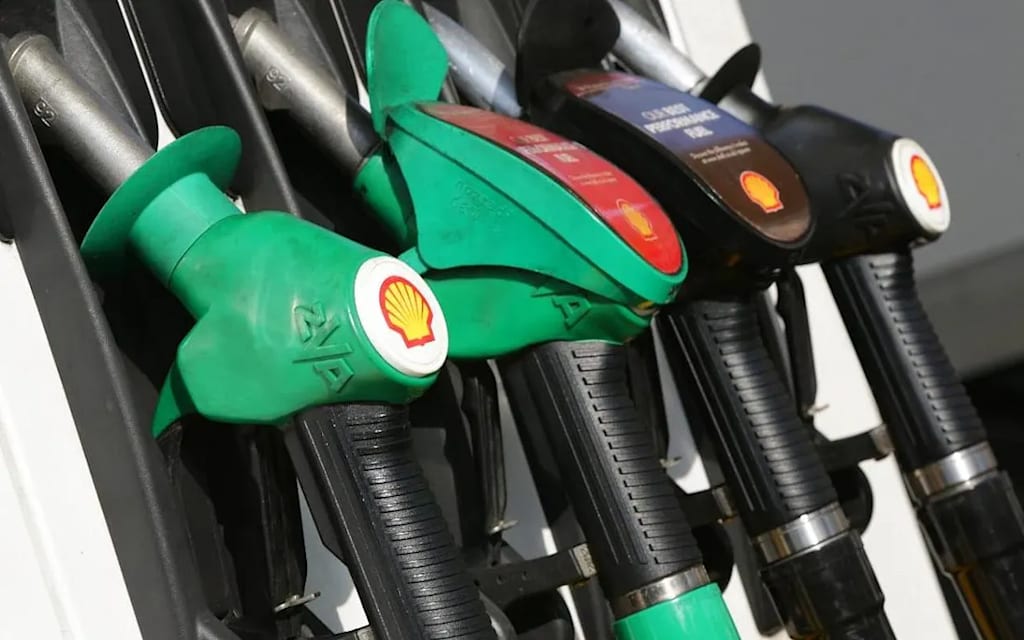
With fuel prices remaining volatile and the cost of living pressing on household budgets, getting the most out of every litre of petrol or diesel has never been more important. The good news is that you don’t need to buy a new car or drastically change your lifestyle to see meaningful savings. Small adjustments to how you drive and maintain your vehicle can add up to significant reductions in fuel consumption and lower bills at the pump.
Here are ten practical, proven ways to reduce fuel consumption.
1. Check Your Tyre Pressure Regularly
Underinflated tyres create more rolling resistance, which means your engine has to work harder and burn more fuel to keep the car moving. Studies have shown that properly inflated tyres can improve fuel economy by up to 3 percent .
Check your tyre pressure at least once a month, and always before long trips. Use the pressures recommended in your vehicle’s owner’s manual or on the placard inside the driver’s door frame. Do not rely on the maximum pressure printed on the tyre sidewall; that is not the recommended pressure for your specific vehicle.
Also, remember that tyre pressure drops in cold weather approximately one pound per 10 degrees Fahrenheit so you may need to add air more frequently during winter months .
2. Drive Smoothly, Not Aggressively
Rapid acceleration, hard braking, and aggressive lane changes are among the fastest ways to waste fuel. Every time you stomp on the accelerator, you are forcing the engine to work harder than necessary. Every time you brake hard, you are converting the energy you just paid for into heat and brake dust.
Instead, anticipate traffic flow. Look ahead, not just at the car directly in front of you. Accelerate gently, maintain a steady speed, and brake smoothly. This “gentle driving” style is not only safer but can improve fuel economy by 10 to 40 percent in city driving conditions .
3. Reduce Idling
Press enter or click to view image in full size
An idling engine gets zero kilometres per litre. Yet many drivers routinely leave their engines running while waiting for passengers, picking up takeaway, or sitting in drive-through lanes.
If you expect to be stopped for more than 30 seconds, turn off the engine. Restarting uses less fuel than idling for extended periods. Modern engines do not need to “warm up” by idling; driving gently is the most efficient way to bring the engine to operating temperature .
4. Remove Excess Weight
Carrying unnecessary weight in your vehicle reduces fuel economy. An extra 50 kilograms can increase fuel consumption by 1 to 2 percent. While that may not sound like much, it adds up over time.
Clear out the boot. Remove roof racks when not in use. Take out heavy tools, sports equipment, or luggage that you do not need for your current trip. Every kilogram you remove is a kilogram your engine does not have to drag along .
5. Use Air Conditioning Wisely
Press enter or click to view image in full size
Air conditioning puts additional load on the engine, increasing fuel consumption. At low speeds, such as city driving, it is more efficient to open windows for ventilation. However, at highway speeds, open windows create aerodynamic drag that can be worse than using the air conditioner.
As a general rule: windows down in the city, air conditioning on the highway. And when you do use the air conditioner, set it to recirculate mode this cools already-cooled cabin air rather than constantly drawing in hot outside air .
6. Maintain Your Vehicle Regularly
A poorly maintained vehicle can consume significantly more fuel than a well-maintained one. Simple maintenance tasks pay for themselves quickly through improved fuel economy.
Change the oil on schedule with the recommended grade. Using the wrong viscosity can increase friction and reduce efficiency .
Replace air filters when they become clogged. A restricted air filter can reduce fuel economy by up to 10 percent .
Check spark plugs ; worn plugs can cause misfires and incomplete combustion, wasting fuel .
Keep your engine tuned according to the manufacturer’s schedule. A single malfunctioning component can reduce fuel economy by 4 percent or more .
7. Plan Your Trips
Combining multiple errands into one trip reduces the number of cold starts, which is when engines are least efficient. A warm engine operates more efficiently than a cold one, so running several errands in a single outing consumes less fuel than spreading them across multiple separate trips.
Use route planning apps to avoid traffic congestion and roadworks. Even a short detour to avoid stop-and-go traffic can save fuel. Consider ride-sharing or carpooling when possible .
8. Slow Down
Fuel consumption increases sharply at higher speeds. Most cars achieve optimal fuel economy between 50 and 80 km/h. Above this range, aerodynamic drag increases exponentially, and the engine works progressively harder to maintain speed.
Reducing your highway speed from 110 km/h to 90 km/h can improve fuel economy by 10 to 15 percent . The time saved by driving faster is often negligible compared to the extra fuel consumed.
Use cruise control on highways to maintain a steady speed, which is more efficient than the constant acceleration and deceleration of manual speed control .
9. Avoid Short Trips When Possible
Cold starts consume significantly more fuel than warm starts. In the first few minutes of driving, the engine runs rich (using extra fuel) until it reaches operating temperature. A five-minute trip that never fully warms the engine can consume twice as much fuel per kilometre as a longer trip.
When possible, combine short trips into longer ones, or consider walking, cycling, or public transport for very short distances. Your wallet and your health may benefit .
10. Use the Recommended Fuel Grade
Using a higher-octane fuel than your engine requires does not improve performance or fuel economy. It simply costs more. Consult your owner’s manual and use the grade recommended by the manufacturer.
Conversely, using a lower grade than recommended can cause engine knocking, reduced performance, and potentially damage none of which improves fuel economy .
Reducing fuel consumption does not require dramatic changes or expensive investments. It requires awareness, consistency, and a few simple habits. Check your tyre pressure. Drive smoothly. Remove excess weight. Maintain your vehicle. Plan your trips. Slow down.
Each of these actions alone may produce modest savings. Together, they can significantly reduce your fuel bills, extend the life of your vehicle, and lower your environmental impact. The fuel you save is not just money in your pocket it is also a small but meaningful contribution to reducing global demand for energy.
Start with one or two of these tips today. Add more as they become habit. Your wallet will thank you.
About the Creator
Mark Lim
Hi I am mark an automotive student and a car, tech and food enthusiast ! Im gonna try and post daily & hope you enjoy what I write and do share my page with people you know. I would gladly appreciate it! Cheers
Enjoyed the story? Support the Creator.
Subscribe for free to receive all their stories in your feed.
Comments
There are no comments for this story
Be the first to respond and start the conversation.