
Wat Phu Tok: Thailand’s Lonely Mountain and Its Cliff‑Hanging Temple
Seven Levels of Meditation and Adventure A Remote Sanctuary in Bueng Kan Staircases, Walkways, and Panoramic Views Over the Mekong

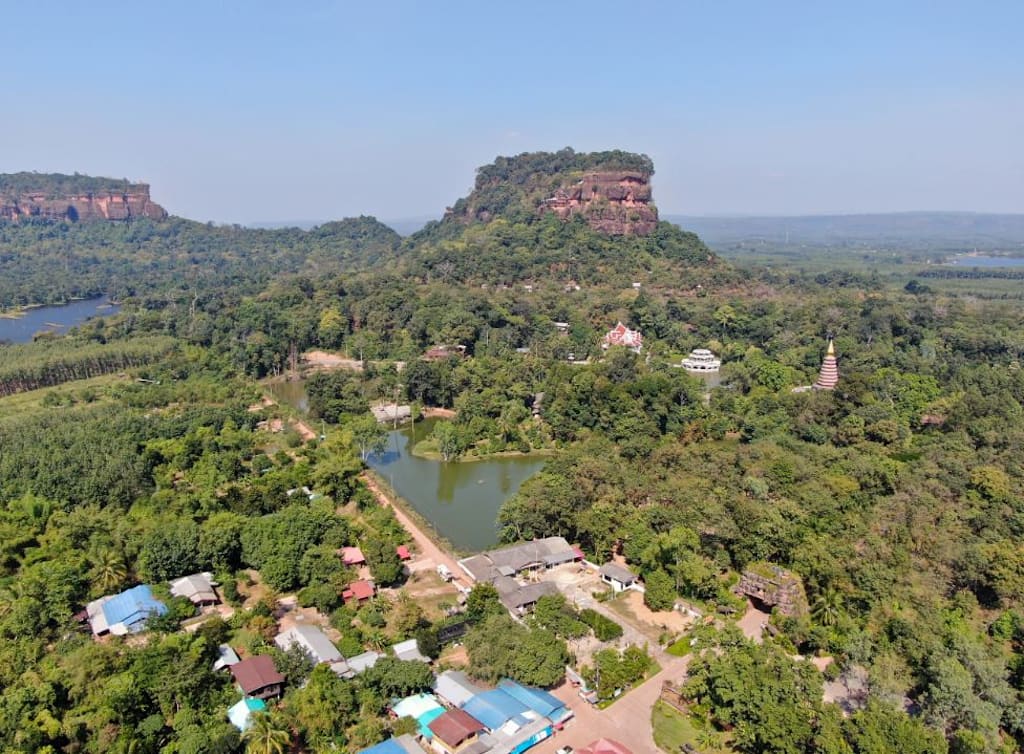
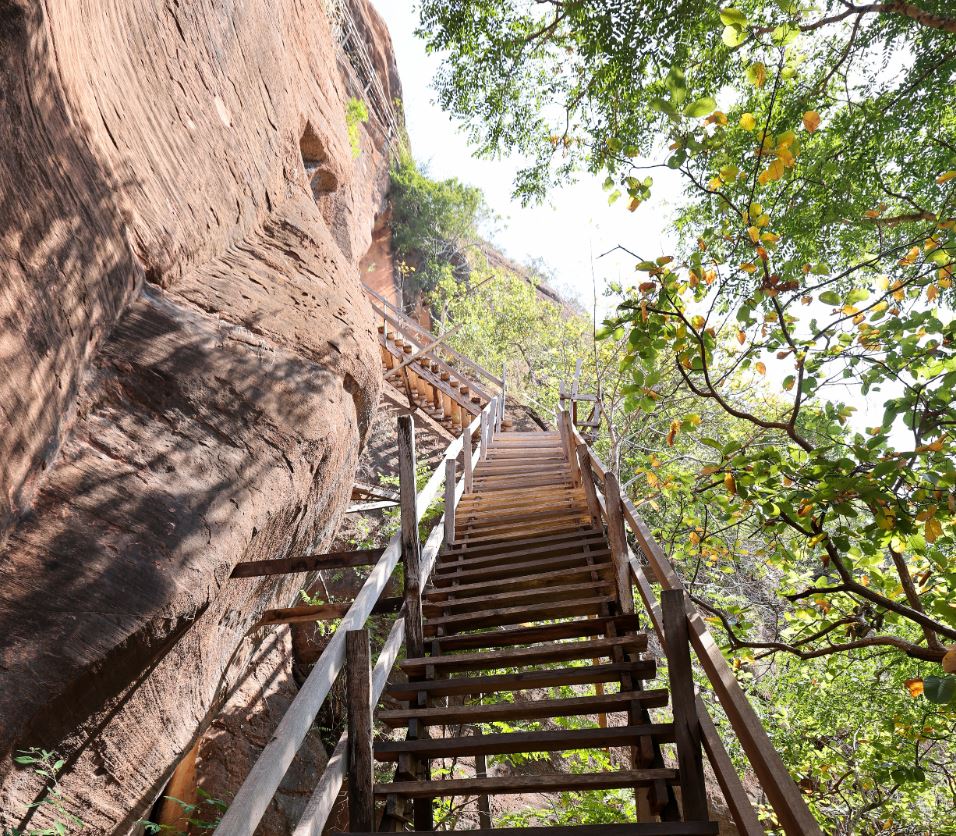
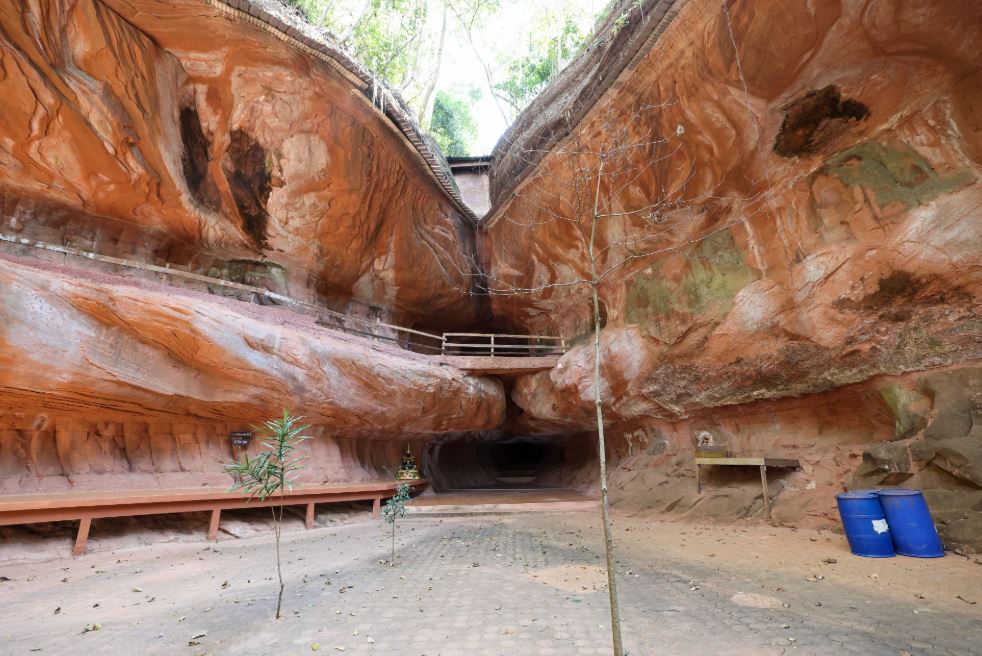
Deep in Thailand’s remote northeastern region of Isan, in the lesser‑visited province of Bueng Kan, rises a striking red sandstone formation known locally as Phu Tok, the Lonely Mountain. Perched upon its slopes is Wat Phu Tok, officially named Wat Jetiyakhiri, a Buddhist temple unlike any other in the country. Connected by a network of wooden staircases, ladders, and cliff‑edge walkways built across seven ascending levels, it is an equal place of spiritual retreat and physical adventure, a site where quiet contemplation meets vertiginous views and the thrill of climbing toward the sky.
Origins: Monk, Mountain, and Meditation
The mountain itself has long been a place of seclusion, its rugged terrain and isolation making it home to abundant wildlife, including venomous snakes, and offering a powerful setting for meditation. It was here that the revered monk Luang Pu Juan founded the temple, envisioning a sanctuary where physical ascent would mirror spiritual progress. He designed the mountain into seven distinct levels, each corresponding to a stage of Buddhist meditation and inner growth. Gradually, with the help of fellow monks and supporters, he built the wooden paths, stairways, and bridges that connect shrines, halls, and quiet retreat spaces across the rock face. Though Luang Pu Juan tragically died in an aeroplane accident, his work endures, maintained as a living testament to vision and devotion.
The Climb: Levels One Through Five
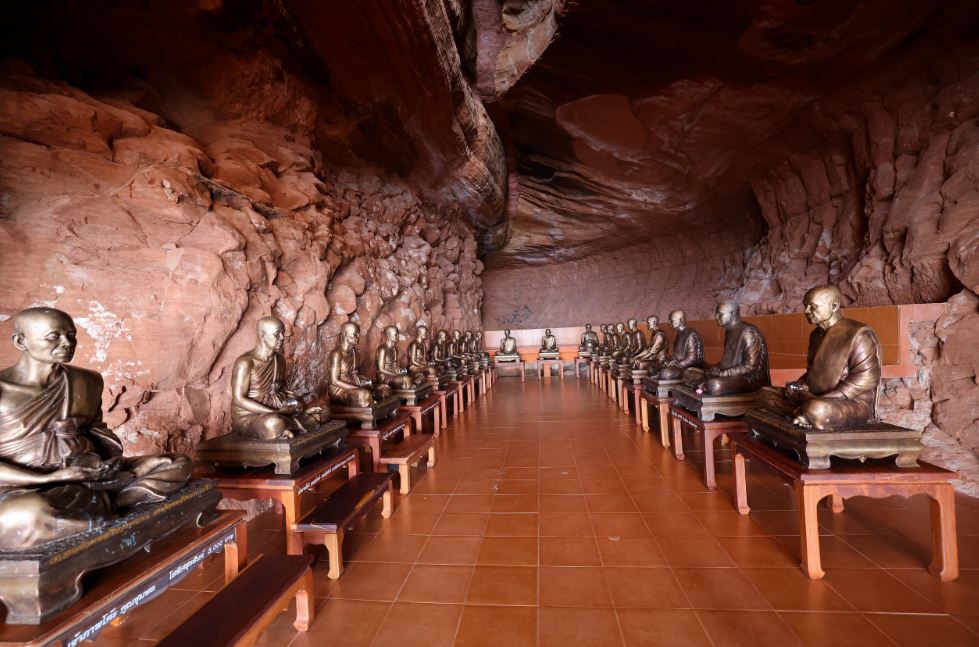
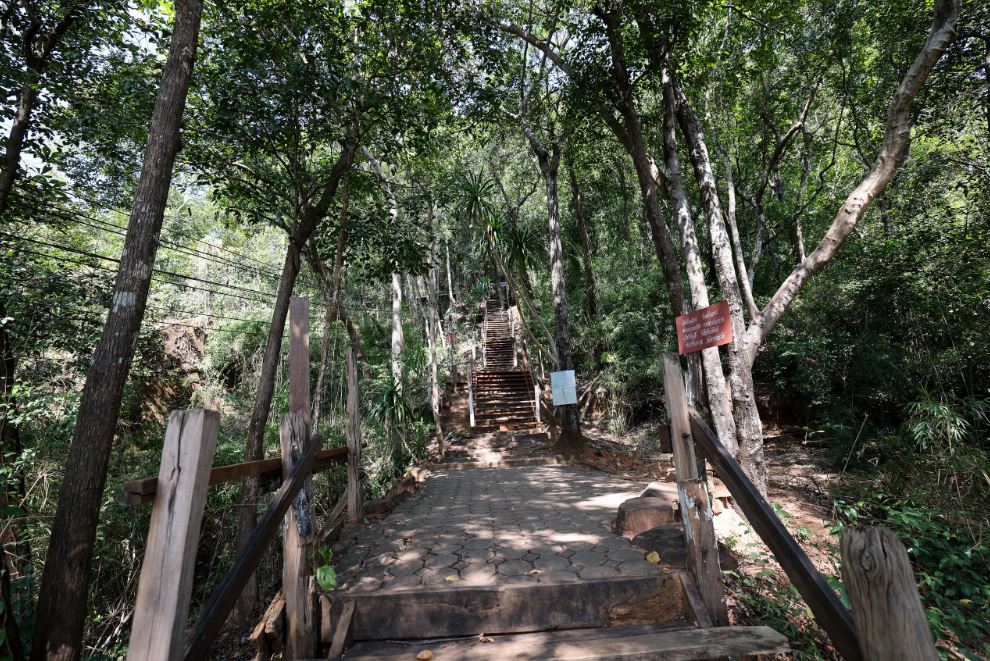
The journey begins at the base, where a large temple complex, lake, and park welcome visitors. From there, the trail leads upward, quickly transitioning into wooden plank staircases that grow progressively steeper. At first, the steps are gentle, but as elevation increases, they become narrow and near‑vertical in places, sturdy and well‑maintained, yet distinctly exposed. The first few levels pass quickly, offering glimpses of small shrines and resting points, but the true rewards emerge higher up. By the fifth level, the mountain opens out: here stand the main ordination hall and several temples, with broad, grounded paths that circle the peak. It is a place to pause, explore, and prepare for the most dramatic stretch ahead.
Level Six: The Highlight and the Heart‑Stopper
Visitors and locals alike speak of the sixth level with a mix of awe and nerves. Approximately half the circumference consists of wooden walkways anchored directly into the sheer cliff face, suspended high above the treetops. The planks feel solid underfoot, and the structure is carefully tended, but the drop is unmistakable, and the view is breathtaking. From this vantage point, the green expanse of the Mekong River basin unfolds below, stretching toward the horizon under wide skies. The breeze carries the quiet of the mountain, and the panorama in every direction is spectacular. It is here, most agree, that the true character of Wat Phu Tok reveals itself: daring, unforgettable, and deeply beautiful.
A short detour from the main trail leads to a smaller rock temple perched on a spur, reached by an elevated walkway and slender bridge, a quiet, windswept space that feels almost floating in the open air. It is one of the site’s most photographed and cherished spots.
Level Seven: The Summit and the Edge
Above the sixth lies the seventh and final level, the true summit of Phu Tok. It carries a quiet warning: venomous snakes are known to inhabit the peak, and visitors proceed at their own risk. There are no walkways or buildings here, only the raw, open mountaintop and sweeping views that extend even farther than those below. Most travellers find that the sixth level offers the richest experience, but reaching the top, brief, unadorned, and unprotected, brings a sense of having truly touched the mountain’s highest point.
Visiting: Practical Guidance and Preparation
The drive from Bueng Kan city takes roughly 30 minutes. The full circuit up and down, with time to stop and absorb the scenery, typically takes about two hours. As a place of worship as well as a landmark, modest clothing covering shoulders and knees is appreciated. Sturdy footwear is strongly recommended, as the stairways can be uneven and the climb demanding. There is ample parking at the base, and taxis or tuk‑tuks can be arranged from town. Most importantly: stay alert, watch your step, and respect the mountain’s power; it rewards care and attention with wonder.
A Place Apart
Wat Phu Tok is often compared to Sigiriya in Sri Lanka, a solitary rock rising from the plains, carrying history and spirit high above the landscape. But it has a character all its own: quieter, less visited, built of wood and faith rather than ancient stone. It is a place where the climb itself becomes a lesson in balance, in presence, and in seeing the world from a higher place. Whether you come for the adventure, the views, or the peace, the Lonely Mountain welcomes you, and you will carry a piece of it with you when you descend.
About the Creator
Mark Lim
Hi I am mark an automotive student and a car, tech and food enthusiast ! Im gonna try and post daily & hope you enjoy what I write and do share my page with people you know. I would gladly appreciate it! Cheers
Enjoyed the story? Support the Creator.
Subscribe for free to receive all their stories in your feed.
Comments
There are no comments for this story
Be the first to respond and start the conversation.