

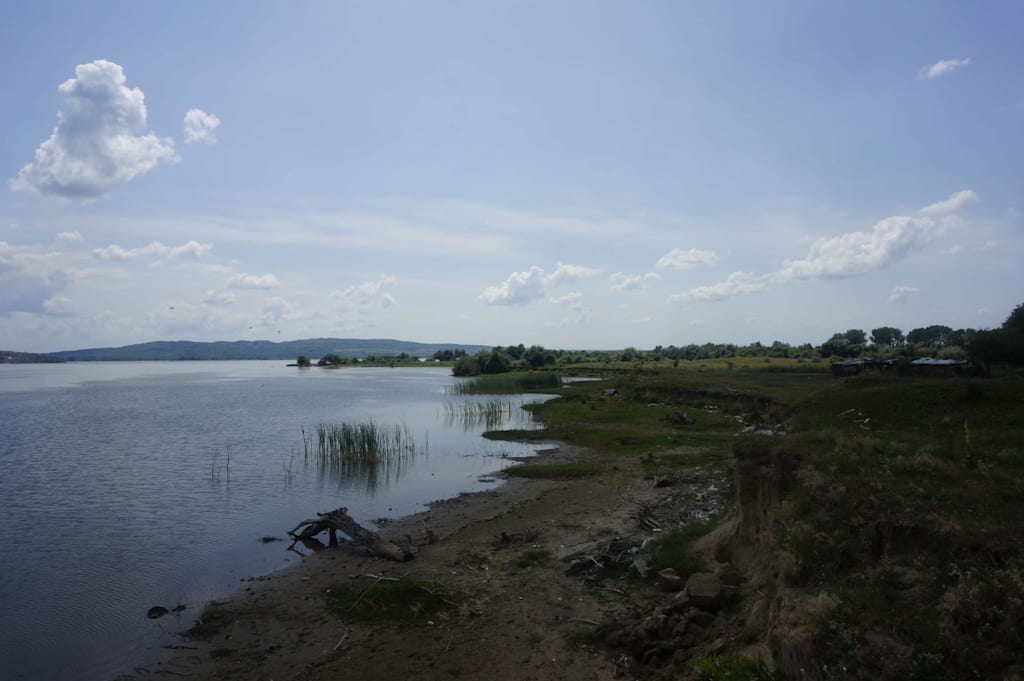
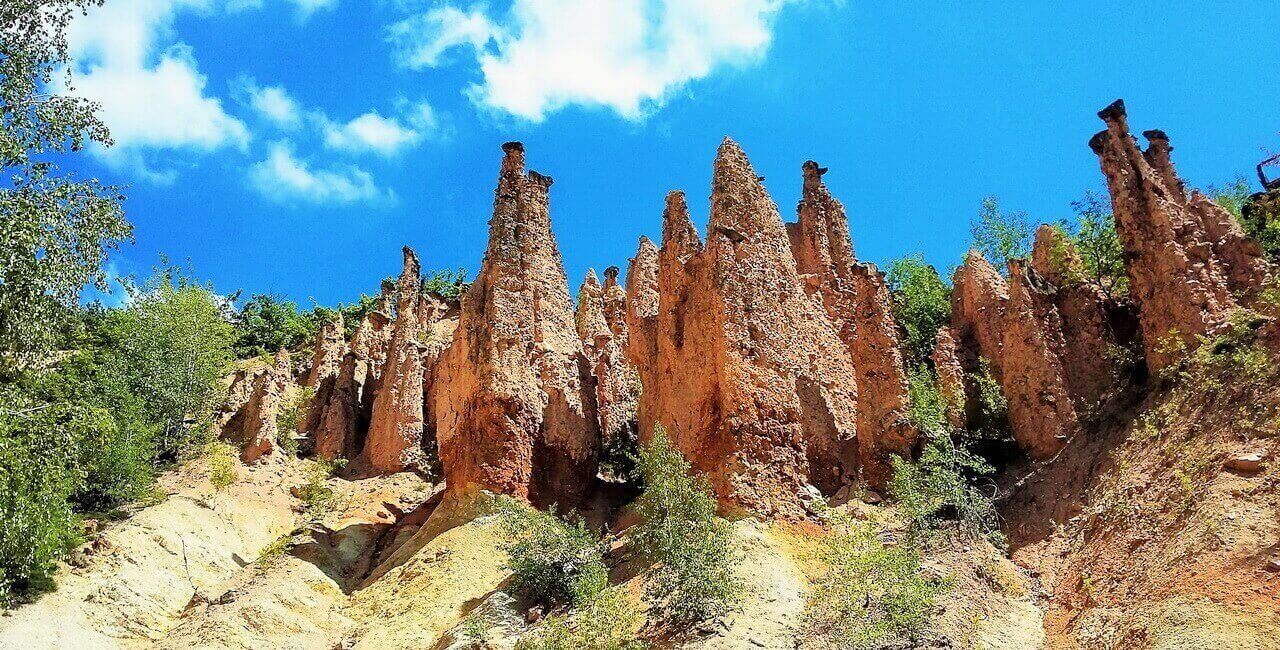
Visitors shouldn’t be scared by the name, which translates to “Devil’s Town." Located in the Toplica area on the disputed Kosovo border, Davolja Varos is a collection of more than 200 unusual rock formations. Although the structures are commonly referred to as "towers," it is actually not easy to describe them in one word. There are legends in the area, including those about people foolish enough to betray a witch and others about people who were coerced by the devil into taking action. Either way, the beauty makes the trip worthwhile.
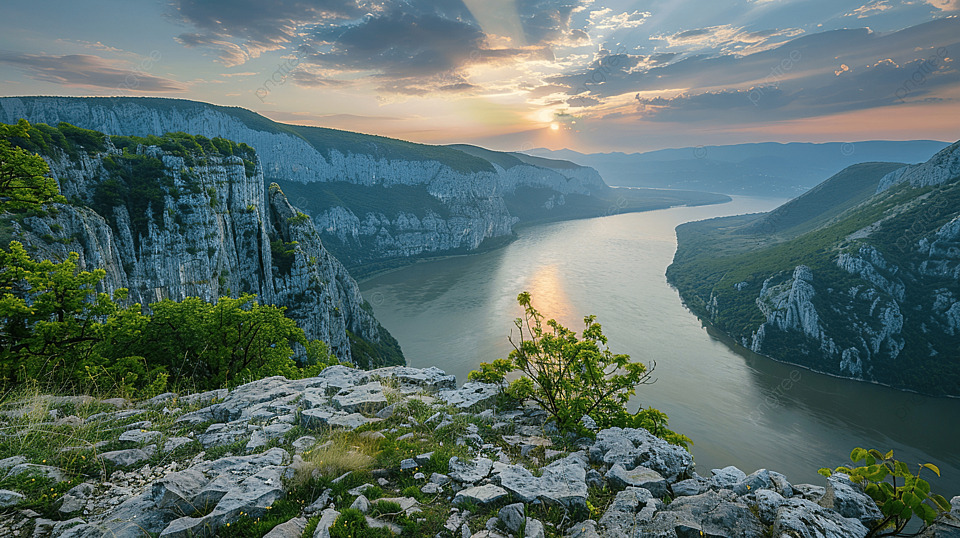
If all borders were made by gods, the Danube Gorge at Derjab, also known as the Iron Gate, would resemble a boundary. The Danube Gorge in Serbia, known as the Đerdap Gorge, is a stunning natural feature along the Danube River. The gorge is actually a river made up of three gorges; therefore, its name is not quite correct. Here, as far as the eye can see, the water is surrounded by caverns and sheer walls. It is the largest gorge in Europe, forming a natural boundary between Serbia and Romania.
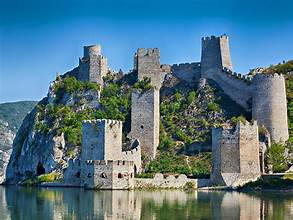
Visit the medieval Golubac Fortress. Golubac Fortress is a significant historical site in Serbia, located on the banks of the Danube River. It features impressive stone towers and a well-preserved octagonal tower built by the Ottoman Turks.
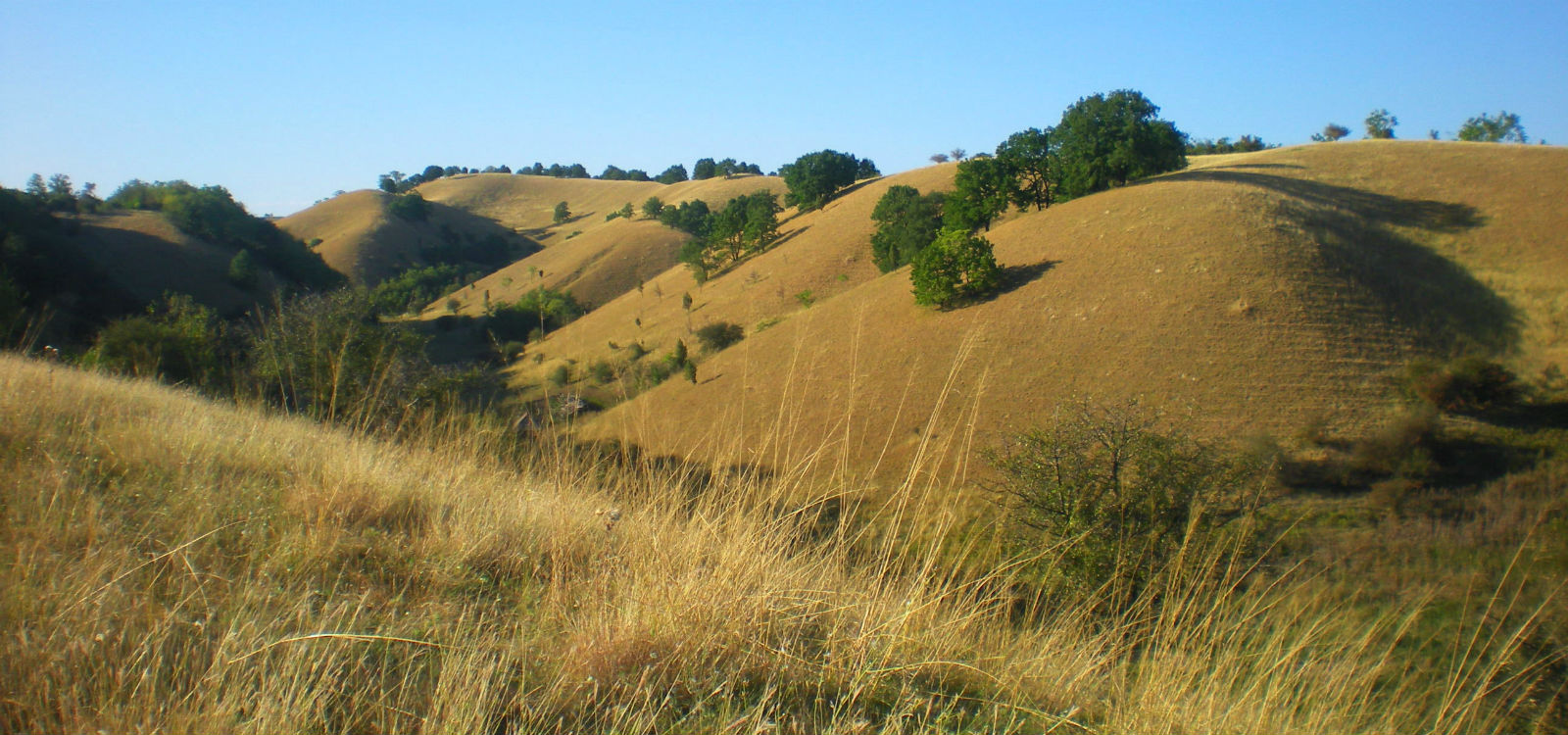
Serbia is home to the largest desert in continental Europe. The Deliblato Sands can be found in the northwest of the country, about halfway between Pančevo and Vršac. The desert has been here for almost 12,000 years. This is the only place in Serbia where you can enjoy Banat peonies and fern leaf peonies, the Pančić wormwood, and as many as twenty varieties of orchids. The fauna of Deliblato Sands is highly diverse. A rare insect species called the antlion is of particular interest. Steppe birds that nestle in these sands include the Banat falcon and the imperial eagle, while local mammalian species include the steppe gerbil, spermophilus, the lesser mole-rat, the steppe skunk, boar, roe deer, red deer, and fox.
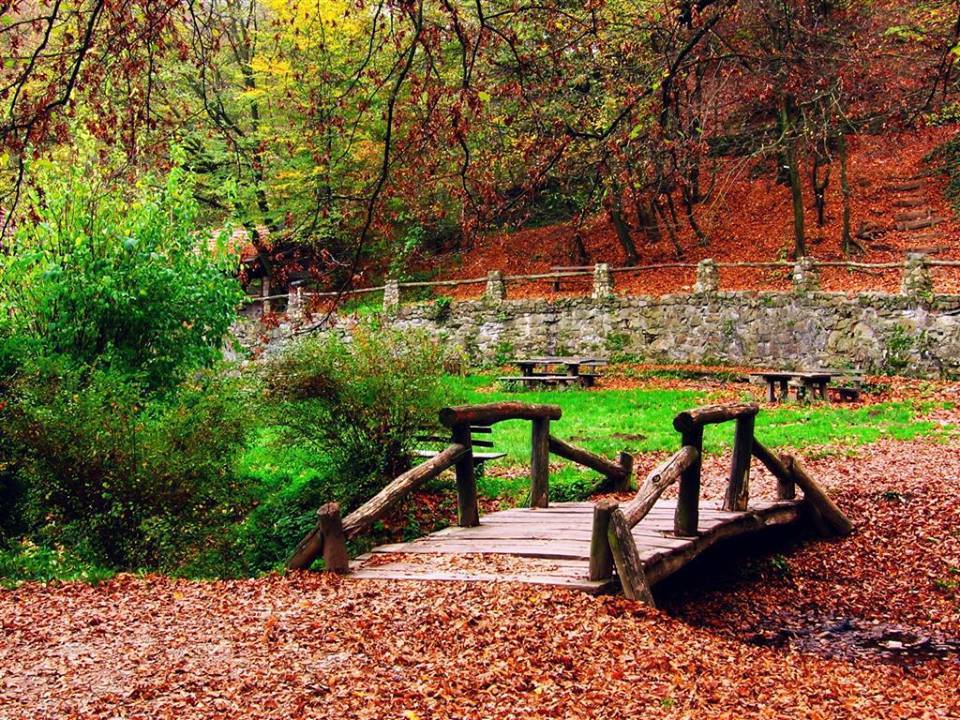
Fruška Gora is a mountain that rises above the flat plains of Vojvodina. It is situated in Fruška Gora National Park, which is home to the largest concentration of linden trees in Europe. The thick forest provides cover for the many monasteries built here. The park boasts over 1,500 plant species, including rare orchids and ancient oak forests. It is also a prime birdwatching destination, home to more than 200 bird species, such as imperial eagles and black storks. Visitors can enjoy various activities, including hiking, cycling, and exploring the numerous monasteries and vineyards scattered throughout the park.
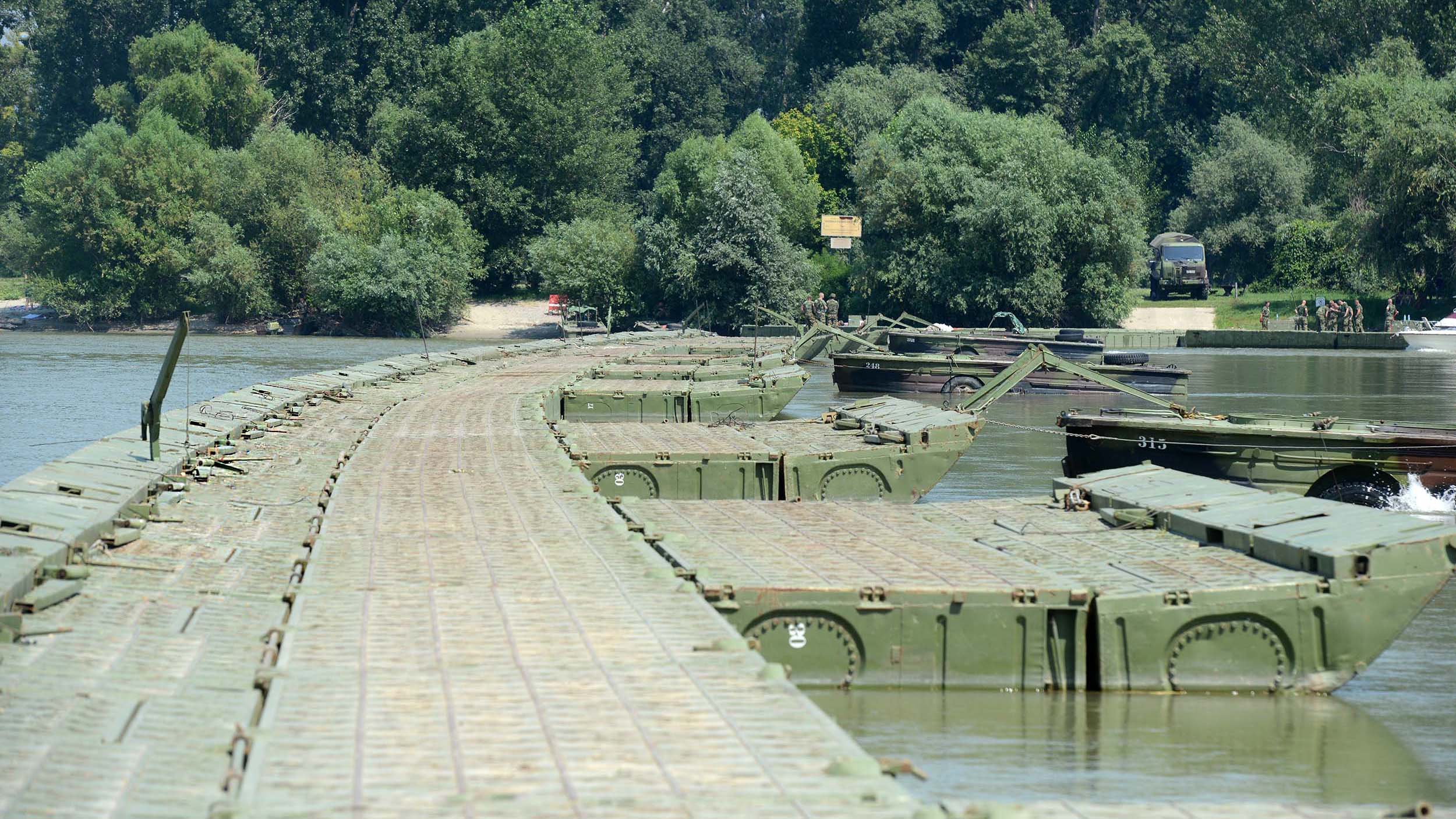
Great War Island in Belgrade is an essential component of daily life in the capital city and a form of escape since it it essentially deserted and uninhabited. The island is situated where the Danube and Sava Rivers meet, forcing the two water bodies to crash. Throughout the 20th century, it has resisted attempts to colonize and eradicate it and remains a peaceful island in a chaotic sea. It is often referred to as Belgrade's Amazonia due to its lush greenery and diverse wildlife, making it a popular destination for nature lovers.
Known as the “land of waters," Serbia has enough springs to awaken even the indifferent plumbing. The phrase "enchanting" is just right for Krupai Spring, which provides water magic with blue water cascading and is surrounded by verdant trees and birds flitting about. Visitors get a thrill seeing the water cascade over a dam into a lake.
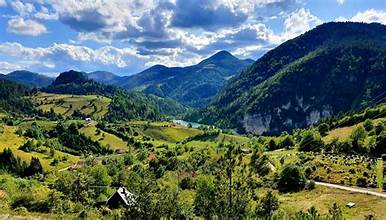
Tara may not be the highest mountain in Serbia, but it is the most beloved, located in the western part of the country in Tara National Park near the Bosnia and Herzegovina border. There are several lakes, monasteries, rivers, woods, and nature trails. Also home to dense forests, a variety of species, and amazing scenery.
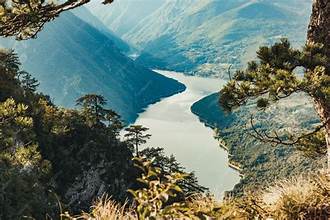
The Drina River borders the park, providing water recreation.
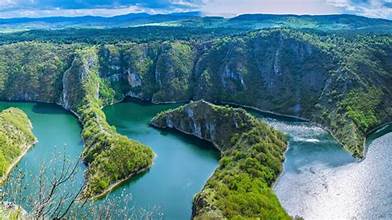
The Uvac Special Nature Reserve is renowned for its stunning, winding meanders sculpted by the Uvac River in the center of western Serbia. It is known for its dramatic, deeply cut riverbed and winding river curves. These meanders or river curves were created over millennia by limestone erosion.
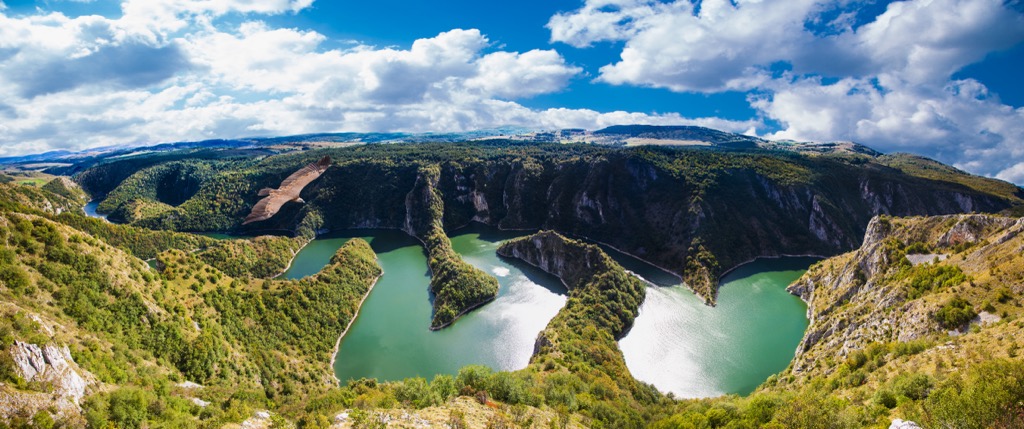
For breathtaking vistas, Ledeni Vrh Viewpoint offers amazing sights from Ledeni Vrh (ice peak).
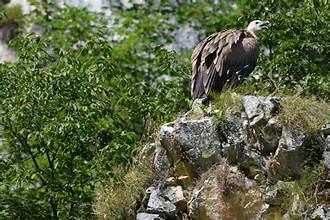
See magnificent griffon vultures flying overhead, which have been saved from extinction and found refuge in Uvac.
About the Creator
Rasma Raisters
My passions are writing and creating poetry. I write for several sites online and have four themed blogs on Wordpress. Please follow me on Twitter.
Enjoyed the story? Support the Creator.
Subscribe for free to receive all their stories in your feed. You could also become a paid subscriber, letting them know you appreciate their work.
Comments
There are no comments for this story
Be the first to respond and start the conversation.